
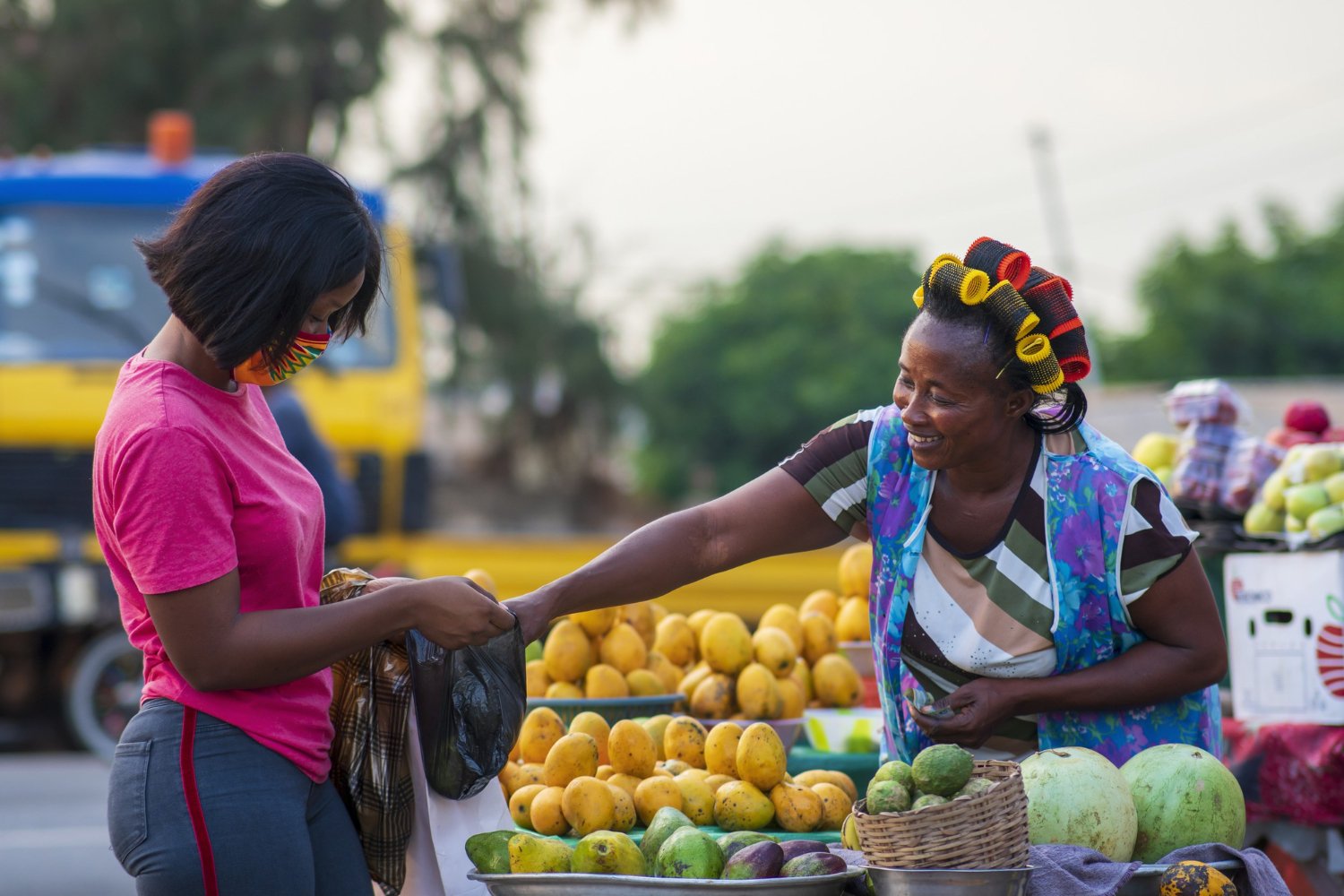
Top 10 Markets in Kenya
(adsbygoogle = window.adsbygoogle || []).push({});
Top 10 Markets in Kenya (New Market)
Kenya is home to some of East Africa’s most vibrant and diverse markets. From bustling urban hubs to colorful coastal bazaars, these markets are more than just places to shop, they are cultural experiences filled with history, food, fashion, and everyday life. Whether you’re a traveler, entrepreneur, or bargain hunter, exploring Kenya’s markets offers a unique glimpse into the country’s heartbeat.
Here are the Top 10 Markets in Kenya worth visiting:
(adsbygoogle = window.adsbygoogle || []).push({});
1. Maasai Market
This iconic open-air market is a must-visit for anyone looking to buy authentic Kenyan crafts. You’ll find handmade beadwork, jewelry, fabrics, and carvings. The market rotates locations within Nairobi, making it both dynamic and accessible.
2. Gikomba Market
Known as Kenya’s largest second-hand clothing market, Gikomba is where affordability meets variety. Locals flock here for “mitumba” (used clothes), shoes, and household goods at unbeatable prices.
3. City Market
Located in the heart of Nairobi, City Market blends modern retail with traditional vendors. It’s famous for fresh produce, meat, flowers, and souvenirs, making it popular with both locals and tourists.
(adsbygoogle = window.adsbygoogle || []).push({});
4. Kongowea Market
One of the largest markets in coastal Kenya, Kongowea is a hub for fresh fruits, vegetables, and spices. Its lively atmosphere reflects the rich Swahili culture of Mombasa.
5. Toi Market
A paradise for bargain hunters, Toi Market is well-known for affordable clothing and shoes. If you’re skilled at negotiating, you’ll walk away with incredible deals.
6. Kariokor Market
This market specializes in locally made goods, especially handcrafted items like sandals, belts, and metalwork. It’s a great place to support Kenyan artisans.
(adsbygoogle = window.adsbygoogle || []).push({});
7. Marikiti Market
Situated in Mombasa’s Old Town, Marikiti Market is famous for fresh produce and seafood. The market comes alive early in the morning with traders and buyers.
8. Nakuru Market
A central trading hub in the Rift Valley, Nakuru Market offers a mix of food items, grains, clothing, and livestock products, serving both urban and rural communities.
9. Kisumu Market
Located near Lake Victoria, this market is known for fresh fish, especially tilapia and Nile perch. It also features vibrant stalls selling vegetables and traditional goods.
10. Wakulima Market
Also known as Nairobi’s main wholesale market, Wakulima is where traders buy produce in bulk. It’s a key distribution point for fruits and vegetables across the city.
Why Kenyan Markets Stand Out
Kenyan markets are not just about buying and selling, they are social and cultural centers. You’ll experience:
- Rich diversity: From Maasai crafts to Swahili spices
- Affordable prices: Especially for second-hand goods
- Authentic local life: Daily interactions, bargaining, and storytelling
- Fresh food access: Direct from farms to consumers
Tips for Visiting Markets in Kenya
- Go early for the freshest produce and best deals
- Learn to bargain respectfully, it’s part of the culture
- Keep your belongings secure in crowded areas
- Carry cash, as many vendors don’t accept digital payments
- Dress comfortably and be ready for busy environments
Final Thoughts
Exploring markets in Kenya is like stepping into a living museum of culture, commerce, and community. Whether you’re walking through the energetic lanes of Gikomba Market or admiring crafts at Maasai Market, each market offers a story worth discovering.
If you enjoy market culture, Kenya should definitely be on your list, it’s an experience that goes beyond shopping and stays with you long after you leave.
(adsbygoogle = window.adsbygoogle || []).push({});
Author

A content writer with a focus on marketing psychology, brand communication, and consumer behaviour across African markets.