
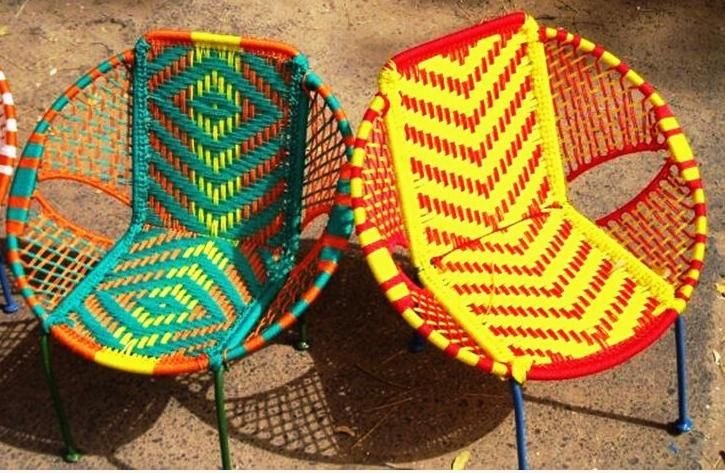
How African Furniture Design Is Evolving
(adsbygoogle = window.adsbygoogle || []).push({});
How African Furniture Makers Are Blending Tradition with Modern Design
Across Africa, a new generation of furniture makers is transforming the design landscape by combining traditional craftsmanship with contemporary aesthetics. Drawing inspiration from cultural heritage, indigenous materials, and centuries-old techniques, these artisans and designers are creating furniture that appeals to both local and international markets. The result is a vibrant fusion of tradition and innovation that reflects Africa’s evolving identity while preserving its rich cultural legacy.
The Legacy of African Craftsmanship
For centuries, African communities have developed unique woodworking and furniture-making traditions. From intricately carved stools in West Africa to handwoven furniture in East Africa, craftsmanship has long been a means of expressing cultural values, social status, and artistic creativity.
(adsbygoogle = window.adsbygoogle || []).push({});
Traditional furniture often featured locally sourced materials such as hardwoods, bamboo, rattan, leather, and natural fibers. Decorative carvings, symbolic patterns, and handcrafted finishes distinguished pieces and connected them to specific ethnic groups and regions.
Today, many furniture makers continue to draw from these traditions while adapting them to meet modern tastes and lifestyles.
Reimagining Traditional Designs
Modern African furniture designers are finding innovative ways to reinterpret cultural symbols and traditional forms. Instead of replicating historical designs, they incorporate subtle references to heritage within contemporary furniture pieces.
(adsbygoogle = window.adsbygoogle || []).push({});
Geometric patterns inspired by traditional textiles, carvings influenced by tribal art, and shapes borrowed from ceremonial objects are being integrated into sleek dining tables, minimalist chairs, and modern storage solutions.
This approach allows designers to celebrate African identity while producing furniture that fits seamlessly into contemporary homes, offices, hotels, and public spaces.
Using Indigenous Materials Sustainably
One of the defining features of African furniture design is the use of locally available materials. Designers are increasingly embracing sustainability by sourcing responsibly harvested wood, recycled materials, natural fibers, and eco-friendly finishes.
(adsbygoogle = window.adsbygoogle || []).push({});
Materials such as iroko, mahogany, teak, raffia, cane, bamboo, and reclaimed timber are commonly used to create durable and visually distinctive furniture.
By utilizing local resources, furniture makers not only reduce environmental impact but also support local supply chains and create economic opportunities within their communities.
The Rise of Contemporary African Design Studios
Across cities such as Lagos, Nairobi, Accra, Cape Town, and Kigali, contemporary furniture design studios are gaining recognition for their innovative work. These businesses blend traditional craftsmanship with modern production methods to create products that compete on the global stage.
Many studios collaborate directly with local artisans, ensuring that traditional skills remain relevant in a rapidly changing economy. By combining handcrafting techniques with modern tools and design software, they achieve both quality and scalability.
This collaboration bridges generations, allowing experienced craftsmen to pass on valuable knowledge while embracing new design trends.
Global Demand for African-Inspired Furniture
International interest in African design has grown significantly in recent years. Consumers increasingly seek furniture that tells a story, reflects authenticity, and supports ethical production practices.
African furniture makers are responding by showcasing their work at international design exhibitions, online marketplaces, and global trade fairs. Their creations often stand out for their distinctive blend of cultural heritage, functionality, and artistic expression.
As a result, African-designed furniture is finding its way into luxury homes, boutique hotels, corporate offices, and design-conscious spaces around the world.
Technology Supporting Traditional Craft
Technology is playing an important role in expanding opportunities for furniture makers. Digital design tools allow creators to experiment with new concepts while maintaining traditional influences. Social media platforms enable artisans to reach customers beyond their local communities, and e-commerce platforms make it easier to sell products internationally.
Online marketing has also helped educate consumers about the stories behind individual pieces, increasing appreciation for the craftsmanship and cultural significance embedded in African furniture design.
Challenges Facing the Industry
Despite its growth, the African furniture industry faces several challenges. Limited access to financing, high production costs, inadequate infrastructure, and competition from imported furniture can hinder expansion.
Additionally, some traditional skills risk disappearing as younger generations pursue different career paths. Preserving these techniques requires investment in vocational training, apprenticeship programs, and design education.
Industry stakeholders, governments, and private organizations can help by supporting local manufacturers, promoting sustainable forestry practices, and encouraging innovation within the sector.
The Future of African Furniture Design
The future of African furniture design looks exceptionally promising. As consumers increasingly value sustainability, authenticity, and cultural storytelling, African furniture makers are uniquely positioned to meet these demands.
By blending traditional craftsmanship with contemporary design principles, they are creating products that honor the past while embracing the future. Their work demonstrates that cultural heritage and modern innovation can coexist, producing furniture that is not only functional but also meaningful and inspiring.
Conclusion
African furniture makers are redefining design by skillfully combining tradition with modernity. Through the use of indigenous materials, cultural influences, sustainable practices, and innovative techniques, they are creating furniture that resonates with a global audience while preserving local heritage. As the industry continues to grow, these designers and artisans are proving that Africa’s rich artistic traditions remain a powerful source of inspiration for contemporary design.
(adsbygoogle = window.adsbygoogle || []).push({});
Author

A content writer with a focus on marketing psychology, brand communication, and consumer behaviour across African markets.