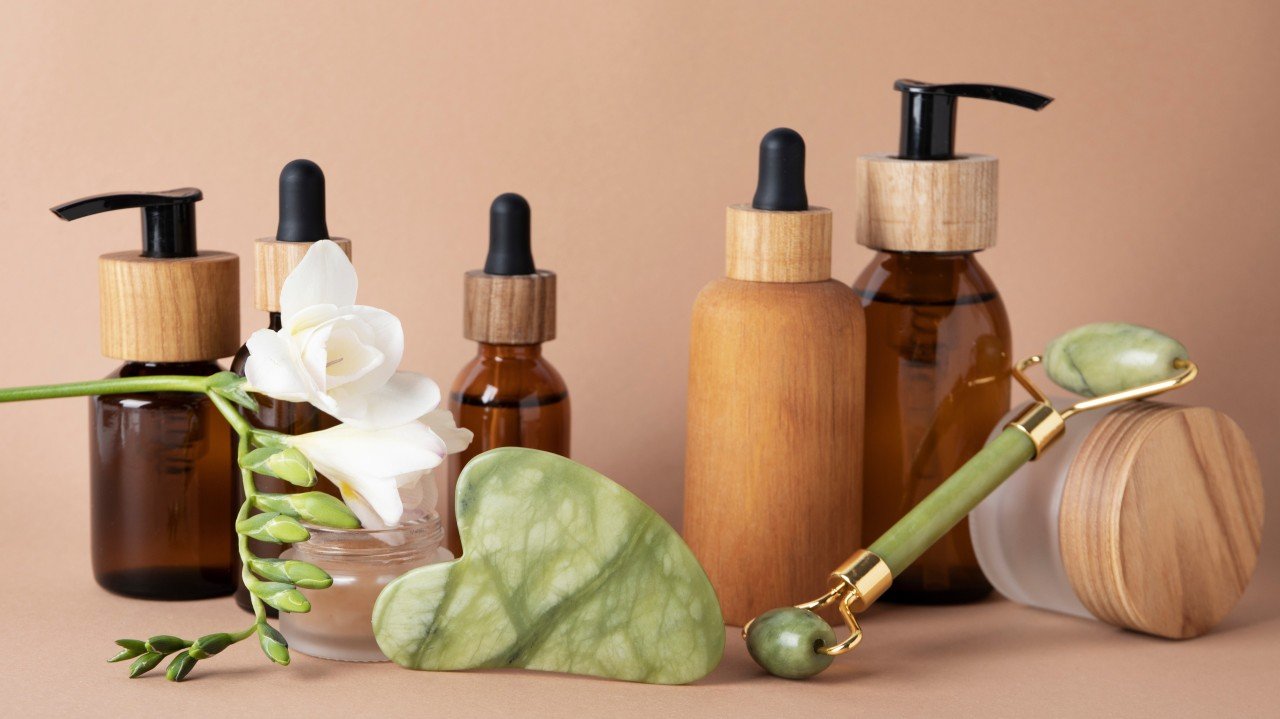
Beauty Products Made from Indigenous African Ingredients
(adsbygoogle = window.adsbygoogle || []).push({});
Africa is home to some of the world’s most powerful natural beauty ingredients.
For centuries, communities across the continent have relied on locally sourced plants, seeds, nuts, and minerals to care for their skin and hair. Today, these traditional ingredients are no longer hidden secrets. Instead, they have become essential components in beauty products sold around the world.
As consumers increasingly seek natural, sustainable, and effective skincare solutions, indigenous African ingredients continue to gain recognition. Moreover, many of these ingredients offer impressive nutritional benefits while supporting local farmers and businesses. Consequently, they represent more than beauty, they reflect culture, sustainability, and economic opportunity.
(adsbygoogle = window.adsbygoogle || []).push({});
Why Indigenous African Ingredients Are Gaining Popularity
Modern consumers are becoming more conscious of what they apply to their skin. Therefore, they often choose products made with plant-based ingredients instead of harsh chemicals. African botanicals meet this demand because they contain vitamins, antioxidants, and essential fatty acids that nourish the skin naturally.
Furthermore, many indigenous ingredients come from renewable sources and support environmentally responsible harvesting practices. As a result, beauty brands are increasingly partnering with African communities to source these valuable raw materials ethically.
Shea Butter: Africa’s Most Famous Beauty Gift
Shea butter remains one of Africa’s best-known beauty ingredients. It comes from the nuts of the shea tree, which grows across West Africa, particularly in countries such as Ghana, Nigeria, Burkina Faso, and Mali.
(adsbygoogle = window.adsbygoogle || []).push({});
Rich in vitamins A, E, and F, shea butter deeply moisturizes the skin while helping improve elasticity. In addition, it soothes dry skin, reduces irritation, and protects against harsh weather conditions.
Many skincare products use shea butter in:
- Body lotions
- Face creams
- Lip balms
- Hair conditioners
- Hand creams
- Baby skincare products
Because of its gentle nature, people with sensitive skin often find shea butter especially beneficial.
(adsbygoogle = window.adsbygoogle || []).push({});
Baobab Oil: The Tree of Life in a Bottle
The baobab tree has earned the nickname “The Tree of Life” because it provides food, water storage, and medicinal value for many African communities. Its seeds produce baobab oil, which has become increasingly popular in premium skincare.
Baobab oil contains high levels of omega fatty acids, antioxidants, and vitamin C. Consequently, it hydrates dry skin, improves elasticity, and helps reduce the appearance of fine lines.
Additionally, many haircare products include baobab oil because it strengthens dry, damaged hair while adding softness and shine.
Marula Oil: Luxury Skincare from Southern Africa
Marula oil originates from the marula fruit, which grows throughout Southern Africa. Traditionally, local communities have used the oil to protect their skin from the region’s dry climate.
Today, luxury beauty brands value marula oil because it absorbs quickly without leaving a greasy feel. Moreover, it contains antioxidants and healthy fatty acids that nourish mature and sensitive skin.
Its benefits include:
- Long-lasting hydration
- Improved skin softness
- Reduced dryness
- Support for the skin’s natural barrier
- Smooth makeup application
As demand continues to grow, marula oil has become one of Africa’s most successful beauty exports.
African Black Soap: A Traditional Cleanser with Modern Appeal
African black soap has been used for generations, particularly in West Africa. Skilled artisans traditionally make it using roasted plantain skins, cocoa pods, palm kernel oil, and shea butter.
Unlike many commercial soaps, authentic African black soap gently cleanses without stripping the skin’s natural oils. Therefore, many people use it to help manage oily skin, acne, and uneven skin tone.
Additionally, it serves multiple purposes, including facial cleansing, body washing, and scalp care.
Mongongo Oil: A Hidden Treasure
Although less widely known, mongongo oil offers exceptional moisturizing properties. It comes from the mongongo tree found in countries such as Namibia, Botswana, Zambia, and Angola.
For generations, local communities have used this oil to protect their skin and hair from intense sunlight and dry conditions. Furthermore, it contains vitamin E and essential fatty acids that help maintain healthy skin.
Today, many natural haircare brands include mongongo oil in shampoos, conditioners, and leave-in treatments.
Rooibos: More Than Just Tea
Most people recognize rooibos as a herbal tea from South Africa. However, it also serves as an outstanding skincare ingredient.
Rooibos contains powerful antioxidants that help protect the skin from environmental stress. In addition, it may help calm redness and support healthy-looking skin.
As a result, beauty companies often include rooibos extracts in:
- Facial cleansers
- Toners
- Serums
- Anti-aging creams
- Face masks
Kalahari Melon Seed Oil: Lightweight Yet Powerful
Native to the Kalahari Desert, the Kalahari melon produces seeds rich in nourishing oil. Despite its lightweight texture, this oil provides deep hydration without clogging pores.
Consequently, it works well for oily, combination, and acne-prone skin. Furthermore, it helps strengthen the skin barrier while maintaining moisture balance.
Its growing popularity demonstrates how traditional African knowledge continues to influence modern skincare.
Aloe Vera: A Familiar African Healing Plant
Although aloe vera grows in many parts of the world, numerous African regions have cultivated and used it for centuries. The gel inside its leaves helps soothe burns, hydrate skin, and reduce irritation.
Today, aloe vera remains one of the most versatile ingredients in skincare. Moreover, it appears in moisturizers, sunscreens, after-sun lotions, facial masks, and hair products.
Its gentle nature makes it suitable for nearly every skin type.
The Economic Impact of Indigenous Beauty Ingredients
The success of African beauty ingredients extends beyond skincare. It also creates employment opportunities for farmers, processors, cooperatives, and exporters across the continent.
For example, thousands of women participate in shea butter production throughout West Africa. Likewise, communities involved in harvesting baobab fruits and marula nuts earn valuable income while preserving traditional knowledge.
Furthermore, ethical sourcing initiatives encourage sustainable harvesting practices, helping protect both local ecosystems and rural livelihoods.
Sustainability and Ethical Beauty
Consumers increasingly care about where their beauty products come from. Therefore, brands that source ingredients responsibly often earn greater trust.
Many African beauty ingredients support sustainable production because local communities harvest them using traditional methods that respect the environment. Additionally, fair trade partnerships ensure producers receive better compensation for their work.
Consequently, choosing products made with ethically sourced African ingredients can benefit both consumers and producing communities.
Tips for Choosing Beauty Products with African Ingredients
Not every product that mentions an African ingredient contains a meaningful amount of it. Therefore, consumers should read ingredient labels carefully.
When shopping, consider these tips:
- Look for ingredients listed near the top of the label.
- Choose products with minimal unnecessary additives.
- Support brands that practice ethical sourcing.
- Check for certifications when available.
- Purchase from reputable manufacturers with transparent ingredient information.
These simple steps help ensure you receive the full benefits of natural African ingredients.
The Future of African Beauty
The future looks promising for African beauty ingredients. As global demand for natural skincare continues to grow, more companies are investing in research, sustainable sourcing, and partnerships across the continent.
Meanwhile, African entrepreneurs are creating innovative beauty brands that celebrate local resources while meeting international quality standards. As these businesses expand, they showcase Africa’s biodiversity, traditional knowledge, and manufacturing potential.
Ultimately, indigenous African ingredients are reshaping the beauty industry through authenticity, effectiveness, and sustainability.
Conclusion
Indigenous African ingredients have earned their place in today’s beauty industry through generations of proven use and modern scientific research. From nourishing shea butter and luxurious marula oil to cleansing African black soap and antioxidant-rich rooibos, these natural resources continue to deliver impressive skincare and haircare benefits.
Moreover, their growing popularity supports local communities, encourages sustainable harvesting, and highlights Africa’s rich natural heritage. As consumers continue to embrace clean and ethical beauty, products made with indigenous African ingredients will likely play an even greater role in shaping the future of global skincare.
Whether you are looking for deep hydration, healthier hair, gentle cleansing, or environmentally responsible beauty choices, African ingredients offer natural solutions backed by tradition and increasingly recognized worldwide.
(adsbygoogle = window.adsbygoogle || []).push({});
Author

A content writer with a focus on marketing psychology, brand communication, and consumer behaviour across African markets.