
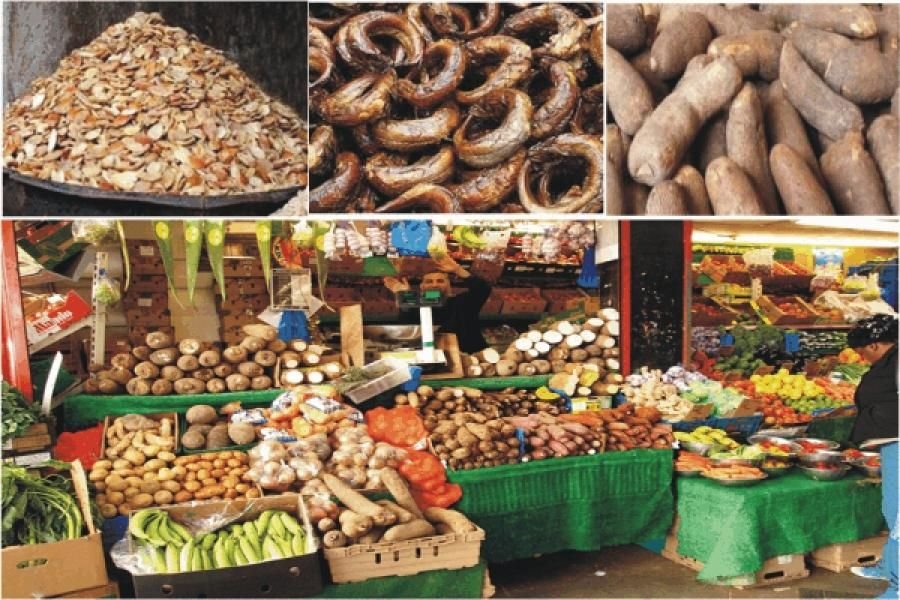
Food Items You Can Buy Cheap in Nigerian Markets
(adsbygoogle = window.adsbygoogle || []).push({});
Nigerian markets are the backbone of everyday living, especially when it comes to affordable food.
For households, students, and small food vendors, knowing what to buy (and when to buy it) can make a big difference in your budget.
At Brand Envoy Africa, we explored common food items across major markets and identified the ones you can consistently buy at lower prices without sacrificing quality.
(adsbygoogle = window.adsbygoogle || []).push({});
1. Vegetables (Ugu, Spinach, Okra)
Fresh vegetables are among the cheapest and most accessible foods in Nigerian markets.
- 🥬 Examples: Ugu (pumpkin leaves), spinach, okra
- 💡 Why they’re cheap: Locally grown and widely available
- 🛒 Pro tip: Buy early in the morning for the freshest bundles
👉 Perfect for soups like egusi, ogbono, and vegetable soup.
2. Tomatoes (In Season)
Tomatoes can be expensive at times, but during peak season, prices drop significantly.
(adsbygoogle = window.adsbygoogle || []).push({});
- 🍅 Best time: Dry season harvest periods
- 💡 Why they’re cheap: High supply from northern farms
- 🛒 Pro tip: Buy in bulk and preserve (blend + freeze)
3. Rice (Local Varieties)
Local rice is often cheaper than imported brands.
- 🍚 Types: Ofada rice, Abakaliki rice
- 💡 Why it’s cheap: Locally produced, lower logistics cost
- 🛒 Pro tip: Buy from wholesalers for better deals
4. Yam & Potatoes
Staples like yam and potatoes are affordable when bought in the right quantities.
- 🥔 Options: Yam tubers, Irish potatoes, sweet potatoes
- 💡 Why they’re cheap: Widely farmed across Nigeria
- 🛒 Pro tip: Buy a full tuber or basket to save more
5. Garri
One of Nigeria’s most affordable and versatile foods.
(adsbygoogle = window.adsbygoogle || []).push({});
- 🥣 Uses: Eba, soaking (garri + sugar + milk)
- 💡 Why it’s cheap: Made locally from cassava
- 🛒 Pro tip: White garri is often cheaper than yellow garri
6. Beans
Beans are a cheap protein source compared to meat.
- 🫘 Types: Brown beans, white beans (iron beans)
- 💡 Why it’s cheap: Locally cultivated and widely distributed
- 🛒 Pro tip: Buy derica or paint buckets instead of small measures
7. Dried Fish & Stockfish (Small Sizes)
Protein doesn’t always have to be expensive.
- 🐟 Options: Dry fish, small stockfish pieces
- 💡 Why they’re cheap: Smaller cuts cost less
- 🛒 Pro tip: Visit bulk sellers for lower prices
8. Plantain (When in Season)
Plantain becomes very affordable during harvest periods.
- 🍌 Uses: Fried plantain, roasted (boli), porridge
- 💡 Why it’s cheap: Seasonal abundance
- 🛒 Pro tip: Buy slightly unripe bunches to last longer
9. Pepper (Fresh & Dried)
Pepper is a kitchen essential, and often cheap when supply is high.
- 🌶️ Types: Fresh pepper, dried pepper
- 💡 Why it’s cheap: Grown in large quantities
- 🛒 Pro tip: Dry and store excess pepper
10. Groundnuts
A cheap snack and ingredient for multiple dishes.
- 🥜 Uses: Snacks, soup thickener, peanut butter
- 💡 Why it’s cheap: Locally grown and easy to store
- 🛒 Pro tip: Buy raw and roast at home
Why Nigerian Markets Offer Cheaper Food
According to insights from Brand Envoy Africa:
- Markets reduce middlemen costs
- Many items come directly from farms
- Bulk buying options lower unit prices
👉 This is why markets remain the best place for budget-friendly shopping.
Smart Buying Tips
To save even more:
- 🕒 Shop early or late (better deals)
- 📦 Buy in bulk when possible
- 🤝 Build relationships with sellers
- 📅 Track seasonal price changes
Final Thoughts
If you’re looking to eat well on a budget, Nigerian markets offer everything you need, from fresh vegetables to staple foods and protein options.
The key is simple:
👉 Know what to buy, when to buy, and where to buy
Follow Brand Envoy Africa for more insights on markets, food, and everyday living in Africa.
(adsbygoogle = window.adsbygoogle || []).push({});
Author

A content writer with a focus on marketing psychology, brand communication, and consumer behaviour across African markets.