
Design Trends Influencing African Architecture
(adsbygoogle = window.adsbygoogle || []).push({});
Design Trends Influencing African Architecture: Building the Future While Honoring the Past
Africa’s architectural landscape is undergoing a remarkable transformation. Across the continent, architects are creating buildings that combine cultural heritage with modern technology, environmental responsibility, and contemporary lifestyles. From innovative skyscrapers in major cities to eco-friendly homes in rural communities, African architecture is increasingly reflecting the continent’s unique identity while addressing modern challenges.
As urbanization accelerates and populations grow, the demand for functional, sustainable, and culturally relevant buildings has never been greater. Today’s African architects are responding with creative solutions that prioritize resilience, local materials, and community-centered design.
(adsbygoogle = window.adsbygoogle || []).push({});
The Evolution of African Architecture
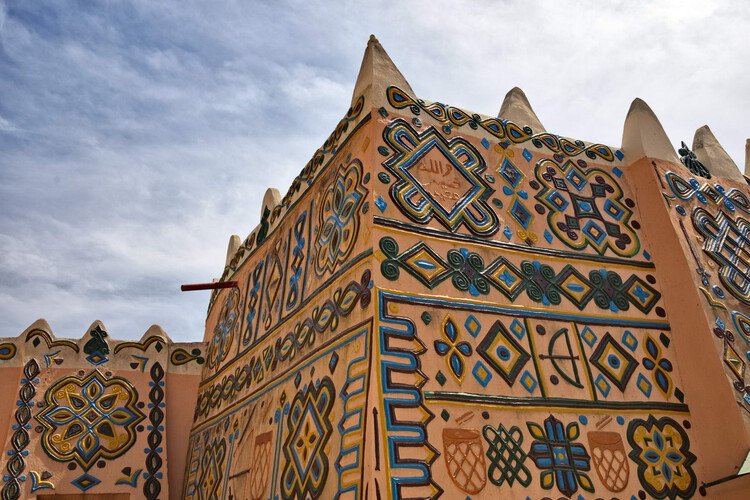
Traditional African architecture has always been shaped by climate, available resources, and cultural values. Mud houses in the Sahel, stone structures in Southern Africa, and thatched homes across East Africa demonstrate centuries of architectural ingenuity.
Today, architects are reimagining these traditions rather than replacing them. They blend indigenous knowledge with modern engineering to create buildings that are both visually striking and environmentally responsible.
This fusion has given rise to a new architectural language that is distinctly African yet globally admired.
(adsbygoogle = window.adsbygoogle || []).push({});
Sustainability Takes Center Stage
One of the strongest trends shaping African architecture is sustainability.
With rising temperatures, rapid urban expansion, and increasing environmental concerns, architects are designing buildings that reduce energy consumption and minimize environmental impact.
Popular sustainable features include:
(adsbygoogle = window.adsbygoogle || []).push({});
- Natural ventilation systems
- Solar energy integration
- Rainwater harvesting
- Green roofs and rooftop gardens
- Energy-efficient lighting
- Passive cooling techniques
Instead of relying heavily on air conditioning, many buildings now use strategic window placement, courtyards, and shading systems to maintain comfortable indoor temperatures naturally.
This approach lowers operating costs while reducing carbon emissions.
The Return of Local Materials
African architecture is embracing locally sourced building materials once again.
Rather than depending entirely on imported products, architects increasingly use materials that are affordable, sustainable, and culturally meaningful.
Common examples include:
- Stabilized earth blocks
- Bamboo
- Timber
- Natural stone
- Laterite
- Clay bricks
- Compressed earth blocks
These materials often perform exceptionally well in local climates while supporting local industries and reducing transportation costs.
Modern construction techniques have also improved their durability, making them suitable for both residential and commercial developments.
Biophilic Design Is Growing
Biophilic design focuses on strengthening the connection between people and nature.
Across Africa, architects increasingly incorporate:
- Indoor gardens
- Open courtyards
- Natural lighting
- Green walls
- Landscaped communal spaces
- Water features
These elements improve mental well-being, enhance air quality, and create more comfortable living environments.
As cities become denser, integrating nature into urban architecture is becoming an essential design strategy.
Smart Buildings Are Becoming More Common
Technology is reshaping architecture throughout Africa.
Modern commercial buildings and luxury residential developments increasingly feature smart technologies such as:
- Automated lighting systems
- Smart security
- Digital access control
- Energy monitoring
- Intelligent climate control
- Smart parking systems
These innovations improve convenience, enhance security, and reduce energy consumption.
Although smart buildings remain more common in major cities, their adoption continues to expand as technology becomes more affordable.
Cultural Identity Drives Modern Design
One of the most exciting developments in African architecture is the renewed celebration of cultural identity.
Rather than copying international styles, architects increasingly incorporate traditional African symbols, patterns, and spatial concepts into modern buildings.
Design inspiration often comes from:
- Indigenous textiles
- Traditional compounds
- Tribal motifs
- Local craftsmanship
- Historical landmarks
- Community gathering spaces
This creates buildings that feel authentic while preserving cultural heritage for future generations.
Mixed-Use Developments Are Reshaping Cities
African cities are growing rapidly, creating demand for more efficient land use.
Mixed-use developments combine:
- Residential apartments
- Retail stores
- Restaurants
- Offices
- Recreational facilities
- Public spaces
These developments reduce commuting times, encourage walkability, and create vibrant neighborhoods where people can live, work, and socialize.
As urban populations continue to grow, mixed-use projects are expected to become even more common.
Affordable Housing Through Innovative Design
Housing shortages remain a significant challenge across many African countries.
Architects are responding with innovative solutions that improve affordability without compromising quality.
Emerging approaches include:
- Modular construction
- Prefabricated housing
- 3D-printed building components
- Incremental housing models
- Low-cost sustainable materials
These methods reduce construction time while making quality housing more accessible to low- and middle-income families.
Climate-Responsive Architecture
Africa’s diverse climates require buildings that respond effectively to local environmental conditions.
Architects increasingly design structures that consider:
- Sun orientation
- Wind direction
- Seasonal rainfall
- Local vegetation
- Flood risks
- Heat management
Climate-responsive design not only improves comfort but also reduces long-term operating costs.
This approach is particularly important as climate change increases the frequency of extreme weather events.
Adaptive Reuse of Existing Buildings
Instead of demolishing older structures, many cities are embracing adaptive reuse.
Historic buildings are being transformed into:
- Hotels
- Museums
- Restaurants
- Offices
- Art galleries
- Cultural centers
This trend preserves architectural heritage while reducing construction waste and revitalizing urban neighborhoods.
Adaptive reuse also strengthens tourism by maintaining the historical character of cities.
Community-Centered Design
Modern African architecture increasingly prioritizes the people who use buildings.
Community participation has become an important part of the design process.
Architects engage local residents to understand:
- Cultural practices
- Family structures
- Social interactions
- Accessibility needs
- Community priorities
As a result, buildings better reflect the lifestyles and aspirations of their users.
Minimalist Yet Functional Interiors
Interior architecture is also evolving.
Many new African homes embrace minimalist design characterized by:
- Open floor plans
- Natural textures
- Neutral color palettes
- Multifunctional furniture
- Large windows
- Simple geometric forms
This design style creates brighter, more spacious interiors while maximizing functionality.
Digital Design and Advanced Construction
Architectural firms across Africa increasingly use advanced digital tools, including:
- Building Information Modeling (BIM)
- 3D visualization
- Drone surveying
- Virtual reality presentations
- Artificial intelligence-assisted design
These technologies improve design accuracy, reduce errors, and streamline construction projects.
Clients can also visualize projects before construction begins, leading to better decision-making.
Challenges Facing African Architecture
Despite these exciting trends, several challenges remain.
These include:
- Rapid urban population growth
- Limited infrastructure
- Rising construction costs
- Housing deficits
- Climate-related risks
- Regulatory barriers
- Skills shortages
However, innovation continues to drive solutions that balance affordability, sustainability, and cultural relevance.
The Future of African Architecture
The future of African architecture is both innovative and deeply rooted in tradition. As designers continue to embrace sustainability, smart technology, and local craftsmanship, the continent is developing an architectural identity that responds to its unique social, cultural, and environmental realities.
Future buildings are likely to become even more energy-efficient, adaptable, and community-focused. At the same time, architects will continue to draw inspiration from Africa’s rich cultural heritage, ensuring that modern development does not come at the expense of identity.
By combining creativity with practical solutions, African architecture is not only transforming skylines but also improving the quality of life for millions of people.
Conclusion
Design trends influencing African architecture demonstrate that the continent is shaping its own architectural future rather than simply following global styles. Sustainable construction, locally sourced materials, climate-responsive design, cultural expression, and technological innovation are creating buildings that are both functional and inspiring.
As Africa continues to urbanize, these trends will play an increasingly important role in creating resilient cities, affordable housing, and vibrant communities. The result is an architectural movement that celebrates heritage while confidently embracing the future.
(adsbygoogle = window.adsbygoogle || []).push({});
Author

A content writer with a focus on marketing psychology, brand communication, and consumer behaviour across African markets.