
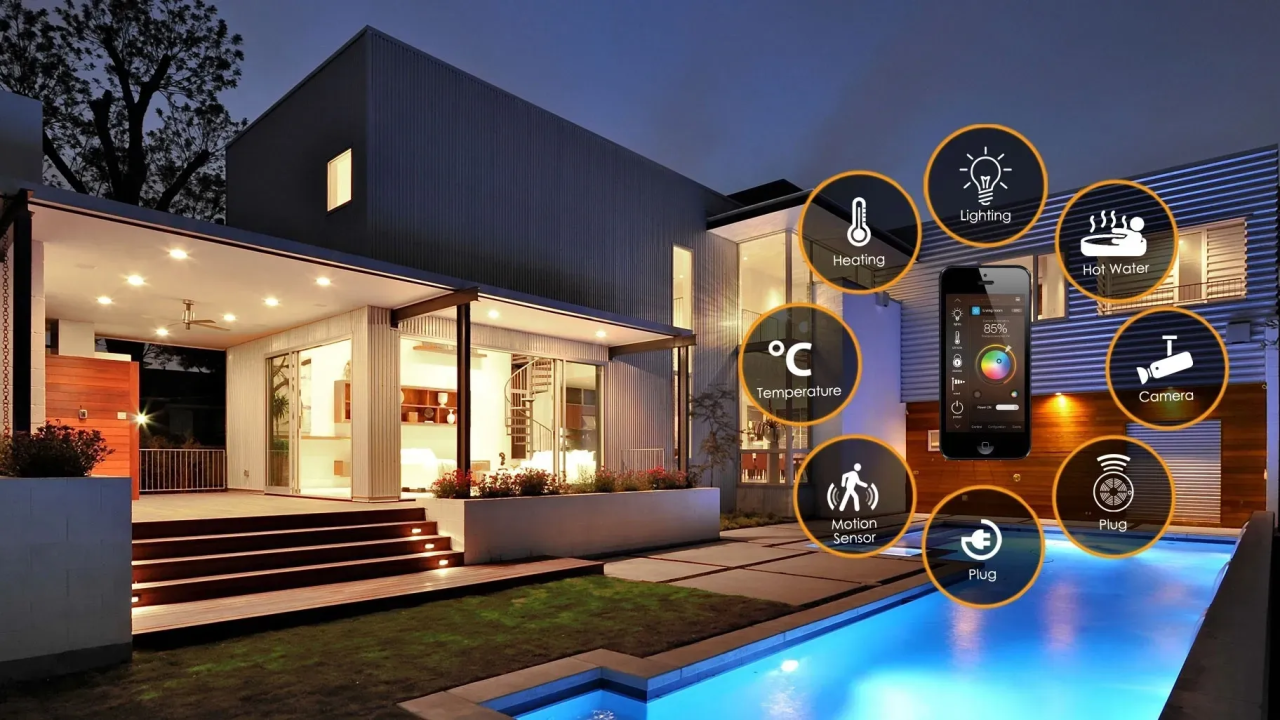
The Growth of Smart Homes in African Cities
(adsbygoogle = window.adsbygoogle || []).push({});
Across Africa, cities are expanding at an unprecedented pace.
As urban populations grow, so does the demand for homes that are safer, more efficient, and better connected. While smart homes were once considered a luxury reserved for wealthy households, they are increasingly becoming a practical reality for many families across the continent.
Driven by affordable internet access, widespread smartphone adoption, and innovative local technology solutions, smart home technology is gradually transforming how people live in African cities. From automated lighting and security systems to energy-saving devices and voice-controlled assistants, smart homes are reshaping urban living in ways that improve convenience, security, and sustainability.
(adsbygoogle = window.adsbygoogle || []).push({});
This article explores the rise of smart homes in African cities, the factors driving their growth, the challenges slowing adoption, and what the future may hold.
What Is a Smart Home?
A smart home uses internet-connected devices that allow homeowners to monitor, control, and automate various household functions. These devices communicate with one another through Wi-Fi, Bluetooth, or other wireless technologies.
Common smart home features include:
(adsbygoogle = window.adsbygoogle || []).push({});
- Smart lighting systems
- Smart security cameras
- Motion sensors
- Smart locks
- Video doorbells
- Smart televisions
- Voice assistants
- Smart air conditioners
- Automated curtains and blinds
- Energy monitoring systems
Many of these devices can be managed using a smartphone app, allowing homeowners to control their homes even when they are away.
Why Smart Homes Are Growing in Africa
1. Rapid Urbanization
Africa is home to some of the world’s fastest-growing cities. Urban populations continue to increase as people move in search of employment, education, and better opportunities.
As new residential estates and apartment developments emerge, developers are beginning to include smart technologies to attract buyers looking for modern lifestyles.
(adsbygoogle = window.adsbygoogle || []).push({});
Cities such as Lagos, Nairobi, Johannesburg, Kigali, Accra, and Cairo are seeing increasing demand for technology-enabled housing.
2. Rising Smartphone Adoption
Smartphones have become central to daily life across Africa.
Today, many homeowners already use mobile apps for:
- Banking
- Shopping
- Transportation
- Entertainment
- Communication
Managing home devices through the same smartphone feels like a natural extension of everyday digital life.
3. Improved Internet Connectivity
Better broadband infrastructure and expanding 4G and 5G networks have made connected devices more reliable.
Although internet quality still varies across regions, connectivity continues to improve in many urban centers, making smart home systems increasingly practical.
4. Growing Middle-Class Population
An expanding middle class is investing more in home ownership and home improvements.
Instead of focusing solely on luxury finishes, many buyers now prioritize features that offer long-term value, including:
- Home security
- Energy efficiency
- Convenience
- Remote monitoring
Smart home technology aligns well with these priorities.
Popular Smart Home Technologies in African Cities
Smart Security Systems
Security remains one of the biggest reasons homeowners adopt smart technology.
Popular solutions include:
- CCTV cameras
- Motion detectors
- Smart doorbells
- Mobile security alerts
- Smart locks
These systems help homeowners monitor their property from virtually anywhere.
Smart Lighting
Automated lighting improves convenience while reducing electricity consumption.
Lights can:
- Turn on automatically
- Switch off when rooms are empty
- Be scheduled
- Be controlled remotely
This is particularly useful for reducing unnecessary energy use.
Smart Energy Management
Electricity costs remain a concern for many African households.
Smart energy devices help residents:
- Track electricity usage
- Reduce waste
- Optimize appliance performance
- Monitor solar power systems
- Improve backup power management
As renewable energy adoption grows, these systems become even more valuable.
Smart Appliances
Modern appliances increasingly include internet connectivity.
Examples include:
- Refrigerators
- Washing machines
- Air conditioners
- Water heaters
These appliances can be controlled remotely, making household management easier.
Smart Entertainment
Streaming devices, smart televisions, and wireless speakers have become common additions to many urban homes.
Families enjoy seamless access to:
- Movies
- Music
- Educational content
- Video conferencing
Entertainment systems can often be integrated into a broader smart home ecosystem.
Benefits of Smart Homes
Enhanced Security
Real-time monitoring provides greater peace of mind.
Instant alerts notify homeowners of:
- Suspicious movement
- Unauthorized entry
- Fire
- Smoke
- Water leaks
Quick responses can reduce property damage and improve safety.
Energy Savings
Smart systems optimize electricity use.
Examples include:
- Automatic lighting schedules
- Smart thermostats
- Energy monitoring dashboards
- Appliance automation
These features can lower monthly utility bills while supporting environmental sustainability.
Greater Convenience
Imagine arriving home and having:
- Lights switch on automatically
- Curtains open
- Air conditioning activate
- Music begin playing
Automation reduces routine tasks and simplifies everyday living.
Better Accessibility
Smart homes also improve quality of life for:
- Older adults
- Individuals with disabilities
- Busy professionals
Voice commands and remote controls make daily activities easier and more independent.
Challenges Facing Smart Home Adoption
Despite encouraging growth, several obstacles remain.
High Initial Costs
Many imported smart devices remain expensive relative to average household incomes.
Installation costs may also discourage first-time buyers.
However, prices continue to fall as more manufacturers enter the market.
Unstable Electricity Supply
Power interruptions remain a challenge in several African cities.
Without reliable electricity, some smart systems cannot function consistently.
Backup batteries, solar systems, and inverters are helping reduce this challenge.
Internet Reliability
Smart homes depend heavily on stable internet connections.
Poor connectivity can affect automation, remote monitoring, and cloud-based services.
Fortunately, network improvements continue across many urban areas.
Cybersecurity Concerns
Connected devices must be protected from hackers.
Homeowners should:
- Use strong passwords
- Enable two-factor authentication
- Update device software regularly
- Purchase products from trusted manufacturers
Good cybersecurity practices help keep smart homes secure.
African Innovation in Smart Home Technology
African entrepreneurs are not simply importing technology, they are creating solutions tailored to local needs.
Examples include:
- Solar-powered smart systems
- Affordable security devices
- Mobile-first automation platforms
- Smart water management tools
- Community-based monitoring systems
These innovations address local infrastructure challenges while making smart homes more accessible.
Local startups are increasingly designing products that perform well despite intermittent electricity and varying internet quality.
The Role of Real Estate Developers
Property developers are recognizing that buyers increasingly value smart features.
New residential projects are beginning to include:
- Digital access control
- Fiber internet connectivity
- Smart security infrastructure
- Smart parking systems
- Energy-efficient lighting
- Home automation options
Smart-ready homes are becoming a competitive selling point in many urban housing developments.
What the Future Looks Like
The future of smart homes in Africa appears promising.
Several trends are likely to shape the next decade:
- Wider adoption of artificial intelligence
- Increased use of renewable energy integration
- More affordable smart devices
- Growth of locally manufactured technology
- Expansion of smart city initiatives
- Improved internet infrastructure
- Greater adoption of voice-controlled home systems
As technology becomes more accessible, smart homes will likely shift from being premium products to standard features in modern urban housing.
How Homeowners Can Get Started
Creating a smart home does not require renovating an entire house at once.
Homeowners can begin with simple upgrades such as:
- Installing smart light bulbs.
- Adding a smart security camera.
- Using a smart plug to automate appliances.
- Purchasing a smart doorbell.
- Monitoring electricity usage with smart energy devices.
Over time, these individual components can be integrated into a complete smart home ecosystem.
Conclusion
Smart homes are steadily becoming part of Africa’s urban future. Advances in mobile technology, internet connectivity, renewable energy, and locally developed innovations are making connected living more practical and accessible than ever before.
Although challenges such as electricity reliability, internet quality, and upfront costs remain, the overall direction is clear. African cities are embracing technologies that improve safety, convenience, and energy efficiency while enhancing the quality of everyday life.
As more developers, technology companies, and homeowners invest in connected living, smart homes will play an increasingly important role in shaping modern African cities. The homes of tomorrow are already emerging today, offering residents greater control, comfort, and sustainability in an increasingly digital world.
(adsbygoogle = window.adsbygoogle || []).push({});
Author

A content writer with a focus on marketing psychology, brand communication, and consumer behaviour across African markets.