
Home & Kitchen Trends Shaping Urban African Homes
(adsbygoogle = window.adsbygoogle || []).push({});
Urban Africa is experiencing a remarkable transformation in how people design, organize, and use their homes.
Rapid urbanization, changing lifestyles, rising technology adoption, and a growing appreciation for African culture are influencing modern home and kitchen spaces across cities such as Lagos, Nairobi, Accra, Kigali, Johannesburg, Cairo, and Dakar.
Today’s homeowners and renters are no longer focused solely on having beautiful interiors, they also prioritize functionality, affordability, sustainability, and comfort. From compact apartments to family homes, urban Africans are embracing innovative solutions that maximize every square meter while reflecting their unique cultural identity.
(adsbygoogle = window.adsbygoogle || []).push({});
This article explores the major home and kitchen trends shaping urban African homes and why these changes are becoming increasingly important.
The Rise of Multifunctional Living Spaces
With urban populations growing rapidly, many city residents live in apartments or houses with limited floor space. As a result, multifunctional rooms have become one of the biggest interior design trends.
Living rooms now double as home offices, dining areas serve as study spaces, and kitchens often become gathering spots for families and guests. Foldable tables, extendable dining sets, storage ottomans, and convertible furniture help homeowners make the most of smaller spaces.
(adsbygoogle = window.adsbygoogle || []).push({});
This trend encourages efficient living without sacrificing comfort or style.
Smart Storage Solutions Are Becoming Essential
Urban homes often face storage challenges. To solve this problem, homeowners are investing in creative storage systems that reduce clutter while keeping everyday essentials within easy reach.
Popular storage ideas include:
(adsbygoogle = window.adsbygoogle || []).push({});
- Wall-mounted shelves
- Under-bed storage drawers
- Modular kitchen cabinets
- Pull-out pantry organizers
- Vertical storage racks
- Hidden compartments inside furniture
Good storage improves organization, creates a cleaner appearance, and makes small homes feel significantly larger.
African-Inspired Interior Design Is Making a Strong Comeback
Modern African homes increasingly celebrate local identity by incorporating traditional craftsmanship into contemporary interiors.
Popular design elements include:
- Handwoven baskets
- Ankara-inspired décor
- Mud cloth cushions
- Wooden furniture made from local hardwood
- Terracotta accessories
- Handmade ceramics
- Indigenous artwork
- Natural woven rugs
Rather than copying foreign design styles entirely, many homeowners are blending contemporary minimalism with authentic African aesthetics.
This combination creates warm, welcoming spaces that tell personal and cultural stories.
Open-Plan Kitchens Continue to Grow in Popularity
Open kitchens have become a preferred design choice in many newly built urban homes.
Instead of separating the kitchen from living spaces, homeowners are embracing layouts that encourage interaction during meal preparation.
Benefits include:
- Better natural lighting
- Improved airflow
- Easier entertaining
- More spacious interiors
- Better family interaction
Kitchen islands also serve multiple purposes, including food preparation, dining, remote work, and social gatherings.
Sustainable Living Is Influencing Home Design
Environmental awareness is encouraging many urban Africans to adopt more sustainable practices at home.
Examples include:
- Energy-efficient appliances
- LED lighting
- Water-saving faucets
- Solar-powered systems
- Reusable food containers
- Indoor herb gardens
- Waste separation for recycling
Sustainability not only helps protect the environment but also reduces long-term household expenses.
Smart Kitchens Are Becoming More Accessible
Technology is no longer limited to luxury homes.
Many middle-income households are gradually adopting affordable smart kitchen technologies, including:
- Air fryers
- Energy-saving induction cookers
- Electric pressure cookers
- Smart kettles
- Water filtration systems
- Motion-sensor lighting
These appliances simplify meal preparation while helping families save both time and energy.
Minimalism Is Replacing Excess
Many urban homeowners are moving away from overcrowded interiors toward clean, functional designs.
Minimalist homes often feature:
- Neutral color palettes
- Simple furniture
- Less decorative clutter
- Hidden storage
- Open spaces
- Quality over quantity
Minimalism creates calming environments that are easier to maintain while making smaller homes feel more spacious.
Indoor Plants Are Bringing Nature Inside
Indoor greenery has become one of the easiest ways to improve home aesthetics.
Popular plants include:
- Snake plants
- Peace lilies
- Aloe vera
- Spider plants
- Pothos
- Succulents
Beyond decoration, many indoor plants help improve air quality and create relaxing living environments.
Home Offices Are Now Permanent Features
Remote work, freelancing, and online businesses have increased the demand for functional home workspaces.
Many homeowners now dedicate areas specifically for:
- Video meetings
- Online learning
- Creative work
- Business administration
- Content creation
Even compact workstations with ergonomic chairs, proper lighting, and organized shelving can significantly improve productivity.
Local Furniture Is Gaining Popularity
Consumers are increasingly supporting local artisans and furniture manufacturers.
Locally made furniture offers several advantages:
- Better customization
- Stronger materials suited to local climates
- Faster delivery
- Support for African businesses
- Unique craftsmanship
Many buyers also appreciate furniture made from responsibly sourced wood and locally available materials.
Kitchens Are Becoming Lifestyle Spaces
The modern African kitchen is evolving beyond its traditional role as a cooking area.
Today’s kitchens are places where families:
- Share meals
- Work remotely
- Help children with homework
- Host friends
- Experiment with new recipes
- Create social media content
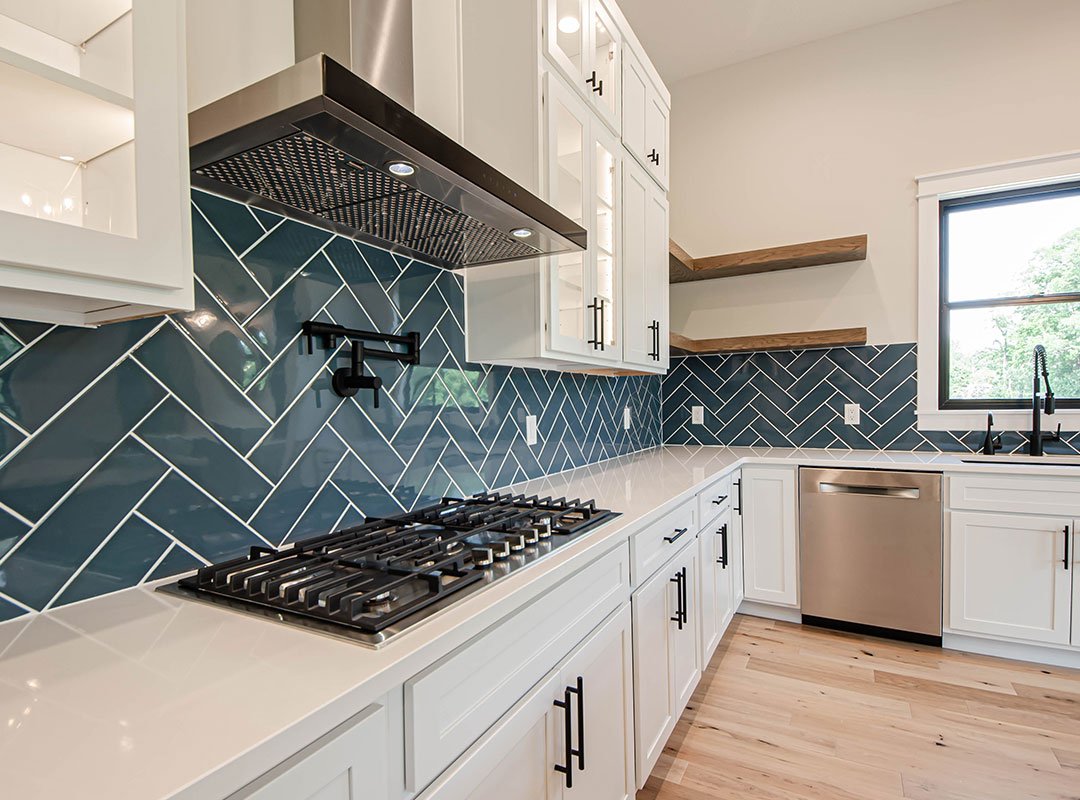
As a result, homeowners are investing more in attractive backsplashes, stylish lighting, durable countertops, and organized layouts.
Color Trends Reflect Warmth and Personality
Neutral colors remain popular, but many African homeowners are introducing bold accents inspired by local landscapes and cultures.
Trending colors include:
- Earthy browns
- Olive green
- Mustard yellow
- Deep navy
- Burnt orange
- Clay tones
- Forest green
- Matte black finishes
These colors create modern spaces while maintaining warmth and character.
Affordable Luxury Is Driving Consumer Choices
Rather than purchasing expensive designer products, many homeowners seek affordable alternatives that deliver similar quality and aesthetics.
This includes:
- Quartz-look countertops
- Stylish laminate flooring
- Modern lighting fixtures
- Quality kitchen organizers
- Decorative wall panels
- Affordable modular cabinetry
Affordable luxury allows families to upgrade their homes gradually without exceeding their budgets.
Wellness Is Influencing Home Design
Health-conscious living has become a major priority.
Modern homes increasingly feature:
- Better ventilation
- More natural lighting
- Air-purifying plants
- Dedicated relaxation corners
- Organized kitchens that encourage healthy cooking
- Comfortable dining spaces for family meals
Designing homes around wellness improves both physical and mental well-being.
The Future of Urban African Homes
As cities continue to expand, homes will become smarter, more energy-efficient, and more adaptable to changing lifestyles.
Future trends are likely to include:
- Greater use of renewable energy
- Increased adoption of smart home devices
- Eco-friendly building materials
- Modular furniture
- Water conservation technologies
- Stronger integration of African craftsmanship into modern interiors
Urban African homes will continue balancing innovation with cultural identity, creating spaces that are both practical and deeply connected to local heritage.
Conclusion
The modern African home is evolving in exciting ways. Homeowners are embracing multifunctional layouts, sustainable practices, smart technologies, and culturally inspired designs that reflect the realities of urban living.
Whether living in a compact city apartment or a growing family home, today’s residents seek spaces that are efficient, beautiful, and meaningful. As innovation and creativity continue to shape the continent’s housing landscape, urban African homes are becoming excellent examples of how modern living can successfully blend tradition, functionality, and style.
For anyone planning a home renovation or simply looking for inspiration, these trends offer practical ideas that can make everyday living more comfortable, organized, and enjoyable while celebrating the richness of African design.
(adsbygoogle = window.adsbygoogle || []).push({});
Author

A content writer with a focus on marketing psychology, brand communication, and consumer behaviour across African markets.