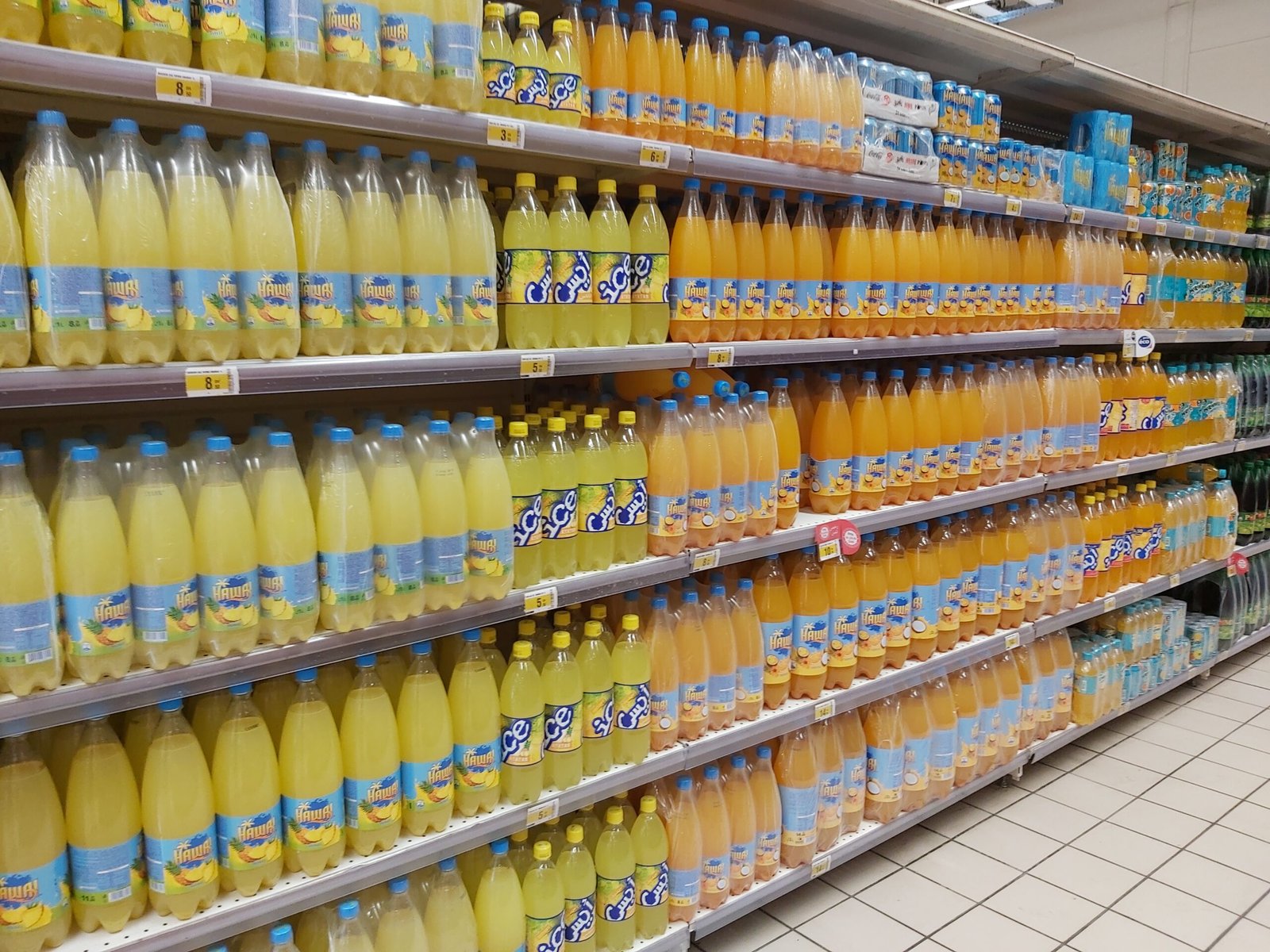
African Beverage Brands Competing on the Global Stage
(adsbygoogle = window.adsbygoogle || []).push({});
Africa’s beverage industry is undergoing a remarkable transformation.
Once known primarily as a supplier of raw agricultural products such as coffee, cocoa, tea, and tropical fruits, the continent is now producing globally recognized beverage brands that proudly carry the “Made in Africa” label. From premium wines and craft spirits to fruit juices, soft drinks, energy beverages, and specialty teas, African companies are proving they can compete with some of the world’s biggest names.
Driven by changing consumer preferences, improved manufacturing standards, growing investments, and increasing demand for authentic products, African beverage brands are finding their place in supermarkets, restaurants, hotels, and online marketplaces across Europe, North America, Asia, and the Middle East.
(adsbygoogle = window.adsbygoogle || []).push({});
The rise of these brands is not just a business success story, it also represents Africa’s growing influence in global consumer markets.
The Rise of Africa’s Beverage Industry
Africa’s beverage market has experienced significant growth over the past decade. Population growth, rapid urbanization, higher disposable incomes, and an expanding middle class have encouraged companies to invest in modern production facilities and innovative product development.
Many African beverage manufacturers are also leveraging the continent’s rich agricultural resources. Fresh fruits, herbs, coffee beans, tea leaves, cocoa, sugarcane, and indigenous botanicals provide a competitive advantage that few regions can match.
(adsbygoogle = window.adsbygoogle || []).push({});
Rather than simply exporting raw ingredients, businesses are increasingly adding value by producing finished beverages that appeal to both local and international consumers.
Coffee Brands Taking African Flavors Worldwide
Africa is the birthplace of coffee, making it only natural for African coffee brands to gain international recognition.
Countries such as Ethiopia, Kenya, Uganda, Rwanda, and Tanzania have built strong reputations for producing premium coffee with distinctive flavor profiles.
(adsbygoogle = window.adsbygoogle || []).push({});
Modern African coffee companies are focusing on:
- Specialty coffee production
- Sustainable farming practices
- Direct trade relationships
- Premium roasting techniques
- Ethical sourcing certifications
Consumers around the world are increasingly seeking traceable, high-quality coffee, creating opportunities for African brands to command premium prices.
African Wines Winning International Awards
South Africa has become one of the world’s leading wine producers, exporting millions of bottles annually.
Its vineyards produce award-winning:
- Cabernet Sauvignon
- Pinotage
- Chardonnay
- Sauvignon Blanc
- Shiraz
- Sparkling wines
South African wineries regularly receive medals at prestigious international wine competitions, helping establish the country’s reputation for excellence.
Beyond South Africa, countries including Morocco and Ethiopia are also expanding their wine industries.
Fruit Juices Powered by Local Agriculture
Africa’s tropical climate supports the cultivation of an incredible variety of fruits.
Many beverage companies are producing juices made from:
- Mango
- Pineapple
- Baobab
- Hibiscus
- Tamarind
- Passion fruit
- Watermelon
- Guava
- Soursop
These beverages appeal to international consumers looking for natural, vitamin-rich alternatives to sugary soft drinks.
Products featuring indigenous African ingredients are especially attractive because they offer unique flavors unavailable in many other regions.
Indigenous Ingredients Creating Global Interest
One major advantage African beverage companies possess is access to ingredients that remain relatively uncommon in global markets.
These include:
- Baobab fruit
- Moringa
- Rooibos
- Hibiscus
- Marula
- Ginger
- Sorghum
- Fonio
- African honey
- Tamarind
Consumers increasingly value beverages containing natural ingredients with nutritional benefits and cultural authenticity.
This trend aligns perfectly with global demand for wellness drinks.
African Tea Brands Expanding Internationally
African tea production continues to grow.
Kenya remains one of the world’s largest tea exporters, while South Africa’s rooibos tea has become especially popular among health-conscious consumers.
Many African tea companies now produce:
- Herbal infusions
- Organic teas
- Wellness blends
- Functional beverages
- Naturally caffeine-free options
These products are marketed as premium alternatives to conventional teas.
Craft Spirits and Premium Liquors
African distilleries are gaining worldwide attention by producing premium spirits inspired by local ingredients and traditional recipes.
Products include:
- Craft gin
- Vodka
- Rum
- Whisky
- Cream liqueurs
- Botanical spirits
Many producers incorporate indigenous herbs, spices, fruits, and flowers to create distinctive flavor profiles.
International bartenders increasingly feature African spirits in cocktails, introducing consumers to entirely new taste experiences.
Innovation Is Driving Growth
Modern African beverage companies are investing heavily in innovation.
Areas of focus include:
Sustainable Packaging
Many companies are reducing plastic waste through recyclable bottles, biodegradable packaging, and lightweight containers.
Healthier Formulations
Consumers now seek beverages with:
- Less sugar
- Natural sweeteners
- Organic ingredients
- Added vitamins
- Functional health benefits
African brands are responding with products that meet these expectations.
Digital Marketing
Social media has allowed beverage brands to reach global audiences at relatively low cost.
Companies showcase:
- Their production process
- Farmer partnerships
- Local ingredients
- Cultural heritage
- Sustainability initiatives
Authentic storytelling has become a powerful competitive advantage.
Sustainability as a Competitive Advantage
Many international buyers now prioritize sustainability.
African beverage companies increasingly invest in:
- Fair trade partnerships
- Water conservation
- Renewable energy
- Local sourcing
- Farmer development
- Community empowerment
These practices not only protect the environment but also strengthen brand reputation among environmentally conscious consumers.
Export Opportunities Continue to Expand
Trade agreements and improving logistics have opened new export markets.
African beverage companies now supply products to:
- Europe
- North America
- Asia
- Australia
- The Middle East
Diaspora communities often provide the first customer base before brands expand into mainstream retail channels.
Participation in international trade fairs and food exhibitions has also increased brand visibility.
Challenges Facing African Beverage Brands
Despite impressive progress, several obstacles remain.
High Production Costs
Manufacturing expenses can be higher due to energy costs, infrastructure limitations, and imported equipment.
International Competition
African brands compete against multinational corporations with larger marketing budgets and established distribution networks.
Regulatory Requirements
Exporting beverages requires compliance with strict food safety, labeling, and quality standards.
Meeting these requirements can be costly for smaller businesses.
Supply Chain Constraints
Transportation infrastructure, storage facilities, and logistics challenges can increase costs and affect product availability.
Why Consumers Are Choosing African Beverage Brands
Global consumers increasingly appreciate products that offer authenticity and purpose.
African beverage brands appeal because they provide:
- Unique flavors
- Cultural heritage
- Natural ingredients
- Ethical sourcing
- Sustainable production
- High-quality craftsmanship
Consumers today want more than just a drink, they want a story behind every bottle.
The Future Looks Bright
Africa’s beverage industry is entering an exciting new era. Continued investment in product innovation, branding, sustainable production, and international partnerships will enable more African companies to compete successfully on the world stage.
As global consumers become increasingly adventurous and health-conscious, beverages made from Africa’s diverse agricultural resources are well positioned to capture greater market share. From premium coffees and award-winning wines to refreshing fruit juices, herbal teas, and craft spirits, African brands are redefining global perceptions of the continent’s manufacturing capabilities.
The future belongs to companies that combine quality, authenticity, innovation, and sustainability. African beverage brands are demonstrating that they possess all four qualities, positioning themselves not only as regional leaders but also as respected competitors in the global beverage industry.
(adsbygoogle = window.adsbygoogle || []).push({});
Author

A content writer with a focus on marketing psychology, brand communication, and consumer behaviour across African markets.