
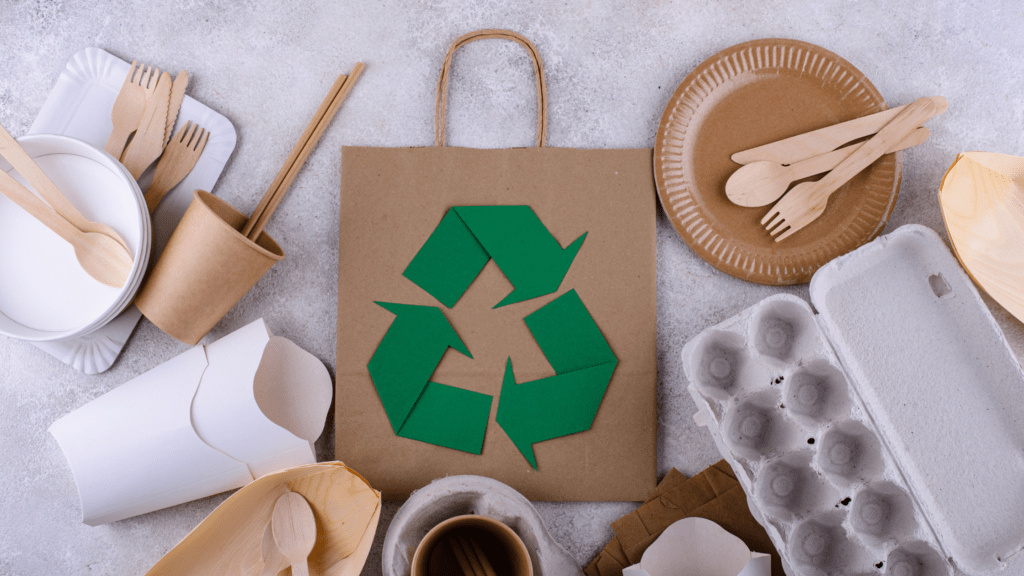
Packaging Innovations Helping African Businesses
(adsbygoogle = window.adsbygoogle || []).push({});
Packaging Innovations Helping African Businesses Reduce Waste.
As sustainability becomes a global priority, African businesses are finding new ways to reduce waste while improving efficiency and customer satisfaction. Packaging, once viewed simply as a means of protecting products, has evolved into a powerful tool for environmental responsibility and business growth. Across the continent, entrepreneurs, manufacturers, and innovators are adopting eco-friendly packaging solutions that minimize waste, lower costs, and appeal to environmentally conscious consumers.
From biodegradable materials to reusable containers and smart packaging designs, these innovations are helping African businesses compete in both local and international markets. Moreover, governments, investors, and consumers are increasingly supporting companies that embrace sustainable practices.
(adsbygoogle = window.adsbygoogle || []).push({});
Why Packaging Waste Is a Growing Concern
Packaging waste has become one of the biggest environmental challenges worldwide. Plastic bags, single-use containers, and excessive wrapping often end up in landfills, waterways, and oceans. Many African cities also struggle with waste management systems that cannot keep up with rising urban populations.
Consequently, businesses are recognizing that reducing packaging waste benefits both the environment and their bottom line. Less material means lower production costs, reduced transportation expenses, and a stronger brand image.
Furthermore, sustainable packaging aligns with global environmental goals, making African exports more attractive in international markets where eco-friendly standards continue to grow.
(adsbygoogle = window.adsbygoogle || []).push({});
The Rise of Sustainable Packaging in Africa
Innovation across Africa is transforming how products are packaged and delivered. Instead of relying solely on traditional plastics, businesses are exploring locally available materials that are renewable, recyclable, or biodegradable.
Several industries—including agriculture, food processing, cosmetics, fashion, and retail—are leading this transition. As a result, sustainable packaging is becoming more accessible to businesses of all sizes.
Additionally, many startups are building entire business models around environmentally friendly packaging solutions, creating new employment opportunities while reducing pollution.
(adsbygoogle = window.adsbygoogle || []).push({});
Popular Packaging Innovations
1. Biodegradable Packaging
Biodegradable materials naturally break down after disposal, leaving minimal environmental impact. African companies are producing packaging from agricultural waste such as:
- Cassava starch
- Sugarcane fiber
- Banana leaves
- Corn husks
- Bamboo fibers
These alternatives reduce dependence on petroleum-based plastics while supporting local agriculture.
2. Recyclable Paper Packaging
Paper packaging continues to replace plastic in many industries. Recycled cardboard boxes, paper bags, and molded paper containers are now widely used for:
- Food delivery
- Retail shopping
- E-commerce shipping
- Consumer goods
Moreover, paper is easier to recycle in many communities than mixed plastic materials.
3. Reusable Containers
Many businesses encourage customers to return containers for cleaning and reuse. This model is becoming increasingly common for:
- Beverage companies
- Dairy producers
- Household cleaning products
- Personal care items
Reusable packaging significantly reduces single-use waste while lowering long-term packaging costs.
4. Compostable Food Packaging
Restaurants and food vendors are switching to compostable plates, bowls, and takeaway containers made from plant fibers instead of plastic or Styrofoam.
These products naturally decompose under proper composting conditions, reducing landfill waste.
5. Lightweight Packaging Designs
Manufacturers are redesigning packaging to use less material without compromising product protection.
Lightweight packaging offers several advantages:
- Lower transportation costs
- Reduced fuel consumption
- Less raw material usage
- Smaller environmental footprint
Smart Packaging Technologies
Innovation is extending beyond sustainable materials. Smart packaging is improving efficiency throughout the supply chain.
Examples include:
- QR codes for product information
- Temperature indicators for food safety
- Freshness sensors
- Anti-counterfeit labels
- Digital tracking systems
These technologies reduce waste by preventing spoilage and improving inventory management.
Supporting the Circular Economy
Many African businesses are embracing circular economy principles, where materials remain in use for as long as possible instead of being discarded after one use.
This approach includes:
- Recycling packaging materials
- Repairing reusable containers
- Collecting used packaging
- Manufacturing products from recycled materials
Consequently, fewer resources are extracted, and less waste enters the environment.
Local Materials Driving Innovation
Africa’s rich natural resources provide opportunities to create sustainable packaging from locally sourced materials.
Examples include:
- Coconut husks
- Palm leaves
- Water hyacinth fibers
- Sisal
- Bamboo
- Raffia
- Recycled paper pulp
Using local materials reduces import costs while supporting farmers and rural communities.
Benefits for Small Businesses
Sustainable packaging is no longer limited to large corporations. Small and medium-sized enterprises (SMEs) are also benefiting from innovative packaging solutions.
Key advantages include:
- Reduced packaging expenses
- Stronger customer loyalty
- Improved brand reputation
- Better compliance with environmental regulations
- Increased export opportunities
- Greater competitiveness
Consumers increasingly prefer businesses that demonstrate environmental responsibility.
E-Commerce and Sustainable Packaging
Africa’s growing e-commerce sector has increased demand for packaging. Fortunately, online retailers are adopting eco-friendly shipping materials to reduce waste.
Common solutions include:
- Recyclable mailers
- Paper cushioning
- Minimal packaging designs
- Recycled cardboard boxes
- Compostable protective fillers
These improvements reduce shipping waste while maintaining product safety during delivery.
Government Support and Environmental Policies
Many African governments are introducing regulations that encourage sustainable packaging.
These measures include:
- Restrictions on single-use plastics
- Recycling incentives
- Extended producer responsibility programs
- Waste reduction campaigns
- Green manufacturing policies
Such initiatives encourage businesses to invest in environmentally friendly packaging innovations.
Challenges Facing Sustainable Packaging
Despite significant progress, several obstacles remain.
Some of the major challenges include:
- Higher initial production costs
- Limited recycling infrastructure
- Consumer awareness gaps
- Supply chain limitations
- Access to sustainable raw materials
- Limited financing for green innovation
However, continued investment and technological advancement are helping overcome these barriers.
The Role of Consumers
Consumers play an important role in reducing packaging waste. Purchasing products with sustainable packaging encourages more businesses to adopt environmentally friendly practices.
Simple actions include:
- Recycling packaging properly
- Choosing reusable products
- Supporting eco-conscious brands
- Reducing unnecessary packaging
- Participating in container return programs
Collective consumer behavior can significantly influence business decisions.
Future Trends
Packaging innovation across Africa is expected to accelerate over the coming years.
Emerging trends include:
- Plant-based plastics
- Edible food packaging
- AI-powered packaging optimization
- Fully recyclable product designs
- Smart waste collection systems
- Carbon-neutral packaging production
As technology improves, sustainable packaging will become more affordable and widely available.
Conclusion
Packaging innovation is helping African businesses reduce waste while creating economic and environmental value. By embracing biodegradable materials, recyclable packaging, reusable containers, and smart technologies, companies are lowering costs, improving efficiency, and meeting the growing demand for sustainable products.
As governments strengthen environmental policies and consumers continue to prioritize eco-friendly brands, sustainable packaging will become an essential part of doing business across Africa. Companies that invest in these innovations today are positioning themselves for long-term success while contributing to a cleaner, healthier, and more sustainable future for the continent.
(adsbygoogle = window.adsbygoogle || []).push({});
Author

A content writer with a focus on marketing psychology, brand communication, and consumer behaviour across African markets.