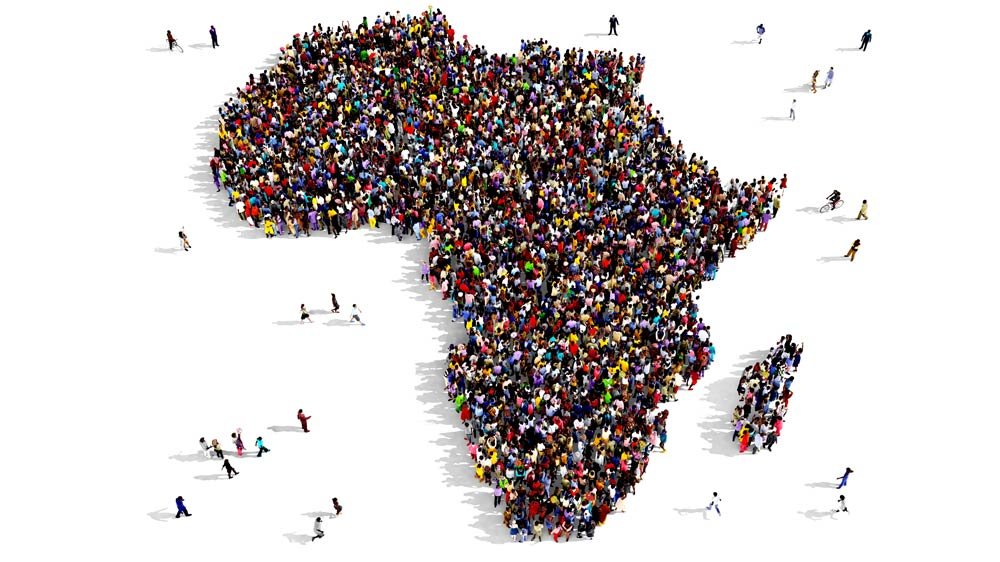
African Companies Expanding Internationally
Brand News: African Companies Expanding Internationally
African businesses are increasingly moving beyond their home markets and building brands with ambitions that extend across the continent and into the wider global economy. From fintech and telecommunications to e-commerce, manufacturing and consumer services, African companies are demonstrating that locally developed solutions can compete in international markets.
This shift represents more than business growth. It signals a changing perception of African brands, as companies increasingly position themselves as creators of scalable products and services rather than simply regional players.
From Local Success to Global Ambition
For many African companies, international expansion begins with solving a problem at home. Once that solution proves successful, the company can adapt its model for customers in other markets.
The growth of Africa’s technology sector has accelerated this process. Flutterwave, for example, has expanded its payments infrastructure across more than 34 African countries and has also developed operations and partnerships in markets outside Africa. The company reported that its international regulatory footprint had grown to 34 U.S. money transmitter licences by 2025.
These developments demonstrate how African technology companies can use digital infrastructure to cross borders without necessarily establishing a traditional physical presence in every market.
Fintech Is Leading the Expansion
Financial technology remains one of the strongest examples of African companies developing internationally relevant solutions.
In 2026, 17 African fintech companies appeared on the CNBC and Statista World’s Top 500 Fintech Companies list, with payments accounting for 13 of the African entries. Companies recognised included Flutterwave, Interswitch, Moniepoint, MTN MoMo, OPay, Paga, PalmPay, Paystack, pawaPay, Paymob and Yoco.
Their growth reflects a broader opportunity. African companies have developed expertise in mobile payments, digital wallets, cross-border transfers and financial services in markets where traditional banking infrastructure has not always been sufficient.
That experience can become a competitive advantage when these businesses enter other emerging markets.
Telecommunications Companies Are Becoming More Than Telecoms Businesses
Telecommunications companies are also expanding their influence by moving into financial services, digital infrastructure and technology.
MTN Group is one example. The company is exploring banking licences in selected markets as it looks to expand its lending and financial-services operations beyond traditional telecommunications. It is also investing in AI-ready data-centre infrastructure in South Africa and Nigeria through a joint venture.
This illustrates an important trend: international expansion is no longer simply about opening offices in another country. African companies are increasingly building interconnected ecosystems around their core businesses.
E-Commerce Companies Face a Different Challenge
African e-commerce companies have also attempted to build cross-border platforms, although their experiences show that international growth requires careful adaptation.
Jumia remains one of the continent’s best-known examples. After previously operating across a much larger number of African markets, the company has restructured its operations and currently focuses on eight countries. It is targeting a return to profitability while competing with international platforms such as Temu and Shein.
Jumia’s experience highlights an important lesson for African companies seeking international growth: expansion should not be measured simply by the number of countries entered.
A sustainable international brand needs the right market, operating model, logistics network, pricing strategy and understanding of local consumers.
Why International Expansion Matters
The internationalisation of African companies could have benefits that extend beyond individual businesses.
Successful expansion can create new jobs, attract investment, strengthen African supply chains and increase demand for locally developed technology and creative talent. It can also help change the perception of African businesses in global markets.
Africa’s growing consumer class and economic expansion are creating a larger base for companies capable of scaling. Africa’s economy is projected to grow faster than the global average in 2026, while the continent’s consumer market continues to attract both local entrepreneurs and international investors.
For African brands, the opportunity is therefore both regional and global.
What Makes an African Company Ready for Global Growth?
International expansion requires more than a successful product. Companies must understand regulatory requirements, consumer behaviour, taxation, infrastructure, competition and cultural differences in each new market.
Strong brands also need reliable technology and operational systems. A product that works exceptionally well in Nigeria, Kenya or South Africa may require significant adjustments before it can succeed in another country.
Partnerships can also make expansion easier. Local distributors, financial institutions, technology providers and business partners can provide knowledge that an expanding company may not have internally.
A New Chapter for African Brands
African companies expanding internationally represent an important development in the continent’s business story. The ambition is shifting from “How can we serve our local market?” to “How can we take an African solution to the world?”
Fintech companies are taking African payment innovations across borders. Telecommunications businesses are moving into financial and digital services. E-commerce platforms are refining their models to compete in increasingly global markets.
The journey will not always be straightforward. International expansion comes with regulatory challenges, currency risks, infrastructure limitations and strong competition. However, the companies that succeed could become the next generation of African multinational brands.
For Africa’s business ecosystem, that is perhaps the most exciting development of all: African companies are no longer waiting for global brands to enter their markets. Increasingly, they are building brands capable of entering the world themselves.
Author

A content writer with a focus on marketing psychology, brand communication, and consumer behaviour across African markets.