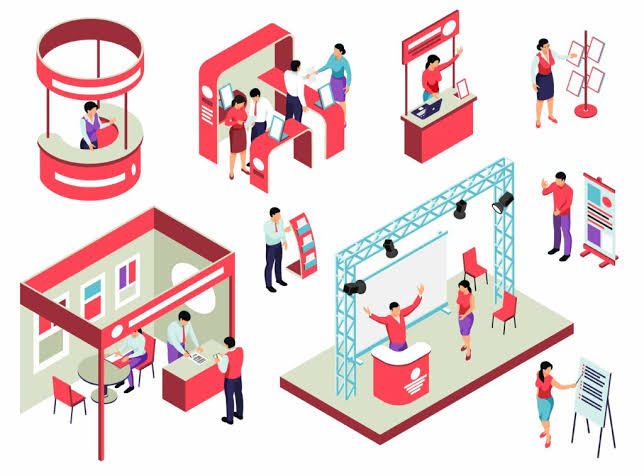
What Is Experiential Marketing?
What Is Experiential Marketing? Examples and Ideas for Brands
Traditional advertising tells people about a product. Experiential marketing invites them to experience it.
In a world where consumers see hundreds of adverts every day, simply displaying a product is often not enough. Brands now look for ways to create memorable moments that people can see, touch, taste, share, and remember.
This is where experiential marketing comes in.
From pop-up shops and product demonstrations to branded events and interactive social media campaigns, experiential marketing turns a brand message into a real-life experience. It can help businesses attract attention, build emotional connections, encourage word-of-mouth marketing, and make products easier to remember.
For African businesses, experiential marketing can be particularly useful. Markets across the continent are highly social. People often discover products through friends, communities, events, influencers, shops, and personal recommendations. A well-designed experience can therefore turn an ordinary marketing campaign into something consumers actively talk about.
What Is Experiential Marketing?
Experiential marketing is a marketing strategy that allows customers to interact directly with a brand, product, service, or campaign.
Instead of simply saying, “Our product is good,” the brand creates an opportunity for customers to experience that value themselves.
For example, a beverage company could run a tasting event where consumers sample new flavours. A fashion brand could create an interactive pop-up where customers try different outfits. A technology company could allow visitors to test a new device before buying it.
The central idea is simple: create an experience that customers associate with the brand.
Experiential marketing can happen offline, online, or through a combination of both.
Why Does Experiential Marketing Matter?
Consumers do not always remember advertisements. However, they are more likely to remember experiences that surprise, entertain, educate, or involve them.
A strong experiential campaign can achieve several goals.
1. It Creates Brand Awareness
An unusual or exciting brand activation can attract attention in crowded environments.
Imagine a skincare company setting up a colourful beauty experience inside a busy shopping centre. Visitors stop to take pictures, test products, and interact with representatives. Even people who do not purchase anything immediately may become aware of the brand.
2. It Builds Emotional Connections
People often connect with brands through feelings rather than features.
A memorable event can make customers associate a company with excitement, convenience, community, creativity, or enjoyment.
That emotional connection can influence future purchasing decisions.
3. It Encourages Word-of-Mouth Marketing
Experiential marketing does not have to stop with the people attending an event.
If an experience is interesting enough, attendees may photograph it, record videos, post it online, or tell friends about it.
One physical activation can therefore generate digital content and conversations.
4. It Lets Customers Try Before They Buy
Product demonstrations are one of the simplest forms of experiential marketing.
Customers can taste food, test electronics, try cosmetics, wear clothing, or experience a service.
This reduces uncertainty and gives consumers a reason to engage with the product.
5. It Makes a Brand More Memorable
A normal billboard might communicate a message for a few seconds.
An interactive experience can stay in someone’s memory for much longer.
That is especially valuable when several competitors offer similar products.
Examples of Experiential Marketing
Experiential marketing can take many forms. It does not always require a massive budget.
Here are some examples.
1. Product Sampling
Food, beverage, beauty, and personal-care brands can give potential customers an opportunity to try their products.
For example, a Nigerian snack company could organise sampling activities at supermarkets, universities, offices, or major events.
The goal is not simply to distribute free products. The experience should encourage interaction with the brand.
2. Pop-Up Shops
A pop-up shop is a temporary physical space created to promote a product, collection, service, or campaign.
A fashion brand might launch a weekend pop-up in Lagos where customers can see a new collection, take photographs, meet designers, and purchase limited-edition products.
Because the space is temporary, customers may feel a greater sense of urgency to visit.
3. Interactive Brand Activations
Brand activations encourage people to participate.
For instance, a telecommunications company could create a gaming zone where visitors compete for prizes while interacting with the company’s services.
The activity provides entertainment while reinforcing the brand.
4. Branded Events
Businesses can create experiences around concerts, conferences, festivals, sporting events, fashion shows, or community gatherings.
A food company, for example, could sponsor a cooking experience where attendees learn how to prepare popular meals while using the company’s products.
The brand becomes part of the activity rather than simply appearing on a banner.
5. Immersive Digital Experiences
Experiential marketing is not limited to physical locations.
Brands can create interactive websites, virtual events, augmented-reality filters, online games, challenges, and social media experiences.
An African fashion brand could create an online tool that allows customers to explore different outfits and styling combinations before making a purchase.
6. Influencer-Led Experiences
Influencers can also help brands create experiences.
Instead of simply paying an influencer to post a product photograph, a company could invite several creators to an exclusive product launch.
The creators can experience the product, produce content, interact with the brand, and share their genuine impressions with their audiences.
Experiential Marketing Ideas for African Brands
Experiential marketing does not have to involve a huge international campaign.
Here are practical ideas businesses can adapt.
Create a Local Market Experience
A food, fashion, beauty, or household brand could create an activation inside a popular market.
Customers could receive product demonstrations, samples, discounts, or educational information.
The campaign can also showcase local traders and consumers.
Organise a Customer Appreciation Day
Invite existing customers to a special event.
Offer demonstrations, games, giveaways, discounts, refreshments, or opportunities to meet the people behind the brand.
This can strengthen relationships with existing customers.
Build a Mobile Brand Experience
Instead of waiting for customers to visit a shop, take the experience to them.
A branded vehicle or mobile activation stand can visit universities, offices, markets, estates, festivals, and shopping centres.
This approach can be particularly useful for brands targeting several neighbourhoods.
Turn Product Launches Into Experiences
A product launch does not have to be a formal presentation.
A cosmetics company could organise a beauty workshop. A food company could host a tasting session. A technology company could create a hands-on testing zone.
The product becomes the centre of an activity.
Create a Social Media Challenge
Online experiences can encourage users to participate and create content.
For example, a fashion brand could launch a styling challenge where customers create outfits using one product.
A food brand could ask customers to share creative recipes.
The campaign can then feature selected customer content.
How to Create an Effective Experiential Marketing Campaign
A successful experience begins with a clear objective.
First, determine what the campaign should achieve. Is the goal awareness, product trials, sales, customer loyalty, content creation, or community engagement?
Next, understand the target audience.
An experience designed for university students will probably look very different from one designed for corporate executives or parents.
Then create an experience that matches the brand.
A premium brand may focus on exclusivity and personalised service. A youth-focused brand may prioritise entertainment, creativity, music, and social sharing.
Location also matters.
Choose places where the target audience naturally spends time. This could include shopping centres, markets, campuses, offices, events, or digital platforms.
Finally, make the experience easy to share.
Photo opportunities, interactive displays, memorable packaging, games, hashtags, and user-generated content can extend the campaign beyond the physical event.
How to Measure Experiential Marketing
Experiential marketing should not be judged only by how attractive an event looks.
Brands can measure:
- Number of attendees
- Product samples distributed
- Product trials
- Leads generated
- Sales during the campaign
- Social media mentions
- User-generated content
- Website visits
- New followers
- Customer feedback
- Repeat purchases
The appropriate metrics depend on the campaign’s objective.
For example, a product-sampling campaign may focus heavily on trials and subsequent purchases. A brand-awareness activation may pay more attention to reach, mentions, content, and audience engagement.
The Future of Experiential Marketing
Experiential marketing is increasingly combining physical and digital experiences.
A customer might discover a campaign on TikTok, attend a physical activation, scan a QR code, purchase a product online, and later share their experience on Instagram.
This creates a connected customer journey.
For African brands, this presents an opportunity to combine the continent’s strong community culture with digital platforms and creative storytelling.
The most effective campaigns will not necessarily be the biggest or most expensive. They will be the ones that understand their audience and create experiences that feel relevant.
Conclusion
Experiential marketing is ultimately about turning marketing from something people simply see into something they can experience.
Whether it is a product tasting, pop-up shop, community event, influencer activation, interactive campaign, or digital challenge, the objective is to create a meaningful connection between consumers and the brand.
For businesses in Nigeria and across Africa, the possibilities are broad. A well-planned experience can generate awareness, encourage product trials, create social media conversations, and strengthen customer relationships.
The key is to start with the audience, define a clear objective, and design an experience that gives people a genuine reason to participate.
When customers do more than notice a brand, when they interact with it, enjoy it, remember it, and talk about it, marketing becomes an experience worth sharing.
Author

A content writer with a focus on marketing psychology, brand communication, and consumer behaviour across African markets.