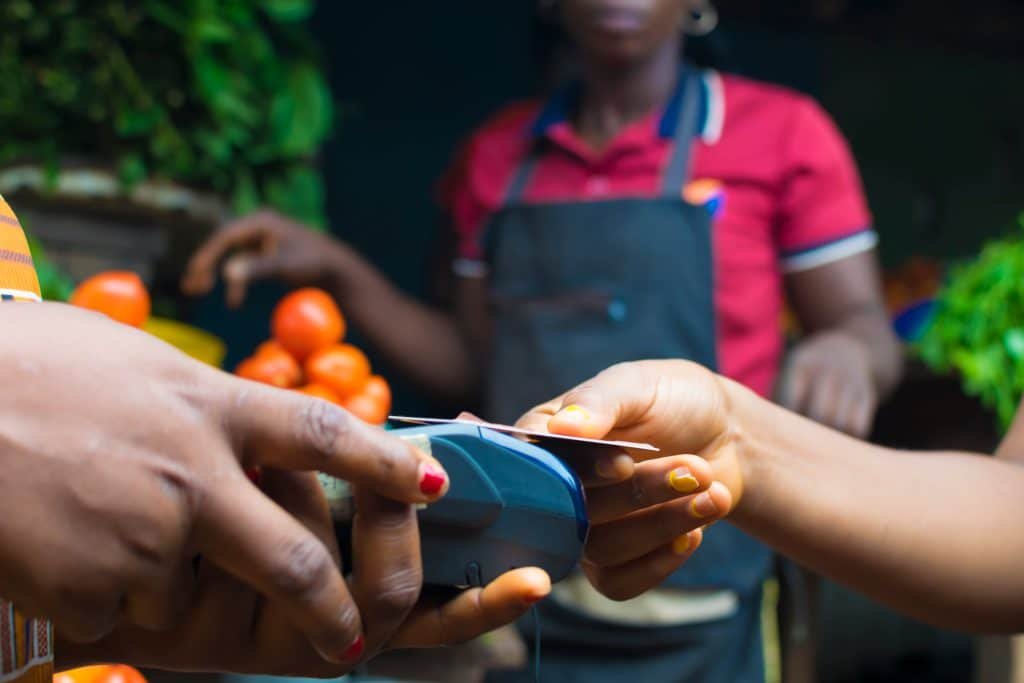
Digital Payment Innovations Revolutionizing African Commerce
(adsbygoogle = window.adsbygoogle || []).push({});
Africa is experiencing a remarkable digital transformation, and one of the most significant drivers of this change is the rapid evolution of digital payments.
From bustling urban centers to remote rural communities, millions of Africans are embracing cashless transactions through mobile money, digital wallets, QR code payments, online banking, and fintech platforms.
What was once a continent heavily dependent on cash is now becoming a global leader in innovative payment solutions. Businesses of all sizes, from street vendors to multinational retailers, are discovering that digital payments offer greater convenience, security, and opportunities for growth.
(adsbygoogle = window.adsbygoogle || []).push({});
As internet connectivity improves and smartphone adoption continues to rise, digital payment innovations are reshaping how Africans buy, sell, save, and invest.
The Rise of Digital Payments in Africa
Several factors have contributed to the widespread adoption of digital payments across the continent.
These include:
(adsbygoogle = window.adsbygoogle || []).push({});
- Increased smartphone ownership
- Expanding internet coverage
- Growth of fintech startups
- Government support for financial inclusion
- Improved digital infrastructure
- Growing trust in electronic transactions
Unlike many developed economies that transitioned from credit cards to digital wallets, many African countries skipped traditional banking systems altogether. Mobile-first payment solutions became the preferred option because they addressed the realities of limited banking infrastructure.
Today, millions of people can send money, receive payments, pay bills, and purchase goods directly from their mobile phones.
Mobile Money: Africa’s Payment Revolution
Perhaps no innovation has transformed African commerce more than mobile money. Mobile money allows users to store funds electronically and perform financial transactions without requiring a traditional bank account. Customers can deposit money through authorized agents, transfer funds instantly, and make purchases using their phones.
(adsbygoogle = window.adsbygoogle || []).push({});
This innovation has significantly expanded financial inclusion, especially in rural communities where banks are scarce.
Some benefits include:
- Easy money transfers
- Secure storage of funds
- Lower transaction costs
- Convenient bill payments
- Increased access to financial services
- Faster business transactions
Small traders who once relied entirely on cash can now accept electronic payments, improving both efficiency and customer satisfaction.
Fintech Startups Driving Innovation
Africa’s fintech ecosystem has become one of the fastest-growing sectors on the continent.
Young entrepreneurs are developing creative solutions that solve everyday financial challenges. These companies offer services such as:
- Digital wallets
- Online payment gateways
- Cross-border money transfers
- Merchant payment systems
- Buy-now-pay-later services
- Digital lending platforms
- Savings and investment applications
These innovations make financial services more accessible to individuals and businesses while encouraging entrepreneurship and economic growth.
QR Code Payments Are Expanding
QR code payments have become increasingly popular among African retailers. Instead of handling cash or using expensive card terminals, customers simply scan a QR code with their smartphones to complete transactions.
This payment method offers several advantages:
- Faster checkout
- Reduced cash handling
- Lower operational costs
- Improved transaction records
- Greater convenience for customers
Small businesses particularly benefit because QR payment systems require minimal investment.
E-Commerce Growth Through Digital Payments
Africa’s e-commerce sector has expanded rapidly in recent years. Digital payment systems have removed one of the biggest barriers to online shopping, the difficulty of making secure electronic payments.
Consumers can now:
- Shop online
- Pay instantly
- Receive digital receipts
- Track purchases
- Complete transactions without visiting physical stores
This has created opportunities for entrepreneurs to reach customers far beyond their local communities. Online marketplaces continue to grow as consumers become more comfortable purchasing products digitally.
Cross-Border Trade Is Becoming Easier
African businesses increasingly trade across national borders. Modern digital payment platforms simplify international transactions by reducing delays, lowering fees, and improving transparency.
This is particularly important as regional trade agreements encourage greater economic cooperation across the continent.
Digital payment innovations help businesses:
- Pay international suppliers
- Receive payments from foreign customers
- Convert currencies efficiently
- Reduce paperwork
- Improve transaction speed
These improvements strengthen Africa’s position in global commerce.
Empowering Small and Medium-Sized Enterprises
Small and medium-sized enterprises (SMEs) form the backbone of most African economies.
Digital payment solutions allow these businesses to:
- Accept multiple payment methods
- Build customer trust
- Keep accurate financial records
- Improve cash flow management
- Access business financing
Financial institutions often use digital transaction histories to assess loan applications, giving businesses with consistent electronic records better opportunities to secure funding.
Financial Inclusion Reaching Millions
One of the greatest achievements of digital payments is expanding financial inclusion.
Many Africans who previously lacked access to formal banking services can now participate in the digital economy.
This includes:
- Farmers
- Market traders
- Students
- Freelancers
- Rural communities
- Women entrepreneurs
Access to digital financial services enables individuals to save securely, receive salaries, access insurance, and participate in economic activities previously beyond their reach.
Government Services Going Digital
Many African governments are embracing digital payments to improve public service delivery.
Citizens increasingly use electronic platforms to:
- Pay taxes
- Renew licenses
- Pay utility bills
- Register businesses
- Access government services
Digital government payments improve transparency while reducing administrative costs and opportunities for fraud.
Enhanced Security and Fraud Prevention
Modern payment platforms incorporate advanced security technologies.
These include:
- Biometric authentication
- PIN verification
- Two-factor authentication
- Transaction alerts
- Encryption
- Artificial intelligence fraud detection
Although cybercrime remains a concern, continuous improvements in cybersecurity help protect consumers and businesses from financial fraud.
Education also plays a vital role in helping users recognize scams and safeguard their personal information.
Challenges Still Facing Digital Payments
Despite impressive progress, several challenges remain.
These include:
- Limited internet access in some regions
- High smartphone costs
- Digital literacy gaps
- Cybersecurity threats
- Regulatory differences between countries
- Network interruptions
- Transaction fees for some services
Addressing these issues will require continued collaboration between governments, financial institutions, telecom operators, and technology companies.
The Future of Digital Payments in Africa
The future looks exceptionally promising.
Emerging technologies are expected to further transform African commerce, including:
- Artificial intelligence-powered financial services
- Blockchain-based payment systems
- Instant cross-border settlements
- Central bank digital currencies
- Voice-enabled banking
- Contactless payment solutions
- Embedded finance within everyday applications
As innovation continues, digital payments will become even more seamless, affordable, and accessible. The integration of financial technology into everyday commerce will help accelerate Africa’s economic development while creating new opportunities for businesses and consumers alike.
Conclusion
Digital payment innovations are fundamentally changing how commerce operates across Africa. By expanding financial inclusion, supporting entrepreneurs, enabling e-commerce, and simplifying cross-border trade, these technologies are unlocking new economic opportunities throughout the continent.
While challenges such as cybersecurity, infrastructure, and digital literacy remain, the pace of innovation suggests that Africa’s digital economy will continue to grow rapidly. Businesses that embrace secure, efficient, and customer-friendly payment technologies will be well-positioned to thrive in this evolving landscape.
As digital payments become increasingly integrated into everyday life, they will continue to power entrepreneurship, strengthen local economies, and shape the future of African commerce.
(adsbygoogle = window.adsbygoogle || []).push({});
Author

A content writer with a focus on marketing psychology, brand communication, and consumer behaviour across African markets.