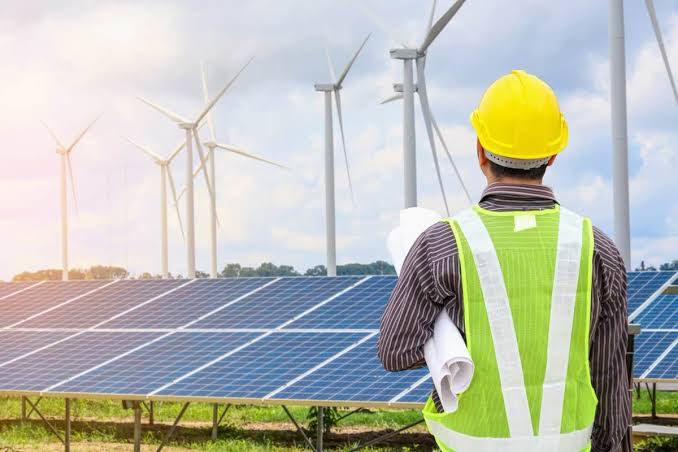
Career Paths in Africa’s Fast-Growing Renewable Energy Sector
Africa’s renewable energy sector is becoming one of the continent’s most promising areas for employment, entrepreneurship and professional growth.
With abundant sunshine, strong wind resources, expanding hydropower potential and a growing need for reliable electricity, countries across Africa are investing in cleaner and more decentralized energy solutions. This growth is creating opportunities far beyond traditional engineering roles. Renewable energy companies need technicians, project managers, financial analysts, sales professionals, software developers, environmental specialists and skilled tradespeople.
For young Africans considering their career options, renewable energy offers an opportunity to build valuable skills while contributing to a major economic and environmental transition.
Why Renewable Energy Is Growing in Africa
Energy access remains a major challenge across the continent. At the same time, businesses, households and communities increasingly need affordable and dependable electricity.
Solar power has become particularly important because solar systems can serve areas where extending conventional electricity grids may be expensive or difficult. Mini-grids, solar home systems, commercial installations and battery storage are creating new markets for energy businesses.
Governments, development organisations and private investors are also supporting renewable energy projects, increasing demand for professionals who understand both technology and local market conditions.
Solar Energy Careers
Solar energy is one of the most accessible entry points into Africa’s renewable energy industry.
Solar installation technicians install, maintain and repair photovoltaic systems for homes, businesses and larger projects. With appropriate technical training, this career can provide opportunities in both employment and self-employment.
Solar design engineers and technicians also assess electricity needs, calculate system requirements and design installations. As commercial and industrial solar projects become more sophisticated, professionals with electrical engineering and solar-system design skills can take on larger responsibilities.
Sales representatives and energy consultants are another important part of the industry. They help customers understand solar solutions, compare options and choose systems that match their energy needs and budgets.
Engineering and Technical Careers
Renewable energy projects require a wide range of technical professionals.
Electrical engineers can work on power systems, solar installations, battery storage and grid connections. Mechanical engineers may contribute to wind turbines, manufacturing equipment and other energy technologies.
Civil engineers are also important because renewable energy projects often require foundations, access roads, buildings and other physical infrastructure.
Technicians with practical skills in electrical systems, electronics, wiring, equipment maintenance and troubleshooting can find opportunities throughout the renewable energy value chain.
Project Management
Renewable energy projects involve multiple teams, suppliers, contractors, regulators and communities. This makes project management an important career path.
Project managers coordinate activities from planning and financing through construction and commissioning. They monitor budgets, schedules, contractors and project risks.
People entering this field do not necessarily need to begin as engineers. Strong organisational, communication, budgeting and leadership skills can provide a foundation for project management roles.
Renewable Energy Finance
Renewable energy requires significant investment, creating opportunities for professionals in finance and investment.
Financial analysts can evaluate renewable energy projects, estimate returns and assess financial risks. Investment professionals may work with banks, private equity firms, development finance institutions or energy companies.
There are also opportunities in project finance, where professionals structure funding arrangements that allow large renewable energy projects to be developed.
For people with backgrounds in accounting, economics, banking or finance, renewable energy can therefore provide an alternative career path without requiring a technical engineering degree.
Energy Entrepreneurship
The renewable energy sector also provides opportunities for entrepreneurs.
Businesses can provide solar installation services, battery solutions, energy audits, maintenance, equipment distribution and financing services. Entrepreneurs can also develop digital platforms that connect customers with energy providers or help households monitor and manage their electricity consumption.
In many African markets, businesses that understand local problems can find opportunities by offering practical solutions rather than simply selling equipment.
Research, Data and Technology
The future of renewable energy will increasingly depend on technology and data.
Software developers and data analysts can contribute to energy-management platforms, smart meters, remote monitoring systems and mobile payment solutions.
Researchers can work on improving battery storage, solar efficiency, energy forecasting and grid management.
Artificial intelligence and data analytics may also become increasingly useful for predicting electricity demand, identifying equipment problems and improving the performance of renewable energy systems.
Environmental and Sustainability Careers
Renewable energy projects must also consider their environmental and social impact.
Environmental specialists assess potential effects on ecosystems and communities. Sustainability professionals can help companies measure environmental performance, comply with regulations and develop responsible business practices.
These careers are particularly relevant for people with backgrounds in environmental science, geography, sustainability, development studies and related disciplines.
Skills Young Africans Should Develop
People interested in renewable energy should consider developing a combination of technical and transferable skills.
Useful technical skills include electrical installation, solar system design, energy auditing, battery technology, data analysis and energy management.
Soft skills matter too. Communication, problem-solving, teamwork, customer service and project management can help professionals progress into leadership positions.
Digital literacy is becoming increasingly important because modern energy systems rely on software, monitoring platforms and connected devices.
Practical experience can also make a significant difference. Internships, apprenticeships, volunteering and small personal projects can help beginners build portfolios and demonstrate their abilities to employers.
Opportunities Beyond Major Cities
Renewable energy can create employment outside Africa’s largest urban centres.
Solar mini-grids, agricultural energy systems and rural electrification projects require technicians and project teams in smaller towns and communities. This creates opportunities for professionals who are willing to work in emerging markets rather than limiting their careers to major cities.
For local entrepreneurs, rural energy needs can also represent an important business opportunity.
Building a Long-Term Career
The renewable energy industry is still developing, so professionals should think beyond their first job.
Someone might begin as a solar technician, gain field experience and eventually become a site supervisor or project manager. A finance graduate could start as an analyst and progress into renewable energy investment. An engineer could specialise in battery storage, grid integration or large-scale solar projects.
Continuous learning will be important because technologies, regulations and business models will continue to change.
The Future of Renewable Energy Careers in Africa
Africa’s renewable energy transition is creating more than a new source of electricity. It is creating an emerging employment ecosystem involving engineering, construction, finance, technology, sales, environmental management and entrepreneurship.
For young Africans, this means the sector offers multiple entry points depending on their education, interests and skills.
The strongest opportunities are likely to emerge for people who combine specialised knowledge with an understanding of Africa’s unique energy challenges. As investment in renewable energy continues, professionals who can help make clean energy affordable, reliable and accessible will remain increasingly valuable.
Author

A content writer with a focus on marketing psychology, brand communication, and consumer behaviour across African markets.