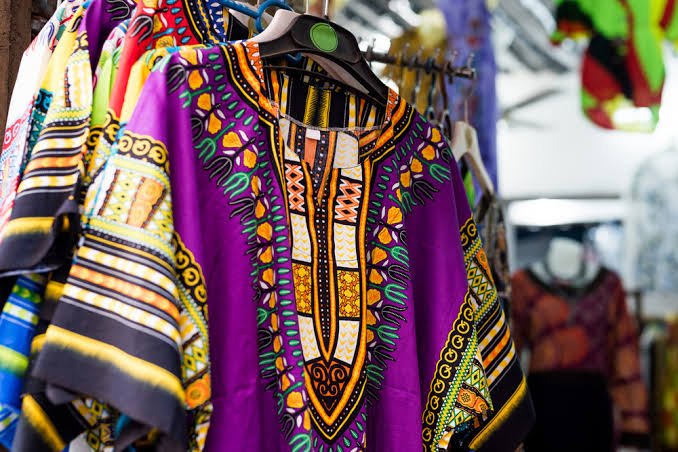
Seasonal Wear Adapted for African Markets
Fashion Sweaters and Seasonal Wear Adapted for African Markets
Fashion is often associated with changing seasons. In colder parts of the world, autumn and winter bring heavy coats, wool sweaters, scarves, boots, and other layers. In Africa, however, seasonal fashion works differently. The continent has diverse climates, from the cool highlands of East Africa to the dry heat of the Sahel and the humid coastal weather of West Africa.
This diversity creates an interesting opportunity for fashion brands. Instead of simply importing global seasonal trends, brands can adapt sweaters and other seasonal clothing to suit African climates, lifestyles, cultures, and consumer preferences.
For African consumers, seasonal wear is not always about surviving extreme cold. It can be about staying comfortable during cooler evenings, dressing appropriately for changing weather, adding layers to an outfit, or embracing a particular fashion trend. This makes adaptability one of the most important factors in designing seasonal fashion for African markets.
Understanding Africa’s Seasonal Diversity
Africa cannot be treated as one large fashion market with identical weather conditions.
Countries such as Kenya, Ethiopia, Rwanda, Lesotho, and parts of South Africa experience genuinely cold periods. Higher-altitude cities can become surprisingly chilly, especially at night and during certain months.
Meanwhile, cities such as Lagos, Accra, Abidjan, and Douala generally experience warmer temperatures. Yet even these markets have periods when lightweight sweaters, cardigans, hoodies, and jackets become useful.
Northern African markets have another pattern. Morocco, Algeria, Tunisia, and Egypt can experience cooler winters that create stronger demand for traditional cold-weather clothing.
Therefore, fashion brands need to understand local climate patterns before deciding which seasonal products to sell.
A thick wool sweater that performs well in Johannesburg may not be practical for everyday wear in Lagos. A lightweight knitted cardigan, however, could appeal to consumers who want a stylish layer without excessive heat.
Lightweight Sweaters Can Work Across Warm Markets
One of the biggest opportunities for African fashion brands is the lightweight sweater.
Instead of producing extremely thick garments, designers can experiment with breathable fabrics and lighter knits. Cotton blends, lightweight wool, viscose, and other breathable materials can provide warmth without making the wearer uncomfortable.
This is particularly relevant in tropical and subtropical markets.
A lightweight sweater can be worn:
- During cool mornings
- In air-conditioned offices
- On evening outings
- During road trips
- While travelling between cities
- During rainy or windy weather
- As part of a layered outfit
The versatility makes the garment more attractive to consumers who may not experience a traditional winter.
Hoodies and Sweatshirts Are Becoming Everyday Fashion
Hoodies and sweatshirts have moved beyond their original association with cold weather. Across many African cities, they are now part of casual streetwear.
Young consumers can pair them with jeans, cargo trousers, skirts, shorts, sneakers, or even more formal pieces.
For brands targeting African youth markets, this creates room for creative designs.
Local expressions, African artwork, cultural references, sports influences, music-inspired graphics, and regional identities can all be incorporated into sweater and sweatshirt designs.
A Nigerian streetwear brand, for example, might incorporate Lagos-inspired graphics. A Kenyan brand could draw inspiration from Nairobi’s urban culture. A Ghanaian label might use local expressions, patterns, or artistic references.
The result is seasonal fashion that feels connected to the consumer rather than copied from another market.
Cultural Identity Should Influence Seasonal Fashion
African fashion has a major advantage: cultural diversity.
Traditional textiles, patterns, colours, embroidery techniques, symbols, and artistic traditions can inspire modern seasonal clothing.
Designers do not necessarily have to reproduce traditional garments exactly. Instead, they can reinterpret cultural elements in contemporary products.
Imagine a simple knitted sweater with subtle African-inspired patterns around the collar or sleeves. Another design might combine a modern sweatshirt silhouette with locally inspired artwork.
This approach gives consumers something more distinctive.
It also allows brands to participate in global fashion conversations while maintaining a clear African identity.
Colour Choices Matter
Colour can significantly influence the appeal of seasonal clothing.
International winter fashion often leans heavily toward black, grey, brown, navy, beige, and other muted tones. These colours certainly have a place in African wardrobes. However, African consumers also have strong relationships with vibrant colours.
Designers can therefore experiment with combinations that reflect local tastes.
Earth tones can be paired with brighter accents. Neutral sweaters can feature colourful patterns. Simple hoodies can use bold graphics. Bright colours can also make seasonal pieces feel less heavy and restrictive.
The goal is not to create clothing that looks stereotypically “African.” Instead, brands should understand what their target consumers actually wear and build designs around those preferences.
Seasonal Wear Must Consider Comfort
Comfort is especially important in warmer African climates.
A consumer may like the appearance of a thick sweater but avoid purchasing it if the garment is uncomfortable in local weather.
This makes fabric selection critical.
Brands should consider:
- Breathability
- Weight
- Moisture management
- Softness
- Durability
- Ease of washing
- Drying time
- Layering ability
Clothing that works in Africa needs to respond to African living conditions.
For example, a garment designed for a consumer who frequently travels by public transport may need different features from one designed for someone who spends most of the day in an air-conditioned office.
Fashion brands should therefore think beyond appearance.
Seasonal Fashion Can Also Respond to Rainy Weather
Seasonal fashion in Africa is not limited to cold weather.
Rainy seasons create demand for jackets, lightweight outerwear, hoodies, waterproof layers, windbreakers, and other practical clothing.
This creates an opportunity for brands to combine fashion and function.
A lightweight water-resistant jacket can serve as both an everyday fashion piece and protection from unexpected rain. A stylish hoodie can provide warmth during a rainy evening. A lightweight jacket can be useful for commuters who move around the city throughout the day.
These products can appeal to consumers because they solve practical problems while still looking fashionable.
Local Production Can Create Better Products
African fashion businesses also have an opportunity to produce seasonal clothing locally.
Local manufacturing can help brands respond more quickly to consumer preferences. Instead of producing large quantities months in advance, smaller businesses can test designs and adjust production based on demand.
Local production can also encourage experimentation.
A brand might release a small collection of lightweight sweaters, monitor customer reactions, and then produce more of the popular designs.
This approach can reduce the risk of holding large amounts of unsold inventory.
It can also support local textile workers, manufacturers, designers, photographers, models, and other professionals within the fashion ecosystem.
Pricing Is Another Major Consideration
Seasonal clothing must also match local purchasing power.
Imported sweaters can become expensive because of shipping costs, duties, currency fluctuations, and other supply-chain expenses. For many African consumers, this can make imported seasonal fashion inaccessible.
Brands can respond by offering different price levels.
A basic collection could focus on affordable everyday pieces. A premium collection could use higher-quality materials and more distinctive designs.
This allows brands to reach different consumer groups without assuming that every customer has the same budget.
African Fashion Brands Can Build Seasonal Collections Around Local Calendars
Another opportunity lies in changing the definition of the fashion season.
Instead of copying the European autumn-winter calendar, African brands can build collections around local events and weather patterns.
For example, a brand might create a “Cool Season Collection,” “Rainy Day Edit,” “Travel Collection,” or “City Nights Collection.”
This language can make seasonal clothing more relevant.
A collection marketed around chilly evenings, travel, festive gatherings, or rainy-season commuting may connect more naturally with consumers than a generic “winter collection.”
Social Media Is Helping Seasonal Trends Spread
Fashion trends can now move quickly across African cities.
Instagram, TikTok, Pinterest, YouTube, and other platforms expose consumers to international trends while also giving African designers a space to showcase their own interpretations.
This creates an opportunity for brands to demonstrate how their seasonal products can actually be worn in African environments.
Instead of simply displaying a sweater on a model, a brand can show different styling options.
One sweater could be styled for work, another for a casual outing, and another for travel.
This helps consumers understand the product’s versatility.
The Future of Seasonal Fashion in Africa
The future of seasonal wear in Africa is likely to be less about copying traditional winter fashion and more about adaptation.
Brands that understand local weather, culture, purchasing power, lifestyles, and fashion preferences can develop products that feel more relevant.
Sweaters, hoodies, cardigans, jackets, and other seasonal pieces can succeed when they are designed around real consumer needs.
The African market does not require fashion brands to choose between global trends and local identity. There is room for both.
A modern African sweater can have an international silhouette, breathable fabric, locally inspired details, practical functionality, and a price that makes sense for its target customer.
That combination could define the next stage of seasonal fashion on the continent.
Conclusion
Fashion seasons may look different across Africa, but that does not mean seasonal clothing has no place in the market. It simply means brands need to rethink what seasonal fashion means.
Lightweight sweaters, breathable hoodies, versatile jackets, cardigans, and rain-friendly outerwear can all become valuable parts of African wardrobes when they are properly adapted.
The opportunity is not to convince African consumers to dress like people in colder countries. It is to create seasonal clothing that works for African lives.
For fashion businesses, that means paying attention to climate, culture, comfort, affordability, local production, and changing consumer behaviour.
The most successful seasonal collections may ultimately be those that understand one simple principle: African fashion does not need to imitate the seasons elsewhere. It can create its own.
Author

A content writer with a focus on marketing psychology, brand communication, and consumer behaviour across African markets.