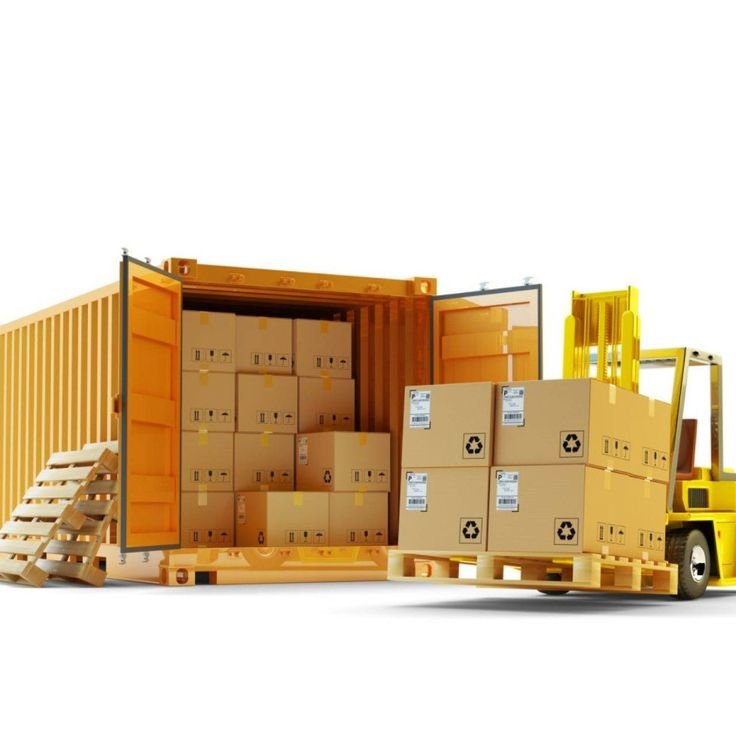
How to Import Machinery From China to Nigeria
How to Import Machinery From China to Nigeria: The Full Process and Timelines
Importing machinery from China to Nigeria involves choosing the right equipment, verifying the supplier, confirming Nigerian import requirements, arranging shipping, clearing customs and transporting the machinery to its final destination. The process can take several weeks or longer, depending on manufacturing time, shipping arrangements, documentation, customs clearance and inland delivery.
The most important step is to confirm the machine’s exact classification and compliance requirements before paying the supplier or shipping the goods. A low factory price can become an expensive mistake if the machinery arrives with missing documents, unsuitable specifications or unexpected import charges.
Step 1: Define the Machinery You Need
Start by documenting the machine’s purpose, output capacity, technical specifications and operating environment. If you are purchasing equipment for a factory, farm, workshop or construction site, identify the performance requirements that matter most.
Ask the supplier to provide:
- Manufacturer and model number.
- Technical specifications and production capacity.
- Power requirements and compatibility with your facility.
- Dimensions, gross weight and packing details.
- Installation and commissioning requirements.
- Warranty terms and spare-parts availability.
- User manuals and maintenance instructions.
- Applicable test reports, certificates and compliance documents.
If possible, have a qualified technician review the specifications. That is especially important for used machinery, specialised industrial equipment and machines that require local installation.
Step 2: Find and Verify the Chinese Supplier
Compare suppliers on product suitability, manufacturing experience, documentation, communication, service support and total cost. Do not rely solely on a catalogue, social-media page or low quotation.
Request a formal pro forma invoice and confirm the supplier’s registered business details. For a high-value order, consider an independent factory audit, pre-shipment inspection or equipment test witnessed by a qualified professional.
Before paying, agree on the model, quantity, accessories, packaging, spare parts, production deadline, inspection procedure and remedy if the machinery fails to meet the agreed specification. Keep all changes in writing.
Step 3: Agree on Price, Payment and Delivery Terms
Ask the supplier to explain what the quotation includes. A price may cover only the machinery at the factory, while freight, insurance, export handling, destination charges and Nigerian delivery may remain your responsibility.
Discuss the appropriate Incoterms® rule with your supplier and freight forwarder. The selected term determines important responsibilities for transport, risk and costs, but it does not replace your need to understand Nigerian import requirements.
Also agree on the payment schedule, production milestones, inspection conditions and required shipping documents. Avoid paying the full balance before verifying the contractual conditions for release and shipment.
Step 4: Confirm Nigerian Import Rules and Tariff Classification
Before shipping, determine the correct Harmonized System (HS) classification for the machinery. The product’s function, technical design and intended use can affect the classification, so do not choose a code based only on the supplier’s description.
Consult the Nigeria Customs Service tariff reference and ask a qualified customs agent to review the proposed classification. Nigeria Customs also announced fiscal policy measures and tariff amendments in July 2026, so importers should confirm the current schedules and any applicable adjustments before calculating the landed cost.
Check whether the machinery is subject to import restrictions, standards requirements, permits or additional documentation. Where applicable, confirm requirements with the relevant regulator before shipment. Do not assume every machine has the same duty rate or clearance process.
Step 5: Prepare the Documents
Your freight forwarder or customs agent should provide a transaction-specific document list. Depending on the goods and current rules, the documents may include:
- Pro forma invoice and final commercial invoice.
- Purchase order or sales contract.
- Packing list showing package dimensions and weights.
- Bill of lading or air waybill.
- Certificate of origin, where required.
- Insurance certificate, if insured.
- Technical specifications and product manuals.
- Relevant standards certificates, permits or approvals.
- Customs declaration and other applicable import documentation.
- Evidence of payment and any documents required by the chosen payment or financing arrangement.
Important: This is a planning checklist, not a complete legal list for every shipment. Ask your customs agent to confirm the documents required for your specific machine, HS code, origin, shipment method and intended use.
Step 6: Arrange Freight and Cargo Insurance
Choose between sea freight and air freight based on size, weight, urgency and budget. Large industrial machinery commonly requires careful planning for container dimensions, loading equipment, securing, lifting and destination handling.
Ask your freight forwarder to provide a written quotation that identifies origin charges, freight, insurance, port or terminal charges, destination handling, storage conditions and inland transport assumptions. Confirm who will arrange loading, unloading and any specialised lifting equipment.
For oversized or unusually heavy machinery, plan the final delivery before the cargo leaves China. A port-to-warehouse quotation may not include the crane, low-bed trailer, escort or installation team needed at your facility.
Step 7: Track the Shipment and Prepare for Customs Clearance
Once the machinery ships, obtain the shipping reference and keep in contact with your freight forwarder. Send the required documents to your customs agent early enough to identify missing information before arrival.
The agent should confirm the declaration details, tariff classification, applicable taxes and duties, regulatory requirements and expected clearance steps. If the authorities request additional information or inspection, respond promptly and retain copies of all official communications.
Do not treat a preliminary duty estimate as a final assessment. Customs treatment can depend on the precise classification, customs value, applicable policy measures and the nature of the goods.
Step 8: Clear Customs and Pay Applicable Charges
Your customs agent can help prepare the declaration and explain the charges assessed for the shipment. Before making payment, request an itemised breakdown and verify the relevant official assessment and payment channels.
The total may include applicable import duty, taxes, levies, port or terminal charges, agency fees, storage and inspection-related costs. Not every item applies to every shipment, and the amount can vary substantially by machinery type and classification.
Use the Nigeria Customs Service tariff reference and the current fiscal-policy documents to confirm the relevant treatment. The 2026 tariff amendments notice provides further context on the announced policy changes.
Step 9: Arrange Last-Mile Delivery and Installation
After clearance, move the machinery to your factory, farm, warehouse or project site. Confirm access roads, vehicle capacity, unloading equipment, site readiness and the receiving team’s availability before dispatch.
For suitable shipments, Easer Lifestyle’s 3PL/4PL logistics service can be a starting point for discussing business logistics support. However, confirm directly whether the provider can handle your machine’s dimensions, weight, route, specialised vehicle and lifting requirements; do not assume standard delivery covers heavy or oversized cargo.
Finally, inspect the machinery on arrival, record any visible damage and compare the delivered items against the contract and packing list. Arrange installation, testing and staff training according to the manufacturer’s instructions.
Indicative Costs and Timelines
The following table is a planning guide, not a quote or a guaranteed timetable. Actual costs depend on machinery size, route, shipping method, tariff classification, applicable policy measures, port conditions and the delivery location.
| Stage | Indicative planning timeline | Cost items to budget for |
|---|---|---|
| Supplier selection and verification | 1–3 weeks or longer | Samples, factory audit, inspection and professional advice |
| Production or preparation | 2–12+ weeks, depending on the machine | Equipment price, customisation, spare parts and packaging |
| Export preparation and booking | Several days to 2 weeks | Export handling, documentation and freight booking |
| International shipping | Several weeks by sea; air freight may be faster | Freight, insurance and handling |
| Customs clearance | Variable; allow for inspections or document queries | Applicable duties, taxes, levies, agent fees and terminal charges |
| Inland delivery | A few days to several weeks, depending on distance and equipment | Trucking, loading, unloading, permits and specialised handling |
| Installation and commissioning | From days to several weeks | Technician fees, electrical work, foundations, training and testing |
Do not calculate the final landed cost by adding only the supplier price and freight. Instead, create a line-by-line budget that includes all known charges, a contingency allowance and the costs of making the machine operational.
Frequently Asked Questions
1. How long does it take to import machinery from China to Nigeria?
It depends on whether the machine is ready for shipment or needs manufacturing, the freight method, route, documentation and customs clearance. Plan each stage separately and request a shipment-specific estimate from the supplier and freight forwarder.
2. How much import duty will I pay on machinery?
There is no single duty rate for all machinery. The applicable treatment depends on the correct tariff classification and current Nigerian fiscal measures, so confirm it with Nigeria Customs or a qualified customs agent before shipment.
3. Which documents do I need to import machinery?
Common documents include the commercial invoice, packing list, transport document, technical specifications and applicable permits or certificates. The final list depends on the machine and current requirements; ask your customs agent to confirm it before the goods leave China.
4. Should I buy new or used machinery from China?
That depends on your budget, production needs, reliability requirements and access to spare parts. For used equipment, arrange a detailed inspection and confirm the machine’s condition, operating hours, maintenance history and compliance before payment.
5. Can a logistics company deliver machinery after customs clearance?
Some logistics providers handle general cargo, while heavy or oversized machinery may require specialised vehicles, lifting equipment and route planning. Confirm the provider’s capabilities, insurance, handling limits and full delivery scope before booking.
Plan the Import Before You Pay
A successful machinery import begins with accurate specifications, a verified supplier and a realistic landed-cost estimate. By confirming the tariff classification, compliance requirements, documents and delivery arrangements before shipment, you can reduce avoidable delays and financial surprises.
Author

A content writer with a focus on marketing psychology, brand communication, and consumer behaviour across African markets.