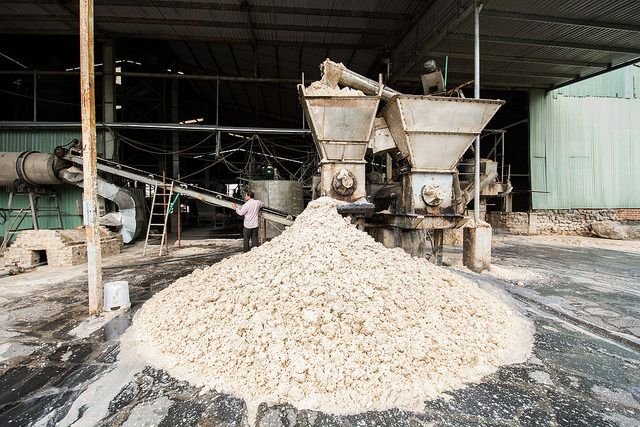
Cassava Processing Equipment for Garri and Starch Production
Starting a cassava processing business in Nigeria requires more than buying a grater and frying pan.
The right equipment depends on what you intend to produce, how much cassava you can source daily, your target customers, available electricity, water supply and the size of your processing facility.
For a small garri business, you may begin with a cassava grater, hydraulic press, sieve, frying pan and basic packaging equipment. A larger operation producing garri, cassava flour or starch will need a more integrated processing line involving washing, peeling, grinding, dewatering, drying, milling, separation and packaging.
The smartest investment is not necessarily the biggest machine. It is the equipment that matches your raw-material supply, production target and market demand.
Quick answer: What machines do you need?
| Product | Essential equipment |
|---|---|
| Garri | Cassava washer/peeler, grater, dewatering press, fermentation bags or containers, sieve, fryer, cooling equipment and packaging machine |
| Cassava flour | Washer/peeler, grater or chipper, press, dryer, milling machine, sieve and packaging machine |
| Cassava starch | Washer, peeling system, rasper/grater, starch extraction equipment, screening, settling or separation system, dewatering and drying equipment |
| Multi-product processing | Shared washing, peeling and grating equipment, with dedicated processing lines for the final products |
Recommended starting capacity: For a first-time entrepreneur, consider a small commercial garri operation processing approximately 300–500kg of fresh cassava per day, provided you can reliably source the roots and sell the output. If you have established farm supply, bulk buyers and a larger budget, you can evaluate a 1-tonne-per-day or larger system.
Be clear about the capacity measurement: some suppliers quote fresh cassava input per hour, while others quote finished garri output per day. These are not interchangeable.
1. Cassava washing and peeling machine
The first stage involves removing soil, stones, roots and other impurities from harvested cassava.
A washing and peeling machine reduces the labour required to prepare cassava for processing. Depending on the design, it may combine washing and peeling in one machine or handle the processes separately.
What to look for
- Capacity that matches your daily processing target.
- Strong construction suitable for repeated operation.
- Efficient removal of soil and peel.
- Easy cleaning.
- Food-contact materials that are suitable for the intended use.
- Access to spare parts and maintenance support.
- Water requirements and drainage arrangements.
For a small operation, manual peeling combined with mechanical washing may be cheaper. However, if your business depends on daily production, mechanised peeling can improve consistency and reduce labour bottlenecks.
2. Cassava grating machine
A cassava grater converts peeled roots into mash.
This is one of the most important machines in garri and many cassava-processing operations because the quality of the mash affects subsequent dewatering, fermentation and processing.
A mechanical grater can be powered by electricity, petrol or diesel, depending on the design.
When evaluating a machine, ask the supplier:
- What is its actual throughput?
- Is the quoted capacity based on peeled cassava?
- How much power does it require?
- What materials are used for the grating surface?
- Can the grating drum be replaced?
- What is the expected maintenance schedule?
- Are spare parts available locally?
A machine advertised at one tonne per hour may not produce that output continuously under every operating condition. Your actual throughput depends on cassava size, preparation, feeding rate, operator efficiency and downtime.
3. Hydraulic or screw dewatering press
After grating, cassava mash must be dewatered.
The press removes excess liquid from the mash before subsequent processing. For garri production, dewatering is an important step because moisture content affects frying, texture, quality and safety.
A hydraulic press applies pressure to bags or containers holding the grated cassava mash. A screw press may offer a different operating arrangement depending on the design.
When choosing a press, consider:
- Batch capacity.
- Pressure and pressing time.
- Ease of loading and unloading.
- Drainage arrangements.
- Construction quality.
- Safety features.
- Maintenance and replacement parts.
Avoid selecting a press based only on the advertised capacity. Ask how many kilograms it can process per batch and how long a complete cycle takes.
4. Fermentation and handling equipment
Traditional garri production often involves fermentation after grating and pressing, depending on the desired product characteristics and production method.
Your setup may require:
- Fermentation bags.
- Food-grade containers.
- Storage racks.
- Drainage systems.
- Handling equipment.
- Clean working surfaces.
The fermentation process must be controlled appropriately. The duration and conditions influence the product’s flavour, acidity and characteristics.
A processing business should develop a consistent production procedure rather than relying on different operators to make decisions independently.
5. Garri sieving machine
After pressing and preparation, the mash may require sieving to remove lumps and achieve a more consistent particle size.
A mechanical sifter can help improve consistency and reduce manual labour.
For a small operation, a manual sieve may be sufficient. However, as production volume increases, a mechanical sifter can improve workflow.
The machine should be easy to clean, appropriately sized and designed for the required particle size.
6. Garri fryer
The fryer transforms prepared cassava mash into garri through controlled heating and drying.
Traditional iron pans remain common in many processing environments. However, mechanised fryers can improve consistency, throughput and working conditions when appropriately designed.
Depending on the system, the fryer may use:
- Firewood.
- Gas.
- Other approved heating systems.
When purchasing, assess:
- Batch capacity.
- Heating efficiency.
- Temperature control.
- Ease of operation.
- Operator safety.
- Smoke management.
- Product consistency.
- Cleaning and maintenance.
The heating source affects operating costs. Therefore, compare fuel availability and price in your location before making a decision.
7. Cooling and packaging equipment
Freshly processed garri must be handled and cooled appropriately before packaging.
Packaging equipment may include:
- Weighing scales.
- Manual sealing machines.
- Semi-automatic filling machines.
- Bagging systems.
- Label printers.
- Date coding equipment.
A small business can begin with manual weighing and sealing. As demand grows, automated equipment can reduce labour and improve packaging speed.
Your packaging should protect the product from moisture, contamination and damage during storage and transport.
If you intend to sell branded, packaged food products commercially, investigate applicable food safety and regulatory requirements, including NAFDAC registration and labelling rules.
8. Cassava flour processing equipment
Cassava flour requires a different finishing process from garri.
Depending on the product and processing method, the equipment may include:
- Washing and peeling machine.
- Grater or chipper.
- Dewatering press.
- Drying system.
- Milling machine.
- Sieving equipment.
- Packaging equipment.
The drying system is particularly important because moisture content affects product quality, shelf life and storage.
Depending on your production target, you may use solar drying, mechanical drying or a combination of methods.
A commercial operation must control contamination, drying conditions and the final moisture specification.
9. Cassava starch processing equipment
Starch production requires a more specialised processing line.
Unlike garri, starch extraction involves separating starch from cassava fibres and other components.
A typical processing system may include:
- Cassava washing and peeling equipment.
- Rasper or grating machine.
- Starch extraction and screening systems.
- Fibre separation equipment.
- Settling tanks or centrifugal separation.
- Dewatering equipment.
- Drying systems.
- Milling and sieving.
- Packaging equipment.
Starch processing can require substantial water, energy, space and wastewater management.
The project should therefore be evaluated as a complete production system rather than a collection of individual machines.
Cassava processing equipment prices in Nigeria
Equipment prices vary considerably based on capacity, fabrication materials, motor specifications, automation, supplier, delivery and installation.
The following prices are indicative supplier listings checked on 23 November 2026. They are not guaranteed quotations and should be confirmed directly before purchase.
| Machine | Indicative capacity | Price (NGN) | Price (USD) | |
|---|---|---|---|---|
| Cassava grater | Approx. 1 tonne/hour | ₦650,000 | Not verified | |
| Cassava washer/peeler | Approx. 500kg–1 tonne/hour | ₦1,600,000 | Not verified | |
| Garri sifter | Supplier-specific | ₦980,000 | Not verified | |
| Garri fryer | Approx. 400kg finished garri/day | ₦2,200,000 | Not verified | |
| Garri processing combo | Approx. 500kg/day | ₦7,230,000 | Not verified | |
| Small complete garri plant | Approx. 1 tonne/day | Quote required | US$17,000–30,000 | |
| Commercial garri line | Depends on configuration | Quote required | US$15,000–50,000 | |
| Industrial cassava processing line | Up to industrial-scale throughput | Quote required | US$100,000–270,000 |
Important: These figures come from different suppliers, product configurations and quotation bases. They should not be treated as a like-for-like comparison. Imported machinery may be quoted FOB, excluding freight, customs, installation, commissioning and other costs.
Sources for price checks
- Kira Scales – Cassava Grater
- Kira Scales – Cassava Peeling and Washing Machine
- Afrimash – Cassava Processing Equipment
- CISH Africa – 2026 Garri Processing Plant Costs
- Jinrui Foodtech – Cassava Processing Equipment
How much does it cost to start a cassava processing business?
Your startup budget depends on whether you want to begin with a basic setup or establish a fully mechanised facility.
Option 1: Small-scale processing
A small operation may begin with locally fabricated equipment and manual handling for some stages.
Possible equipment includes:
- Mechanical grater.
- Manual or hydraulic press.
- Frying pan.
- Sieves.
- Washing basins.
- Weighing scale.
- Packaging equipment.
This arrangement can reduce initial capital requirements, but you must account for labour, production consistency, hygiene and the limitations of manual processing.
Option 2: Semi-mechanised processing
A semi-mechanised setup may include:
- Mechanical washing and peeling.
- Motorised grating.
- Hydraulic dewatering.
- Mechanical sieving.
- Improved fryer.
- Packaging equipment.
This arrangement may suit an entrepreneur supplying wholesalers, retailers, supermarkets or food businesses.
Option 3: Commercial processing plant
A commercial plant requires more substantial investment.
You may need:
- Processing equipment.
- Building and factory preparation.
- Water infrastructure.
- Power supply.
- Generators or alternative energy.
- Storage facilities.
- Waste management.
- Installation and commissioning.
- Labour.
- Raw cassava supply agreements.
- Distribution and packaging.
Before investing, obtain a complete quotation covering the entire production process.
How to choose the right equipment for your business
Start with your target market
Who will buy your product?
Possible customers include:
- Garri wholesalers.
- Retail shops.
- Supermarkets.
- Restaurants.
- Food manufacturers.
- Export buyers.
- Institutional kitchens.
- Industrial starch users.
Your product specification should reflect the needs of these customers.
Calculate your cassava supply
Cassava roots deteriorate after harvest, so processing facilities need dependable sourcing arrangements.
Consider:
- Distance from farms.
- Daily harvest availability.
- Transport costs.
- Seasonal supply.
- Farm-gate prices.
- Storage and handling.
- Agreements with farmers or cooperatives.
A processing plant with high capacity but inadequate raw materials will struggle to operate profitably.
Match machine capacity to production demand
Do not purchase a machine simply because it has a high advertised throughput.
A 1-tonne-per-hour grater may be unsuitable if you can only source a few hundred kilograms of cassava daily.
Estimate your production target, operating hours, downtime and downstream machine capacity.
The entire processing line must work together. A high-capacity grater paired with a small press or fryer creates a bottleneck.
Check after-sales support
Before paying, ask about:
- Installation.
- Operator training.
- Warranty.
- Spare parts.
- Maintenance.
- Repairs.
- Local technicians.
- Delivery time.
- Power requirements.
For imported equipment, confirm who will support the machine after it arrives in Nigeria.
Steps to establish a cassava processing facility
Step 1: Conduct a feasibility study
Estimate the cost of cassava, labour, electricity, water, fuel, packaging, transportation and equipment.
Research the market price for your intended product.
Step 2: Choose your product
Decide whether you will produce garri, cassava flour, starch or several products.
Avoid attempting every product at the beginning if your capital and operational capacity are limited.
Step 3: Secure your location
Choose a location close to cassava farms or a dependable supply network.
Ensure that the facility has adequate space for processing, storage, water, drainage, equipment installation and waste management.
Step 4: Obtain equipment quotations
Request quotations from at least two or three suppliers.
Compare capacity, materials, specifications, delivery, installation, warranty and spare parts rather than price alone.
Step 5: Prepare the facility
Arrange electricity, water, drainage, ventilation, storage, production space and hygiene systems.
Step 6: Install and test the equipment
Do not begin commercial production until the equipment has been installed, tested and operators have been trained.
Step 7: Establish quality control
Create standard operating procedures for cassava sourcing, washing, processing, drying, packaging and storage.
Step 8: Build distribution
Identify wholesalers, retailers, supermarkets, food businesses and other buyers before production begins.
Source cassava processing equipment through Brand Envoy
Selecting the right machinery is only one part of starting an agro-processing business. Buyers also need dependable suppliers, suitable specifications, delivery coordination and support throughout procurement.
Brand Envoy can support businesses seeking to source machinery and equipment through its sourcing and market-entry capabilities.
Source equipment through Brand Envoy: Discuss your equipment sourcing requirements.
For businesses moving agricultural products or equipment across locations, logistics planning is equally important. Easer Lifestyle Africa’s logistics services can be explored for relevant transport and delivery requirements.
A profitable cassava processing business begins with the right product, reliable raw materials, appropriate equipment and a market that is ready to buy. Invest in a system that matches your actual production needs, then expand as demand grows.
Frequently Asked Questions
1. What machines are needed to produce garri?
You generally need cassava washing and peeling equipment, a grater, dewatering press, fermentation handling equipment, sieve, fryer, cooling arrangements and packaging equipment.
2. How much does a cassava grating machine cost in Nigeria?
A supplier listing checked on 23 November 2026 priced an approximately one-tonne-per-hour cassava grater at ₦650,000. Prices vary based on capacity, construction, motor and supplier.
3. What capacity should a beginner start with?
A small commercial operation processing approximately 300–500kg of fresh cassava daily may be a reasonable starting point if raw-material supply and demand are established. The appropriate capacity depends on your business model and capital.
4. Can the same machine produce garri and cassava flour?
Some equipment, particularly washing, peeling, grating and dewatering machines, can be shared. However, garri frying and flour drying and milling require different finishing equipment.
5. How do I choose a reliable cassava processing machine supplier?
Compare technical specifications, throughput, construction, warranty, spare parts, installation, operator training, maintenance support and references from existing customers. Request a demonstration or production test before making a substantial purchase.
Author

A content writer with a focus on marketing psychology, brand communication, and consumer behaviour across African markets.