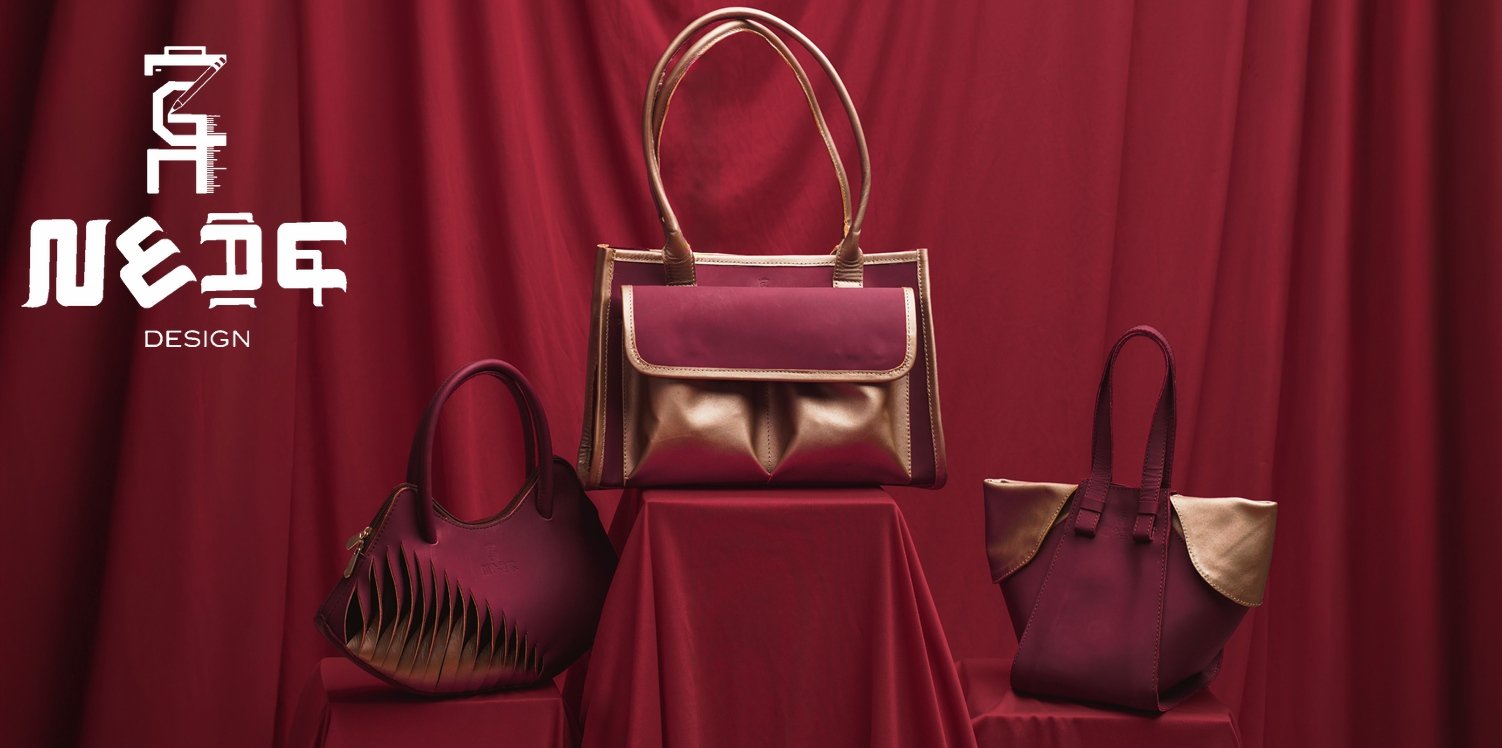
African Luxury Brands Worth Knowing
Africa’s luxury market is becoming increasingly visible on the global fashion, beauty, accessories, and lifestyle scene.
From handcrafted leather goods to contemporary fashion, jewellery, fragrances, and home products, African brands are combining traditional craftsmanship with modern design.
For consumers interested in distinctive products, African luxury brands offer something beyond exclusivity. Many are built around cultural identity, local materials, skilled craftsmanship, and stories that connect products to specific communities and places.
Here are several African luxury brands worth knowing and exploring.
1. Christie Brown – Ghana
Christie Brown is a Ghanaian fashion brand known for contemporary designs influenced by African culture. The brand combines bold silhouettes, vibrant prints, and refined tailoring to create clothing and accessories aimed at the modern luxury consumer.
Its appeal comes from its ability to incorporate African influences without limiting itself to traditional styles. The result is fashion that can work across different settings while retaining a strong connection to Ghanaian identity.
What stands out: Contemporary African-inspired fashion and distinctive prints.
2. Orange Culture – Nigeria
Orange Culture has developed a reputation for pushing conversations around contemporary African fashion. Founded in Nigeria, the brand is recognised for expressive designs, strong colours, and gender-fluid approaches to fashion.
Rather than simply reproducing established ideas about African clothing, Orange Culture explores modern African identity through fashion.
What stands out: Experimental designs, contemporary silhouettes, and cultural storytelling.
3. Andrea Iyamah – Nigeria
Andrea Iyamah is particularly recognised for resort wear and swimwear. The brand uses striking colours, sculptural shapes, and African-inspired visual influences to create pieces designed to make a statement.
Its collections demonstrate how African design can compete in highly visual international fashion categories while maintaining a distinctive aesthetic.
What stands out: Resort wear, swimwear, bold colours, and statement designs.
4. Loza Maléombho – Côte d’Ivoire
Loza Maléombho brings together contemporary fashion and West African cultural influences. The brand’s designs often incorporate elements inspired by African heritage while using modern cuts and styling.
This combination makes the label interesting for shoppers who want fashion that communicates cultural identity without looking overly traditional.
What stands out: Modern African fashion with strong cultural references.
5. Tongoro – Senegal
Tongoro is a Dakar-based fashion label known for colourful clothing and accessories. The brand draws inspiration from African cultures and works with African artisans and production networks.
Tongoro demonstrates how African luxury can be connected to both contemporary design and regional craftsmanship.
What stands out: Colourful designs, African craftsmanship, and contemporary styling.
6. Thalia Strates – South Africa
Thalia Strates is a South African jewellery label recognised for statement pieces and distinctive design. Jewellery is an important area of opportunity within Africa’s luxury market because designers can combine contemporary aesthetics with locally inspired forms and craftsmanship.
For consumers looking beyond clothing, African jewellery brands provide another way to experience the continent’s growing design industry.
What stands out: Statement jewellery and distinctive contemporary design.
7. Christie Brown and the New African Luxury Consumer
The development of brands such as these reflects a wider change in how African luxury is understood. Luxury is no longer limited to international labels entering African markets. African designers and entrepreneurs are increasingly creating products for local, continental, and international consumers.
This is important because today’s luxury shopper often looks for more than a high price tag. Craftsmanship, originality, cultural relevance, ethical production, and brand storytelling can all influence purchasing decisions.
African brands have an opportunity to turn these qualities into competitive advantages.
What Should You Consider Before Buying?
A product review should go beyond asking whether something looks attractive. When considering an African luxury product, examine several factors.
Craftsmanship
Look at the materials, construction, finishing, stitching, and overall durability. Handmade products may have small variations, but quality should remain consistent.
Design
Consider whether the brand has a distinctive visual identity. Strong luxury brands usually have recognisable design languages rather than simply following temporary trends.
Materials
Check what materials are used and where they come from. Leather, textiles, metals, beads, natural fibres, and other locally sourced materials can add uniqueness to a product.
Brand Story
The story behind a product can be an important part of its value. Consider how the company connects its products to African culture, artisans, communities, or creative traditions.
Price and Value
Luxury pricing should be considered alongside craftsmanship, materials, production methods, exclusivity, and durability. A higher price does not automatically mean higher quality.
Why African Luxury Brands Matter
African luxury brands are contributing to a broader transformation of the continent’s creative economy. Fashion designers, jewellers, leather workers, textile producers, photographers, stylists, and other creative professionals are creating products that can reach audiences far beyond their home countries.
These brands also challenge the idea that African fashion must be defined by traditional clothing. Today’s African luxury sector includes minimalist designs, contemporary tailoring, streetwear, resort collections, jewellery, accessories, beauty products, and lifestyle goods.
For consumers, this creates more opportunities to discover original products. For African businesses, it creates opportunities to build internationally recognised brands while maintaining strong connections to local creative communities.
Final Thoughts
African luxury is becoming an increasingly diverse part of the global luxury conversation. Brands such as Christie Brown, Orange Culture, Andrea Iyamah, Loza Maléombho, Tongoro, and Thalia Strates demonstrate different approaches to design, craftsmanship, and cultural expression.
For shoppers, discovering these brands can be a way to find distinctive products while supporting Africa’s growing creative industries. The most important step is to look beyond the label and assess the quality, design, materials, craftsmanship, and story behind each product.
African luxury is not one single aesthetic. It is a growing collection of different creative voices, and that diversity may be its greatest strength.
Author

A content writer with a focus on marketing psychology, brand communication, and consumer behaviour across African markets.