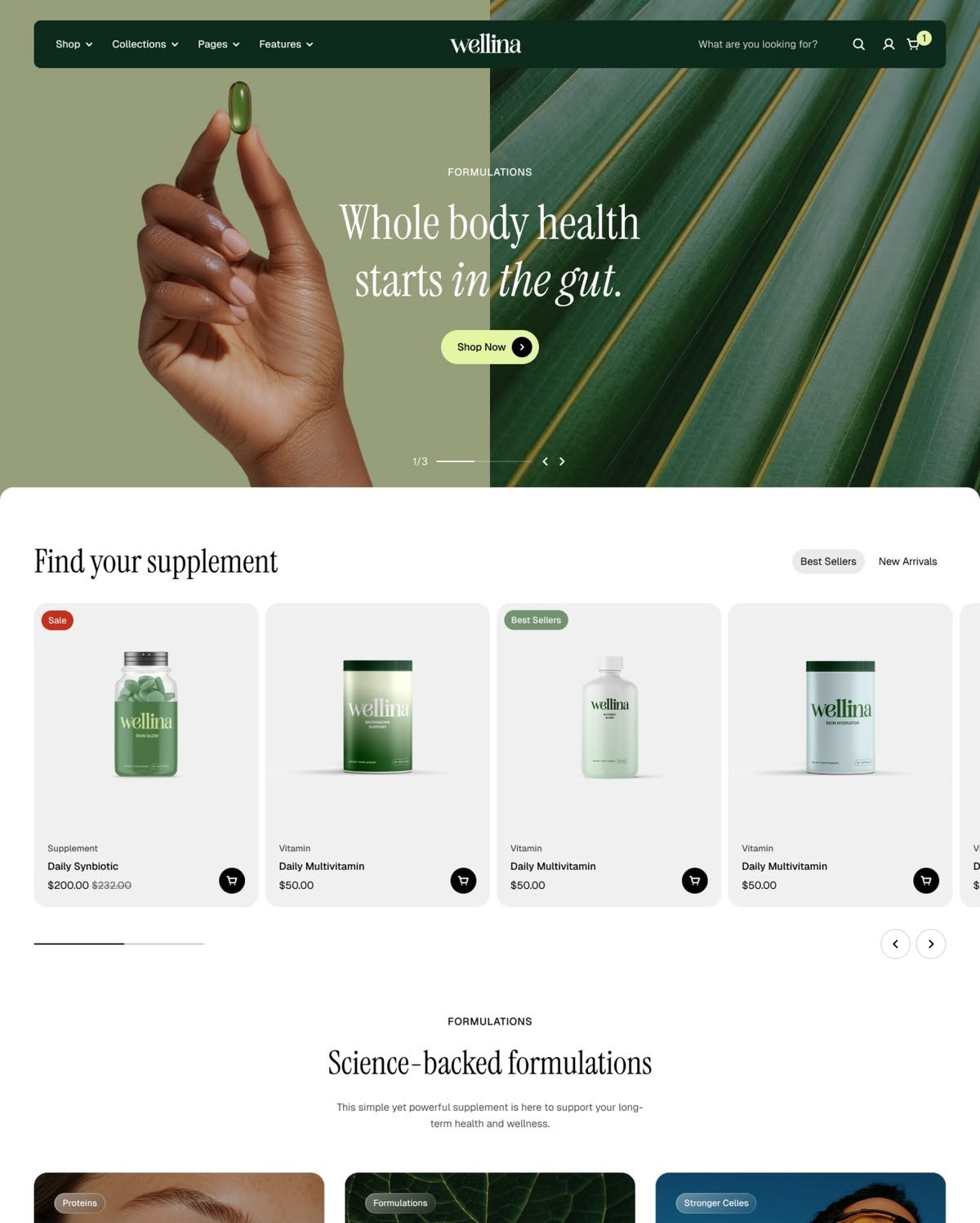
Website Design for Brands in Nigeria: Essential Features
Website Design for Brands in Nigeria: What to Include
Imagine a potential customer searching for your business online. They find your social media page, like your products, and decide to learn more. However, when they search for your website, they find nothing. Alternatively, they discover a website that loads slowly, looks outdated, or provides no clear information. In either situation, you risk losing a customer before the conversation begins.
Today, website design for brands in Nigeria goes beyond choosing attractive colours and displaying a logo. A good website communicates credibility, answers customer questions, and makes it easier for people to buy products or access services. It also helps businesses compete in a digital marketplace where customers compare several brands before making decisions.
Whether you run a fashion label in Lagos, a logistics company in Abuja, a restaurant in Port Harcourt, or a technology startup in Ibadan, your website should reflect your business goals. Here are the essential features every Nigerian brand should consider.
1. A Clear and Memorable Homepage
Your homepage is often the first impression customers have of your business. Therefore, it should communicate what you do, who you serve, and why people should choose you.
Avoid filling the homepage with unnecessary animations, lengthy introductions, or vague marketing statements. Instead, use a clear headline that explains your value. For example, a Nigerian skincare brand could write, “Affordable Skincare Products for Healthy, Glowing Skin.”
Include your logo, a short introduction, attractive images, and a prominent call-to-action button. Buttons such as “Shop Now,” “Book a Consultation,” or “Request a Quote” tell visitors what to do next.
Additionally, highlight your most important products or services. Customers should not have to search through several pages before understanding your business.
2. Mobile-Friendly Website Design
Mobile responsiveness is essential for brands operating in Nigeria. Many customers browse the internet using smartphones, often while commuting, working, or shopping.
Consequently, your website must display properly on different screen sizes. Text should remain readable, buttons should be easy to tap, and images should adjust without disrupting the layout.
A website designed exclusively for desktop computers can frustrate mobile visitors. They may struggle to complete purchases, fill out forms, or locate contact details.
Ask your designer to test the website across different devices and browsers. Also, check how it performs on slower mobile connections. A smooth mobile experience can help customers interact with your brand without unnecessary delays.
3. Fast Loading Speed
Nigerian internet users may experience inconsistent network connections. If your website takes too long to load, potential customers might leave before seeing your products.
Fortunately, several improvements can make a website faster. Compress images before uploading them, remove unnecessary plugins, and choose reliable hosting. Your developer should also minimise excessive scripts and use browser caching where appropriate.
Furthermore, avoid adding heavy videos or animations that provide little value. Visual appeal matters, but performance matters just as much.
Test your website with tools such as Google PageSpeed Insights. These tools identify performance issues and suggest improvements. A faster website supports a better user experience and can contribute to stronger search visibility.
4. Clear Information About Your Products and Services
Customers want to understand exactly what your business offers. Your website should answer their questions without forcing them to contact you for basic information.
For service businesses, explain your services, process, pricing approach, and expected outcomes. If you provide logistics services, for instance, describe your delivery options, service areas, and booking process.
For online stores, include product descriptions, prices, quality images, available sizes, and relevant specifications. Where applicable, explain delivery fees, return policies, and warranty conditions.
Be specific rather than relying on generic claims such as “We offer the best services.” Clear information helps customers make informed decisions and reduces repetitive enquiries.
5. Strong Branding and Consistent Visual Identity
Your website should look and feel like your brand. Consistency across colours, typography, imagery, and messaging makes your business easier to recognise.
Start with your existing brand identity. Use your logo, established colour palette, and preferred fonts throughout the website. However, make sure these elements remain readable and accessible.
For example, a premium fashion brand might use elegant typography and carefully selected photographs. A fintech company may prefer a clean layout that communicates security and simplicity.
Avoid using too many colours or unrelated font styles. Likewise, do not overcrowd pages with stock photographs that have little connection to your business.
A professional design does not always require an expensive website. It requires thoughtful choices that support your brand’s identity and audience.
6. Search Engine Optimisation (SEO)
A beautiful website offers limited value if potential customers cannot find it. Search engine optimisation helps your pages appear when people search for relevant products or services.
For Nigerian brands, SEO should reflect the language customers use. A bakery in Enugu, for example, might target searches related to birthday cakes in Enugu rather than relying only on broad terms such as “best bakery.”
Your website should include descriptive page titles, useful meta descriptions, logical headings, image alt text, and relevant keywords. Create separate pages for important services instead of placing everything on one page.
Also, publish helpful articles that answer common customer questions. A real estate company could discuss rental agreements, while a food business might share storage tips or meal-planning advice.
Finally, set up Google Search Console and consider Google Analytics to understand how people discover and use your website.
7. Visible Contact Information and Customer Support
Trust grows when customers can reach your business easily. Therefore, display your contact information in visible locations, especially the homepage and footer.
Include your business email, telephone number, and physical address where applicable. A WhatsApp contact button can also help Nigerian customers who prefer messaging before making a purchase.
However, do not make WhatsApp your only communication channel. Some customers prefer email, telephone calls, or contact forms.
If your business operates from a physical location, consider adding a map and clear directions. You should also provide realistic customer service hours.
Responding promptly to enquiries reinforces the impression that your business is organised, reliable, and ready to serve customers.
8. Secure Payments and Reliable Checkout
For Nigerian brands selling online, the payment process deserves careful attention. Customers should be able to complete transactions without confusion or unnecessary steps.
Consider payment options that suit your audience, including bank transfers, cards, and supported digital payment methods. Payment gateways such as Paystack and Flutterwave may be suitable, depending on your business requirements and eligibility.
Display prices clearly and explain additional charges before checkout. Customers should understand delivery fees, taxes where applicable, and expected delivery timelines.
Security is equally important. Use HTTPS, keep your website software updated, and work with reputable payment providers. Never request customers’ banking PINs or other confidential credentials.
A simple checkout process can reduce abandoned purchases and help customers feel more confident about buying from your brand.
9. Customer Reviews and Testimonials
People often seek reassurance before trusting an unfamiliar business. Genuine customer reviews can provide that reassurance.
Include testimonials, verified ratings, case studies, or photographs of completed projects where appropriate. For service businesses, explain the problem you solved and the results you achieved.
For example, a branding agency could showcase a client’s redesigned identity alongside a short explanation of the project. An online retailer might feature authentic customer feedback about product quality and delivery.
Always obtain permission before publishing identifiable customer information or photographs. Never invent testimonials or present paid endorsements as independent opinions.
Honest social proof helps visitors understand what they can reasonably expect from your business.
10. Privacy, Policies, and Legal Information
A professional website should explain how the business operates and handles customer information.
Include relevant pages such as Privacy Policy, Terms and Conditions, Refund Policy, and Delivery Policy. The specific requirements will depend on your industry and the information your website collects.
For Nigerian businesses, data protection deserves particular attention. If you collect names, telephone numbers, addresses, or payment-related information, ensure your practices comply with applicable Nigerian data protection requirements.
Explain how customers can contact you about their information. Also, avoid collecting details that your business does not genuinely need.
Clear policies reduce misunderstandings and demonstrate that your brand takes customer relationships seriously.
11. Analytics and Room for Growth
Your website should support your business as it expands. Choose a platform and hosting arrangement that can accommodate your expected traffic, content, and sales requirements.
For example, a small business might begin with a simple website featuring its services and contact information. Later, it could introduce online bookings, a customer portal, or e-commerce functionality.
Install appropriate analytics tools to measure useful activities. Track enquiries, purchases, popular pages, and traffic sources. These insights can help you identify what works and where customers experience difficulties.
Review the results regularly. Website design should evolve with customer behaviour rather than remain unchanged for years.
Conclusion
Website design for brands in Nigeria requires a balance of appearance, performance, trust, and functionality. A strong website introduces your business clearly, works well on mobile devices, loads quickly, and helps customers take action.
It should also support search visibility, provide reliable contact options, protect customer information, and make transactions straightforward.
Most importantly, start with your audience and business objectives. You do not need every advanced feature on day one. Focus on the essentials, measure your results, and improve the experience as your brand grows.
In a competitive digital economy, your website is more than an online brochure. It is a valuable business asset that can strengthen credibility, attract customers, and create opportunities for long-term growth.
Author

A content writer with a focus on marketing psychology, brand communication, and consumer behaviour across African markets.