The Future of Furniture Manufacturing in Africa
Africa’s furniture manufacturing industry is entering an exciting period of transformation.
For decades, furniture production across the continent has largely depended on small workshops, skilled artisans, imported materials, and traditional production methods. Today, however, changing consumer preferences, urbanisation, technology, and growing demand for locally made products are creating new opportunities for manufacturers.
From modern homes and offices to hotels, restaurants, schools, and commercial developments, demand for furniture continues to grow. African manufacturers are increasingly finding ways to respond to this demand while incorporating local materials, contemporary designs, and more efficient production methods.
The future of furniture manufacturing in Africa could therefore be defined by a combination of local craftsmanship, technology, sustainability, and international ambition.
Growing Demand for Locally Made Furniture
One of the biggest opportunities for African furniture manufacturers is the increasing interest in locally produced goods.
Consumers are becoming more interested in furniture that reflects their culture, environment, and lifestyle. Instead of purchasing generic products imported from overseas, some customers are looking for pieces that offer distinctive African designs and craftsmanship.
This creates opportunities for manufacturers to develop furniture collections inspired by local architecture, textiles, colours, patterns, and traditional craftsmanship.
Nigeria, Kenya, Ghana, South Africa, Morocco, Egypt, Ethiopia, and several other African markets already have established furniture businesses. As populations and cities continue to grow, manufacturers have the opportunity to serve increasingly large domestic markets.
Technology Will Transform Production
Technology will play a major role in the next generation of African furniture manufacturing.
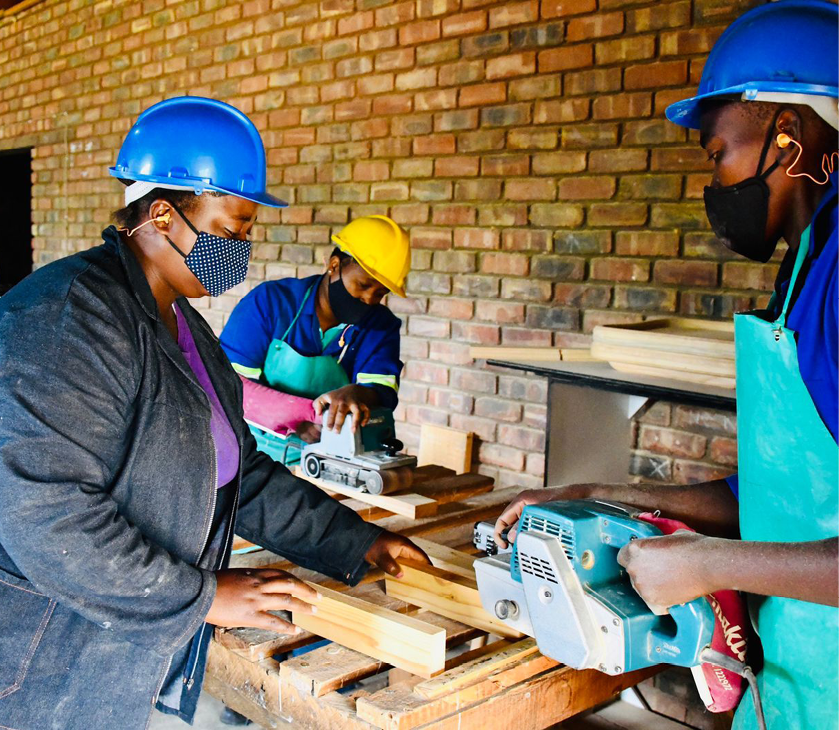
Traditional craftsmanship will remain important, but manufacturers can increasingly combine skilled labour with modern equipment. Computer-controlled cutting machines, 3D modelling, automated woodworking equipment, digital design software, and improved finishing technologies can make production faster and more precise.
Technology can also reduce material waste. Digital measurements and computer-assisted production allow manufacturers to plan cuts more accurately before materials are processed.
For smaller manufacturers, access to affordable machinery and shared production facilities could be particularly valuable. Instead of every business having to purchase expensive equipment, manufacturing hubs could provide access to specialised machinery and technical services.
African Design Could Become a Global Advantage
Africa has a rich design heritage that can give its furniture industry a unique competitive advantage. Designers can combine traditional African craftsmanship with contemporary furniture concepts to create products that appeal to both local and international customers.
Materials such as locally sourced wood, woven fibres, bamboo, rattan, leather, stone, and recycled materials can contribute to distinctive product identities.
The opportunity is not simply to produce furniture in Africa. It is to develop African furniture brands with recognisable design languages.
A successful African furniture brand could eventually sell products to customers across the continent and internationally while maintaining a strong connection to its origins.
Sustainability Will Become More Important
Environmental concerns are also likely to influence the future of furniture production. Furniture manufacturers face increasing pressure to use materials responsibly, reduce waste, and improve production efficiency. This is particularly relevant for industries that depend on timber and other natural resources.
African manufacturers can respond by exploring responsibly sourced wood, recycled materials, bamboo, agricultural waste, and other renewable alternatives.
Manufacturing businesses can also reduce waste by designing products that use materials more efficiently. Offcuts from larger furniture pieces, for example, can sometimes be transformed into smaller products, decorative elements, shelves, or accessories.
Sustainable manufacturing could eventually become more than an environmental responsibility. It could become a selling point for African furniture brands targeting environmentally conscious consumers.
The Rise of Modular and Space-Saving Furniture
Africa’s rapidly expanding cities are changing how people live. Urban residents in cities such as Lagos, Nairobi, Accra, Johannesburg, Cairo, and Addis Ababa may have different housing needs from people living in larger suburban or rural homes. Smaller apartments and multifunctional spaces can increase demand for furniture that saves space.
This creates opportunities for manufacturers to produce modular furniture, foldable tables, compact storage solutions, sofa beds, expandable dining tables, and multifunctional workstations.
Furniture designed specifically for African urban environments could become an important area of innovation.
Rather than simply copying products developed for other markets, manufacturers can study local housing patterns and create solutions around the realities of African consumers.
E-Commerce Will Change How Furniture Is Sold
Furniture sales are also being affected by digital commerce. Traditionally, customers often had to visit showrooms or workshops before purchasing large furniture items. Digital platforms now make it possible for manufacturers and retailers to showcase products online.
High-quality photography, videos, 3D visualisation, augmented reality tools, and detailed product specifications can help customers understand what furniture will look like before making a purchase.
Social media can also help small furniture businesses reach customers without maintaining expensive physical showrooms.
A manufacturer operating from a relatively small workshop can build an online audience, display its designs, receive custom orders, and potentially serve customers beyond its immediate city.
Custom Furniture Will Remain Valuable
Mass production may grow, but custom furniture is unlikely to disappear. African consumers often have specific preferences regarding size, colour, materials, functionality, and design. Custom manufacturing allows furniture businesses to respond to these individual requirements.
Technology can make custom production more efficient. Digital design tools can help customers visualise their furniture before production begins, while modern machinery can improve accuracy.
The combination of traditional craftsmanship and digital customisation could become one of the strongest competitive advantages for African manufacturers.
Furniture Manufacturing Can Create More Jobs
A growing furniture industry can contribute significantly to employment.
The sector requires more than carpenters and furniture makers. It also needs designers, upholsterers, welders, painters, engineers, sales professionals, logistics providers, digital marketers, photographers, installers, and business managers.
This makes furniture manufacturing an important part of the broader creative and industrial economy.
Training programmes and apprenticeships can also help younger Africans acquire practical skills. With the right support, furniture workshops can become places where young people develop skills that can lead to employment or entrepreneurship.
Regional Trade Could Open New Markets
Another major opportunity lies in intra-African trade. A furniture manufacturer does not necessarily have to limit its market to customers within its own country. Improved regional trade, logistics networks, digital payments, and e-commerce could make it easier for successful brands to expand into neighbouring markets.
The African Continental Free Trade Area also creates a broader framework for increasing trade between African countries.
Manufacturers that develop strong brands, reliable supply chains, competitive pricing, and consistent product quality could eventually build regional customer bases.
Challenges Still Need to Be Addressed
Despite the opportunities, furniture manufacturing in Africa faces significant challenges.
Manufacturers may struggle with expensive machinery, unreliable electricity, limited access to financing, inconsistent raw-material supply, transportation costs, imported competition, and shortages of specialised skills.
Quality control can also become difficult as businesses expand.
Addressing these challenges will require collaboration between manufacturers, investors, governments, training institutions, designers, logistics providers, and technology companies.
Access to affordable financing is particularly important. A small furniture business may have strong demand but lack the capital needed to purchase modern equipment or expand production.
What the Future Could Look Like
The African furniture factory of the future may look very different from the traditional workshop.
It could combine computer-aided design with skilled craftsmanship. Customers could place orders online and customise products digitally. Automated machinery could improve production accuracy, while sustainable materials could reduce environmental impact.
At the same time, artisans could continue contributing the creativity and cultural knowledge that give African furniture its identity.
This combination could allow African furniture businesses to compete on more than price. They could compete through design, quality, cultural identity, sustainability, and innovation.
Building Globally Recognised African Furniture Brands
The greatest opportunity may ultimately be brand development. Africa already has talented artisans and designers. The next step is turning that talent into scalable businesses with strong identities and reliable production systems.
Manufacturers can invest in branding, packaging, customer experience, professional photography, digital marketing, product development, and quality assurance.
When these elements come together, African furniture can move from being viewed primarily as locally made craftsmanship to becoming a recognised category within the global furniture market.
Conclusion
The future of furniture manufacturing in Africa is full of possibilities. Growing urban populations, increasing demand for locally made products, technological innovation, sustainability, e-commerce, and regional trade are creating new opportunities for the industry.
However, success will depend on more than producing more furniture. African manufacturers will need to improve quality, embrace technology, develop distinctive designs, strengthen supply chains, train new talent, and build brands capable of competing beyond their immediate markets.
The continent has the creativity, materials, craftsmanship, and growing consumer base needed to build a stronger furniture industry. With the right investment and innovation, African furniture manufacturing could become an important contributor to the continent’s industrial and creative economy while introducing African design to a much larger global audience.
Author

A content writer with a focus on marketing psychology, brand communication, and consumer behaviour across African markets.