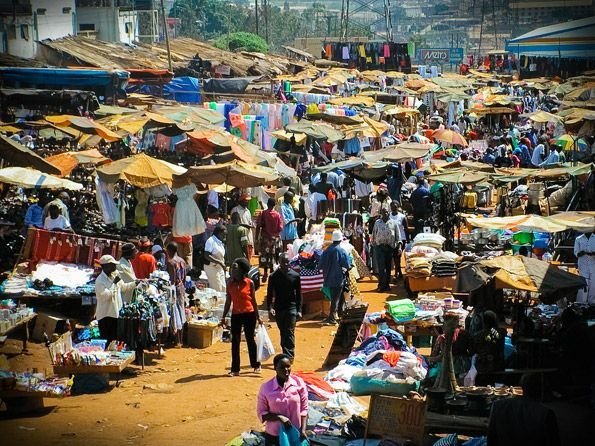
Top 10 Biggest Markets in Uganda: Major Trading Hubs
Uganda’s biggest markets are important centres for wholesale trade, fresh produce, clothing, household goods and regional distribution.
Kampala has some of the country’s busiest trading locations, including Owino, Nakasero, Kalerwe and Nakawa. Outside the capital, markets in Jinja, Mbale, Gulu and Mbarara connect traders with customers across different regions.
For brands considering Uganda, these markets offer more than places to sell products. They provide access to retailers, wholesalers, suppliers and customers whose buying habits can help businesses understand local demand.
A note on the list: Uganda does not have one consistently updated public ranking comparing every market by floor area, annual turnover or number of traders. This guide therefore highlights ten major and commercially relevant markets. It is not a strict ranking from largest to smallest.
Uganda’s 10 major markets at a glance
| Market | Location | Main commercial strength |
|---|---|---|
| Owino (St Balikuddembe) | Kampala | Clothing, food, household goods and wholesale trade |
| Nakasero Market | Kampala | Fresh produce, food and specialist retail |
| Kikuubo | Kampala | Wholesale goods and general merchandise |
| Kalerwe Market | Kampala | Fresh produce and food commodities |
| Nakawa Market | Kampala | Food, vegetables and everyday goods |
| Wandegeya Market | Kampala | Food, clothing and general retail |
| Jinja Central Market | Jinja | Regional produce and general trading |
| Mbale Central Market | Mbale | Produce and eastern Uganda trade |
| Gulu Central Market | Gulu | Northern Uganda’s retail and produce trade |
| Mbarara Central Market | Mbarara | Western Uganda’s produce and retail trade |
1. Owino Market, Kampala: Uganda’s best-known large trading centre
Verdict: A major destination for brands and traders dealing in clothing, food, footwear, household goods and general merchandise.
Owino Market, officially known as St Balikuddembe Market, is one of Uganda’s most prominent commercial centres. Located in central Kampala, it attracts shoppers, wholesalers, retailers and traders from different parts of the country.
The market began as a wholesale outlet for farmers’ produce. Over time, it expanded into clothing, shoes, textiles, electronics, cooked food, meat, repairs and other services.
Its variety makes it relevant to businesses selling everyday consumer products. A brand can study how customers compare prices, how traders source their stock and which product categories attract repeat purchases.
Owino is also a useful place to understand Uganda’s informal retail economy. Businesses should spend time observing how traders negotiate, display products and build relationships with regular customers.
Best opportunities: Clothing, footwear, food, personal care, bags, textiles, household products and consumer electronics.
2. Nakasero Market, Kampala: Fresh produce and specialist food retail
Verdict: A useful market for businesses targeting fresh food buyers, restaurants, retailers and customers looking for a broad range of produce.
Nakasero Market is located near Kampala’s central business district, at the foot of Nakasero Hill. It is one of the city’s established food markets and offers fresh fruits, vegetables, meat, fish and other food products.
Its location makes it accessible to households, food businesses and traders operating around central Kampala.
For food brands, restaurants and agricultural suppliers, Nakasero provides an opportunity to understand demand for fresh produce and specialist ingredients. Businesses can also observe how quality, freshness, price and presentation influence purchasing decisions.
Brands selling packaged food should research the difference between customers who buy fresh ingredients and those who prefer processed or ready-to-use products.
Best opportunities: Fresh produce, packaged food, spices, beverages, food distribution and restaurant supply.
3. Kikuubo, Kampala: A wholesale destination for retailers
Verdict: A strong location for businesses targeting shop owners, resellers and traders who purchase goods in bulk.
Kikuubo is one of Kampala’s best-known wholesale trading areas. Located in the city centre, it is made up of busy commercial streets and shops where retailers source stock for resale.
Products traded in the area include general merchandise, electronics, stationery, textiles, household goods, packaged food and other everyday items.
Unlike a traditional open market, Kikuubo operates as a dense wholesale district. Buyers often visit with specific shopping lists and compare prices across several suppliers.
For brands, the area offers access to retailers and distributors who can help products reach smaller shops in different parts of Uganda.
A company entering this market should understand wholesale pricing, minimum order quantities, stock availability and retailer margins. Strong relationships with reliable suppliers can make a significant difference to distribution.
Best opportunities: Packaged consumer goods, stationery, electronics, household products, textiles and general merchandise.
4. Kalerwe Market, Kampala: A busy fresh food trading centre
Verdict: A relevant market for agricultural suppliers, food distributors and brands targeting everyday household purchases.
Kalerwe Market is located along Gayaza Road in Kampala. It is associated with fresh food trading and attracts buyers looking for fruits, vegetables, matooke, potatoes, beans, fish and other food commodities.
The market is particularly useful for businesses studying food supply chains. Produce arrives from different growing areas, and prices can change according to availability, season and transport costs.
For food businesses, this creates opportunities to understand sourcing, product quality and the challenges of moving perishable goods.
Brands selling packaged food or agricultural inputs can also use the market to learn about the needs of traders and customers.
Best opportunities: Fresh produce, agricultural inputs, food distribution, storage, packaging and food processing.
5. Nakawa Market, Kampala: Everyday food and household trade
Verdict: A useful location for brands studying food distribution and everyday consumer demand in eastern Kampala.
Nakawa Market is situated along Jinja Road and serves shoppers and traders in the eastern part of Kampala.
It is known for food products, vegetables, fruits and other everyday goods. Its location also makes it relevant to produce arriving from eastern Uganda.
The market offers businesses an opportunity to understand how fresh food moves from suppliers to urban consumers. Companies can observe the products customers buy frequently, the importance of affordability and the way traders manage stock.
For brands planning to distribute food products, Nakawa can be one of several locations to consider when researching Kampala’s retail network.
Best opportunities: Food products, fresh produce, household essentials, agricultural supply and food distribution.
6. Wandegeya Market, Kampala: A modern multi-level trading centre
Verdict: A useful retail location for businesses targeting students, workers, households and shoppers around central Kampala.
Wandegeya Market is located in an active part of Kampala, close to Makerere University and several commercial and residential areas.
The market was redeveloped under Uganda’s Markets and Agricultural Trade Improvement Programme. Its facilities provide trading space for vendors selling food, clothing and other consumer goods.
Its location creates a mix of potential customers, including students, workers, residents and people visiting nearby businesses.
For brands, Wandegeya is worth researching when planning retail visibility or product distribution in central Kampala. Businesses should identify which product categories are most relevant to the market’s shoppers rather than treating it as a general advertising location.
Best opportunities: Food, clothing, affordable household products, personal care and everyday retail goods.
7. Jinja Central Market, Jinja: A regional trading hub
Verdict: An important market for brands seeking access to traders and customers in eastern Uganda.
Jinja is an important commercial town in eastern Uganda. Its central market serves traders, households and businesses purchasing food, agricultural produce and other everyday goods.
Jinja Central Market was among the markets redeveloped under the government’s Markets and Agricultural Trade Improvement Programme. The programme aimed to improve trading infrastructure and provide better facilities for vendors.
For brands, the market offers an opportunity to research demand beyond Kampala. Businesses distributing food, household goods and personal care products can explore relationships with retailers and wholesalers serving the town and surrounding communities.
A brand should also investigate how goods move between Jinja, Kampala and other eastern trading centres before selecting a distribution partner.
Best opportunities: Food, household essentials, personal care, agricultural products and general merchandise.
8. Mbale Central Market, Mbale: Trade serving eastern Uganda
Verdict: A strategic regional market for businesses interested in agricultural products and consumer distribution in eastern Uganda.
Mbale is a major urban centre in eastern Uganda. Its central market serves local households, retailers and traders from surrounding areas.
The market was included in the first phase of the government’s MATIP redevelopment programme. This investment formed part of a wider effort to improve market infrastructure and support trading activity in Uganda’s municipalities.
Mbale’s commercial relevance comes from its position within an agricultural and trading region. Businesses can use market visits to understand local demand, identify suppliers and assess how products reach customers outside Kampala.
Brands selling food, agricultural supplies, clothing and household goods may find it useful to research the market as part of a wider eastern Uganda distribution plan.
Best opportunities: Agricultural products, food, household goods, clothing and farming supplies.
9. Gulu Central Market, Gulu: A major northern Uganda trading location
Verdict: A useful market for brands seeking to understand retail demand and distribution opportunities in northern Uganda.
Gulu is one of northern Uganda’s important urban and commercial centres. Its central market serves households, farmers, retailers and traders from the city and surrounding districts.
The market was also redeveloped under MATIP. Government programme information identifies Gulu among the stronger-performing markets in the programme’s reporting on vendor incomes.
For brands, Gulu provides an opportunity to study a regional consumer market that may be missed by companies concentrating their research on Kampala.
Businesses should consider local product preferences, transport costs, stock availability and the distribution partners already serving northern Uganda.
Best opportunities: Food, household products, agricultural supplies, clothing, personal care and general merchandise.
10. Mbarara Central Market, Mbarara: A commercial centre for western Uganda
Verdict: A useful location for businesses exploring western Uganda’s food, agricultural and consumer markets.
Mbarara is an important commercial centre in western Uganda. Its central market serves residents, farmers, retailers and traders operating across the wider region.
The market was included in the second phase of the government’s MATIP programme, which developed modern markets in several Ugandan towns and cities.
Its location makes it relevant to businesses researching agricultural trade and consumer distribution in western Uganda.
Brands should consider Mbarara when developing a distribution strategy that reaches beyond Kampala. Local research can help businesses identify the right retailers, assess customer demand and understand how products move through the region.
Best opportunities: Food products, agricultural inputs, household essentials, clothing and general merchandise.
What should brands consider before entering Uganda’s markets?
A busy market does not automatically guarantee strong sales. Brands need to understand how customers buy, who controls distribution and what retailers expect from suppliers.
Before investing in a launch, consider these questions:
| Area | What to investigate |
|---|---|
| Customer demand | Which products do shoppers buy frequently? |
| Pricing | What are competing products selling for? |
| Distribution | Who supplies retailers and wholesalers? |
| Product availability | Are there reliable routes for replenishing stock? |
| Competition | Which local and international brands already operate there? |
| Retail relationships | How do traders choose suppliers? |
| Regulations | What product registration, labelling and import requirements apply? |
| Marketing | Which local languages, messages and channels suit the target customers? |
Should a brand focus only on Kampala?
Not necessarily. Kampala offers access to a large concentration of trading activity, but it does not represent every Ugandan consumer.
A company selling fast-moving consumer goods may begin with selected Kampala markets to test demand and distribution. It can then assess regional centres such as Jinja, Mbale, Gulu and Mbarara.
The right approach depends on the product. A specialist food supplier, for example, may need a different distribution network from a fashion or electronics brand.
Why should brands visit markets before launching?
Market visits help businesses test assumptions. A company may believe its product is competitively priced, but conversations with traders can reveal that customers prefer smaller pack sizes, different product features or more flexible payment arrangements.
Field research also helps brands identify the retailers and wholesalers who influence purchasing decisions.
At Brand Envoy Africa, we believe effective market work starts with understanding the people and places where buying decisions happen. We discovered our markets on foot. Since 2015, we have worked on campaigns across Nigeria, Ghana, Kenya, Liberia and South Africa.
Our experience includes field campaigns for 1xBet across Liberia, Nigeria, Ghana and Kenya, including Nairobi. We understand that local execution must reflect the market rather than rely on a one-size-fits-all campaign.
Planning to enter Uganda or grow your distribution in East Africa? Tell us about your product, target customers and expansion plans. Email business@brandsenvoy.com or call +234 807 473 7662 to discuss your market objectives.
You can also explore our guides to market entry strategy for Africa, the top 10 markets in Kenya and the top 10 biggest markets in West Africa.
Frequently asked questions
1. What is the biggest market in Uganda?
Owino Market, officially known as St Balikuddembe Market, is described by Kampala Capital City Authority as Uganda’s biggest market. It is located in central Kampala and trades in food, clothing, footwear, textiles and many other products.
2. Which market is best for wholesale shopping in Uganda?
Owino and Kikuubo are important destinations for wholesale shopping in Kampala. Kikuubo is particularly associated with general merchandise and bulk purchases by retailers, while Owino offers a broad range of goods.
3. Which markets in Uganda are best for fresh produce?
Nakasero, Kalerwe and Nakawa are among Kampala’s established fresh food markets. Regional markets such as Jinja Central, Mbale Central and Mbarara Central are also important locations for agricultural and food trading.
4. Are there major markets outside Kampala?
Yes. Jinja Central Market, Mbale Central Market, Gulu Central Market and Mbarara Central Market are examples of major regional trading locations. Uganda’s government has also developed markets in several other municipalities through MATIP.
5. Why should foreign brands research Uganda’s local markets?
Local market research helps foreign brands understand customer preferences, competitor pricing, wholesale networks, retailer relationships and distribution costs. It can also reveal differences between Kampala and regional markets before a company commits to a launch.
Author

A content writer with a focus on marketing psychology, brand communication, and consumer behaviour across African markets.