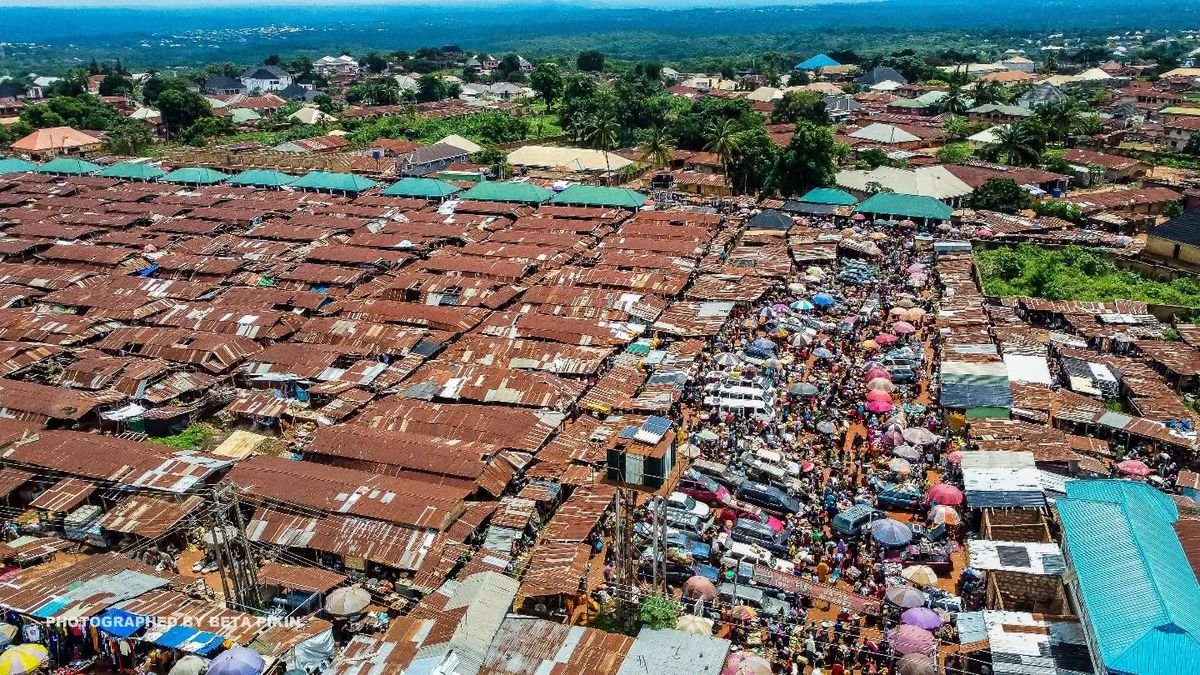
Top 10 Biggest Markets in Ibadan
Bodija Market is Ibadan’s biggest foodstuff market, while Aleshinloye ranks among the city’s largest markets for household goods and general merchandise.
However, Ibadan has several major trading hubs, and each serves different buyers, retailers and businesses. This guide explores ten important markets, their locations, trading schedules and the products shoppers can find there.
Ibadan’s markets support a large network of farmers, wholesalers, retailers and everyday consumers. Some specialise in fresh produce and foodstuff, while others focus on fabrics, household goods, electronics and traditional Yoruba crafts. Therefore, choosing the right market depends on what you want to buy or distribute.
What Are the Top 10 Biggest Markets in Ibadan?
The following list highlights ten prominent markets across the city. It considers their commercial importance, product range, trading activity and recognition among shoppers and traders. It does not represent an official government ranking by land area or stall count.
1. Bodija Market
Location: Bodija, Ibadan North.
Market days: Traders operate daily. However, confirm peak trading periods with individual sellers before planning a large purchase.
What it sells: Rice, beans, yam, garri, vegetables, tomatoes, pepper, palm oil, meat, fish and other foodstuff.
Bodija Market stands out as Ibadan’s leading foodstuff trading centre. Farmers, wholesalers and retailers bring produce from surrounding communities and other parts of Nigeria. As a result, households, restaurants, food vendors and bulk buyers rely on the market for regular supplies.
In addition, businesses that need large quantities of agricultural produce can compare different sellers and negotiate wholesale prices. If you plan to buy in bulk, inspect the goods and agree on transport arrangements before completing the transaction.
2. Aleshinloye International Market
Location: Aleshinloye, near the Jericho and Ring Road areas.
Market days: Daily trading is common; confirm individual sellers’ schedules.
What it sells: Clothing, fabrics, shoes, bags, jewellery, kitchenware, household items and general merchandise.
Aleshinloye International Market attracts shoppers looking for fashion products and household essentials. Its wide product selection makes it useful for retailers, resellers and individuals who prefer to compare several sellers in one location.
Furthermore, traders offer different product qualities and price ranges. Buyers should compare similar items before making large purchases, particularly when sourcing goods for resale.
3. Dugbe Market
Location: Dugbe commercial district, central Ibadan.
Market days: Daily trading; individual shop hours may vary.
What it sells: Clothing, textiles, electronics, household goods, furniture and general merchandise.
Dugbe serves as one of Ibadan’s major commercial centres. Its location within the central business district attracts shoppers, office workers, retailers and distributors.
Meanwhile, nearby shopping and business facilities add to the area’s commercial activity. Buyers can explore different shops for clothing, electronics and household products. However, compare prices and product specifications before choosing a supplier.
4. Agbeni Market
Location: Agbeni, central Ibadan.
Market days: Daily trading; confirm specific wholesale sellers’ schedules.
What it sells: Foodstuff, provisions, packaged consumer goods, beverages, grains, household supplies and other everyday products.
Agbeni plays an important role in the wholesale and retail supply of everyday essentials. Shop owners often visit the market to restock products in cartons, bags and other bulk quantities.
Consequently, it can serve small supermarkets, provision stores, food vendors and independent retailers. Buyers should compare quantities, expiry dates and wholesale prices before committing to large orders.
5. Ogunpa Market
Location: Ogunpa, around the Dugbe–Alawo commercial axis.
Market days: Daily trading; confirm specialist traders’ availability.
What it sells: Plastics, kitchenware, household goods, hardware, electronics, clothing and general merchandise.
Ogunpa supports a broad range of commercial activities. Traders sell products for homes, small businesses and construction-related needs. For example, shoppers can look for plastic containers, buckets, kitchen equipment and other household essentials.
In addition, its proximity to other central Ibadan trading areas makes it convenient for buyers who want to compare different markets during one trip.
6. Oje Market
Location: Oje, near the traditional central Ibadan area and the Olubadan’s palace.
Market days: Historical sources describe an eight-day periodic trading cycle for some traditional markets in Ibadan. Confirm Oje’s current principal trading day locally before travelling.
What it sells: Aso-oke, sanyan, alaari, traditional Yoruba fabrics, beads, herbs and cultural items.
Oje Market has a strong connection to Yoruba commercial and cultural heritage. Unlike markets that focus mainly on general household goods, Oje attracts buyers interested in traditional fabrics and locally significant products.
For instance, people sourcing materials for weddings, cultural ceremonies and traditional clothing can explore its textile stalls. Nevertheless, check availability and fabric quality carefully, especially when purchasing expensive materials.
7. Oja Oba Market
Location: Oja Oba, near the Olubadan’s palace in central Ibadan.
Market days: Regular daily trading; verify specific sellers’ schedules.
What it sells: Yam, tomatoes, pepper, vegetables, fruits and other fresh agricultural produce.
Oja Oba, often called the King’s Market, serves households and food traders looking for fresh produce. Its central location also makes it accessible to shoppers who live or work around the older parts of Ibadan.
Moreover, buyers can find ingredients for everyday cooking and compare produce from different traders. If you intend to buy in bulk, inspect freshness and negotiate transport before loading your goods.
8. Bola Ige International Market (New Gbagi)
Location: Along the Ibadan–Ife Expressway.
Market days: Daily trading is common; confirm individual sellers’ schedules.
What it sells: Ankara, lace, other fabrics, clothing, shoes, bags, accessories, jewellery and fashion materials.
Bola Ige International Market, popularly known as New Gbagi, is a major destination for fashion and textile buyers. Tailors, fashion retailers and individuals sourcing materials for special occasions visit the market for different fabric options.
Additionally, traders sell some products in wholesale quantities. Therefore, fashion businesses can compare prices across sellers and negotiate when buying several pieces or bundles.
9. Molete Market
Location: Molete, along the Molete commercial and transport corridor.
Market days: Regular daily trading; confirm specialist sellers’ schedules.
What it sells: Foodstuff, provisions, household goods, clothing and general merchandise.
Molete Market serves residents and traders around one of Ibadan’s busy transport and commercial areas. Its mix of everyday products makes it useful for people shopping for household needs.
Furthermore, buyers can explore nearby commercial streets to compare prices and product availability. Retailers should check quantities and product condition before purchasing stock for resale.
10. Apete Market
Location: Apete, around the Sango and Polytechnic Ibadan axis.
Market days: Regular trading; confirm the busiest days with local traders.
What it sells: Fresh farm produce, foodstuff, manufactured goods, electronics and household essentials.
Apete Market serves residents, students and small businesses around its growing residential and commercial neighbourhood. Its product range includes everyday food items as well as manufactured goods.
As a result, it offers a convenient shopping option for people who live or work around Apete and nearby communities. However, buyers seeking specialist products or large wholesale quantities may want to compare prices with the larger central markets.
Summary: The 10 Markets at a Glance
| Market | Location | Main products | Market days |
|---|---|---|---|
| Bodija | Bodija | Foodstuff and agricultural produce | Daily trading |
| Aleshinloye | Aleshinloye/Jericho | Fabrics, clothing and household goods | Daily trading |
| Dugbe | Central Ibadan | Electronics, clothing and general goods | Daily trading |
| Agbeni | Central Ibadan | Provisions and wholesale foodstuff | Daily trading |
| Ogunpa | Dugbe–Alawo axis | Plastics, household goods and hardware | Daily trading |
| Oje | Oje | Aso-oke and traditional Yoruba products | Historical eight-day cycle reported; verify |
| Oja Oba | Central Ibadan | Fresh produce and foodstuff | Regular daily trading |
| Bola Ige/New Gbagi | Ibadan–Ife Expressway | Fabrics, shoes and fashion accessories | Daily trading |
| Molete | Molete | Foodstuff and general merchandise | Regular daily trading |
| Apete | Apete | Food, electronics and household goods | Regular trading |
How Should Businesses Choose a Market in Ibadan?
For businesses, market selection should start with the product and target customer rather than the market’s reputation alone.
First, identify where your customers shop. For example, a food brand may benefit from studying Bodija, Agbeni and Oja Oba. Meanwhile, a fashion business should explore New Gbagi, Aleshinloye and Oje.
Next, compare product availability, wholesale prices, competitor activity and the strength of local distribution networks. Also, speak with traders and market associations before organising product demonstrations or promotional campaigns.
Most importantly, visit your shortlisted markets before committing a marketing budget. A physical assessment can help you understand customer behaviour, trading conditions and the best way to reach buyers.
Brand Envoy Africa helps businesses understand market opportunities and execute distribution and brand activation activities. Explore its Market Entry and Distribution services to learn more. You can also read the company’s guide to the Top 20 Markets in Nigeria.
Frequently Asked Questions
1. Which is the biggest market in Ibadan?
Bodija Market is widely recognised as Ibadan’s biggest foodstuff market. However, Aleshinloye ranks among the largest markets for household wares and general merchandise, while Oje holds an important place in traditional trading.
2. Which market is best for foodstuff in Ibadan?
Bodija is a leading destination for foodstuff, including rice, beans, yam, vegetables and other agricultural produce. Agbeni and Oja Oba also serve buyers looking for provisions and fresh food items.
3. Where can I buy fabrics wholesale in Ibadan?
Bola Ige International Market, popularly known as New Gbagi, is a major textile and fashion trading centre. Aleshinloye and Oje also offer fabrics, although their product ranges differ.
4. Do Ibadan markets have specific market days?
Some traditional markets have historical periodic trading patterns. However, many major markets operate daily, and published sources do not consistently confirm every market’s busiest day. Therefore, contact local traders or market associations before planning a visit.
5. Which Ibadan markets should businesses consider for product distribution?
The best market depends on the product. Food and beverage brands can explore Bodija and Agbeni, while fashion brands may consider New Gbagi and Aleshinloye. Businesses should assess customer demand, trader relationships and distribution costs before choosing a market.
Author

A content writer with a focus on marketing psychology, brand communication, and consumer behaviour across African markets.