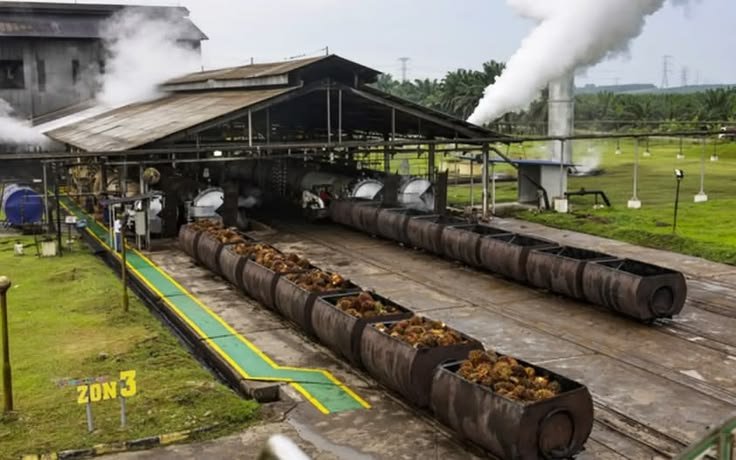
Palm Oil Processing Machine: What You Need to Start a Palm Oil Business in Nigeria
Starting a palm oil processing business in Nigeria requires the right equipment, a reliable supply of fresh palm fruit and a realistic budget. A small oil press may cost between ₦150,000 and ₦200,000, while a multifunction palm oil machine can cost between ₦1.1 million and ₦3 million, based on October 2026 price listings. However, a complete processing line requires several machines, so you should consider the entire setup before making a purchase. For first-time processors, starting small and expanding when fruit supply and customer demand become reliable is a sensible approach.
Palm Oil Processing Machines: Key Facts and Prices
Before choosing equipment, consider these essential details:
- Machines you may need: A boiler or steriliser, thresher, digester, screw press, clarifier, water tank and pump.
- Lowest listed entry price: Small oil presses cost approximately ₦150,000 to ₦200,000, equivalent to about $112 to $150.
- Multifunction machine price: Listings range from approximately ₦1.1 million to ₦3 million, or $825 to $2,250.
- Recommended starting capacity: Consider a small processing line that matches your available fruit supply. A proposed capacity of roughly half a tonne of fruit per hour requires confirmation from manufacturers before you use it for planning.
- Exchange rate used: ₦1,333 to the US dollar, reported as the official rate on 21 October 2026.
These figures provide a starting point for your budget. However, prices may change with capacity, materials, manufacturing quality, transport and installation costs. Therefore, request current written quotations before committing your money.
Which Palm Oil Processing Machine Do You Need?
A palm oil mill uses several machines to turn fresh fruit bunches into crude palm oil. Each machine performs a different task. Consequently, the entire processing line must work together efficiently.
Buying equipment separately because each item appears cheap can create problems later. For example, a powerful screw press will not deliver the expected output if your digester cannot prepare enough fruit for it. Instead, assess the complete processing sequence before deciding which machines to buy.
1. Boiler or Steriliser
First, the boiler or steriliser uses steam to treat fresh palm fruit bunches. This process helps loosen the fruit and prepares it for the next stage. Proper processing also helps control the deterioration that can affect oil quality.
Before buying one, ask the manufacturer about its capacity, fuel requirements and compatibility with the other machines in your proposed setup.
2. Thresher or Stripper
Next, the thresher separates the palm fruit from the bunches. This stage prepares the fruit for digestion and pressing.
When comparing models, check how much fruit the machine can process within a given period. Its capacity should match the output of the steriliser to prevent delays.
3. Digester
The digester crushes and mixes the cooked palm fruit to release the oil-bearing material. In other words, it prepares the fruit for pressing.
An undersized digester can slow down the entire operation. Therefore, confirm its processing capacity before purchasing the machine.
4. Screw Press
The screw press applies mechanical pressure to extract crude palm oil from the prepared fruit. Small processors often consider mechanical screw presses because they can suit smaller operations.
The Nigerian Institute for Oil Palm Research (NIFOR), based in Benin City, is a relevant institution to investigate when researching palm oil processing equipment. Before purchasing any particular model, however, confirm its current availability, specifications and suitability for your business.
5. Clarifier or Settling Tank
After pressing, the crude oil contains water and other impurities. A clarifier or settling tank allows these materials to separate from the oil.
The clarification method you choose should suit your production volume and the quality of oil you intend to sell. In addition, ask the manufacturer what supporting equipment the system requires.
6. Nut and Kernel Recovery Equipment
Palm fruit processing also produces nuts that may contain valuable kernels. With suitable additional equipment, you can crack these nuts and recover the kernels for another product line.
However, kernel recovery adds equipment and operating costs. Consider it when estimating your total investment rather than assuming that every basic processing machine includes this function.
Should You Buy a Combined Palm Oil Machine?
Some machines combine the digester and screw press in one unit. This arrangement may save space and reduce the need to move material between separate machines.
Nevertheless, do not choose a combined unit based on convenience alone. Ask the seller to explain its processing capacity, oil recovery performance, maintenance requirements and included components. Most importantly, compare the complete specification with your expected daily fruit supply.
How Much Does a Palm Oil Processing Machine Cost in Nigeria?
Palm oil processing equipment does not have one standard price. The term palm oil processing machine can describe a small press, a multifunction unit or an entire industrial processing line.
The following table summarises the price ranges in the October 2026 compilation of Nigerian listings and imported equipment. Treat these figures as indicative estimates, not guaranteed current selling prices. The dollar equivalents use an exchange rate of ₦1,333 to $1, reported on 21 October 2026.
| Machine | Main function | Capacity information | Price in naira | Approximate dollar equivalent |
|---|---|---|---|---|
| Small electric or screw oil press | Extracts oil from suitable fruit or nuts | Small batches; confirm with seller | ₦150,000 to ₦200,000 | $112 to $150 |
| Industrial palm oil extractor | Extracts oil at a larger scale | Request kilograms of fruit per hour | ₦500,000 to ₦1.2 million | $375 to $900 |
| Multifunction palm oil machine | Combines several processing stages | Confirm kilograms of fruit per hour | ₦1.1 million to ₦3 million | $825 to $2,250 |
| Hydraulic filter press | Filters oil | Confirm the model’s capacity | ₦403,000 to ₦450,000 | $302 to $338 |
| Palm kernel oil line | Extracts oil from palm kernels | Request kilograms of material per hour | ₦1.4 million to ₦2 million | $1,050 to $1,500 |
| Boiler, thresher and clarifier for a full mill | Supports a complete processing line | Request a quotation based on tonnes of fruit per hour | Quote required | Quote required |
Before publication: Confirm the listed prices, equipment descriptions and capacities with current supplier quotations. In particular, verify the entry-level press prices and the cost of a complete processing line.
What Determines the Price of Palm Oil Processing Equipment?
Several factors influence the final purchase price. Understanding them will help you compare quotations fairly.
First, consider processing capacity. A machine that handles more fruit per hour will generally cost more than a smaller model. However, higher capacity only makes financial sense when you can supply enough fruit to keep the machine productive.
Next, examine build quality and origin. Locally fabricated machines and imported equipment may have different prices, specifications and servicing arrangements. For that reason, compare the materials, motor ratings, warranty and spare parts availability before choosing one.
You should also budget for power and fuel. Electric equipment needs a suitable power supply, while some processing systems use boilers that require fuel. Depending on your location and equipment, you may need a generator or another reliable power solution.
Finally, include transport, installation, water supply, drainage, maintenance and working capital in your budget. A machine’s advertised price rarely represents the full cost of establishing a functioning palm oil mill.
Need Help Sourcing Palm Oil Processing Equipment?
If you want to compare equipment from different manufacturers, Brand Envoy Africa can help you source suitable machinery, coordinate the import process and arrange delivery. To begin, provide the type of machine you need, your target processing capacity and the country where you want the equipment delivered.
Email business@brandsenvoy.com to discuss your requirements.
[Source Equipment Through Brand Envoy]
How Do You Start a Palm Oil Processing Business in Nigeria?
Before buying equipment, secure your fruit supply and estimate the demand for your finished product. Fresh palm fruit requires timely processing, so a mill without dependable access to fruit may spend too much time idle.
Our guide to 15 Profitable Foodstuff Businesses in Nigeria provides further ideas for evaluating food-related business opportunities.
Follow these steps to plan your palm oil processing business.
Step 1: Secure a Reliable Palm Fruit Supply
Start by identifying farmers, cooperatives or produce aggregators who can supply fresh palm fruit bunches. If possible, visit suppliers and discuss their seasonal output, delivery arrangements and prices.
Next, estimate how much fruit you can obtain each week. This figure will help you select equipment that matches your supply instead of paying for unused capacity.
Since fresh fruit can deteriorate when left unprocessed for too long, proximity to your suppliers also matters. A suitable site near your source of fruit may help you manage transport time and protect product quality.
Step 2: Choose a Realistic Production Capacity
Once you understand your supply, decide how much fruit you want to process each day. Then ask manufacturers to recommend a line that can handle that volume.
A smaller setup may suit a new business with limited capital and a developing customer base. As a result, you can test your production process, understand your operating costs and expand when demand supports the investment.
Before making your final choice, ask each supplier to state the machine’s capacity in kilograms or tonnes of fruit per hour.
Step 3: Select a Suitable Location
Your processing site needs enough space for incoming fruit, machinery, settling tanks and finished oil storage. In addition, plan for water access, drainage, movement around the equipment and safe storage of fuel.
The location should also support deliveries from suppliers and transport to your customers. Therefore, consider both production requirements and distribution costs before renting or purchasing a site.
Step 4: Plan for Power, Fuel and Maintenance
Your power requirements will depend on the machines you choose. Some systems use electric motors, while certain boilers can use suitable palm processing residues as fuel.
However, do not assume that every machine supports the same fuel type. Ask the manufacturer for the required power rating, voltage, fuel specifications and expected maintenance schedule.
You should also identify local technicians and suppliers of spare parts. That way, you can prepare for routine servicing and reduce the risk of extended downtime when a component fails.
Step 5: Check Business Registration and Regulatory Requirements
Register your business with the Corporate Affairs Commission where applicable. If you intend to package and sell edible palm oil, check the current requirements that apply to your product and operations.
Contact the National Agency for Food and Drug Administration and Control (NAFDAC) to establish whether your specific product and packaging require registration. Also, consult the Standards Organisation of Nigeria about applicable product standards.
Verify the current requirements with the relevant agencies before publishing this advice or launching the business. Do not assume that registration requirements are identical for every product, packaging arrangement or sales model.
Step 6: Install the Machines and Test Production
After purchasing the equipment, arrange installation according to the manufacturer’s instructions. Then run a trial batch before accepting large orders.
During the trial, record the quantity of fruit processed, the volume of oil produced, fuel or electricity consumption and any processing delays. These figures will help you estimate operating costs and understand your machine’s performance.
Furthermore, ask the supplier to demonstrate the equipment and explain routine maintenance. Keep the operating instructions and spare parts information somewhere your staff can access them.
Step 7: Identify Your Buyers and Sales Channels
Finally, decide how you intend to sell your palm oil. For example, you might supply bulk buyers, traders, food businesses or retailers, depending on your product quality and business model.
Research your potential customers before increasing production. Our Top 20 Markets in Nigeria guide can help you explore major trading locations, although you should verify local demand and current market conditions before choosing a distribution strategy.
By understanding your buyers early, you can make better decisions about packaging, storage, production volumes and delivery arrangements.
How Does Palm Oil Processing Work Step by Step?
Palm oil processing follows a sequence of stages. Although equipment and production methods vary, the main objective remains the same: extract the oil efficiently while managing impurities and protecting product quality.
The Main Processing Stages
1. Sterilise the fresh fruit bunches. First, steam treatment prepares the bunches for further processing.
2. Separate the fruit from the bunches. Next, a thresher or stripper removes the fruit.
3. Digest the fruit. The digester crushes and mixes the prepared fruit to help release the oil.
4. Press the fruit. The screw press extracts crude palm oil from the digested material.
5. Clarify the crude oil. The clarification stage allows water and other impurities to separate from the oil.
6. Dry and store the oil. After suitable processing, the oil can move to appropriate storage. Meanwhile, a separate recovery stage can process the nuts to obtain kernels.
Why Processing Time Matters
The time between harvesting and processing can affect palm oil quality. When fruit remains unprocessed for too long, deterioration can increase free fatty acid levels and reduce the oil’s commercial value.
Therefore, coordinate fruit deliveries with your processing schedule. A well-planned workflow helps you manage incoming fruit, reduce unnecessary delays and maintain more consistent production.
Where Can You Buy a Palm Oil Processing Machine in Nigeria?
You can explore three main sourcing options: local fabricators, online marketplaces and direct purchases from overseas manufacturers. Each option has advantages, so compare them according to your budget, technical requirements and access to after-sales support.
Option 1: Local Fabricators and Research Institutions
Local fabricators may offer equipment that you can inspect before purchase. In addition, sourcing locally can make communication, servicing and replacement parts easier, depending on the supplier.
You can also investigate institutions such as NIFOR when researching palm oil processing technology. However, confirm which machines or services are currently available before treating any institution as a supplier.
Option 2: Online Marketplaces
Online marketplaces may list small presses, extractors and multifunction machines from different sellers. This makes it easier to compare advertised specifications and prices.
Nevertheless, a listing alone does not establish that a machine will meet your needs. Request recent photographs or videos, a detailed specification sheet and evidence of the seller’s ability to supply the equipment.
Option 3: Direct Import From Overseas Manufacturers
You may also consider manufacturers in countries such as China, India or Malaysia. Depending on the model, overseas suppliers may offer equipment designed for different processing capacities.
However, direct imports can involve shipping charges, customs duties, delivery delays and additional installation requirements. Consequently, compare the full landed cost with a local quotation before making your decision.
What Should You Check Before Paying a Supplier?
Before paying a deposit, ask the seller for the following information:
- Written specifications: Confirm the machine’s functions, materials, dimensions and motor rating.
- Processing capacity: Ask how many kilograms of fresh palm fruit the machine can handle per hour.
- Included components: Check whether the quotation covers the boiler, thresher, digester, press, clarifier and other equipment you require.
- Spare parts: Request a list of replacement parts and their availability in Nigeria.
- Warranty and servicing: Establish what the warranty covers and who will provide technical support.
- Installation and training: Confirm whether these services are included or attract additional charges.
- Total delivered cost: Include transport, import charges where applicable, installation and other fees.
- Demonstration or testing: Ask the supplier to demonstrate the machine or provide reliable evidence of its performance.
Most importantly, compare suppliers using the same requirements. A cheaper machine may cost more over time if it lacks essential components, consumes excessive power or becomes difficult to repair.
How Can You Deliver Palm Oil to Customers?
Once your processing line begins operating, you also need a dependable way to move finished products to buyers. This becomes particularly important when you supply retailers, distributors or business customers in Lagos and other cities.
For businesses that need support with fulfilment and delivery in Lagos, Easer’s 3PL and 4PL logistics service provides a relevant option to explore.
Consider your delivery volume, destination, packaging and handling needs before choosing a logistics arrangement. In addition, factor delivery expenses into your pricing so that transport costs do not undermine your margins.
How Does Brand Envoy Africa Help With Equipment Sourcing?
Brand Envoy Africa has operated since 2015 and has worked on campaigns across Nigeria, Ghana, Kenya, Liberia and South Africa. The company also reports TechBehemoths Awards recognition for 2022, 2023 and 2024, alongside an average Clutch review rating of 4.8 out of 5. Confirm the current award records and review rating before publication.
Equipment sourcing is one of Brand Envoy Africa’s newer services. The company helps businesses source equipment from manufacturers, coordinate import arrangements and organise delivery.
For a palm oil processing business, this service may be useful when you need to compare equipment options or source machinery from outside Nigeria. However, you should still assess the specifications, total cost and suitability of each proposed machine before making a purchase.
To discuss your requirements, email business@brandsenvoy.com. Include the type of machine you want, your preferred capacity and the delivery destination. If you already have supplier quotations, share the specifications so you can compare the available options.
Frequently Asked Questions About Palm Oil Processing Machines in Nigeria
What Is the Cheapest Palm Oil Processing Machine in Nigeria?
Small electric or screw oil presses appear at the lower end of the price range, with October 2026 listings of approximately ₦150,000 to ₦200,000. However, a press alone does not provide every stage of a complete palm oil mill. You may still need equipment for sterilising, threshing, digesting and clarifying the fruit. Therefore, ask the seller exactly what the quoted price includes.
How Much Does It Cost to Start a Palm Oil Processing Business in Nigeria?
The total startup cost depends on your processing capacity, equipment, fruit supply, location, power requirements and working capital. A multifunction palm oil machine appears in the October 2026 price compilation at approximately ₦1.1 million to ₦3 million. Nevertheless, this figure does not represent the cost of establishing every part of a complete mill. Obtain quotations for the full setup before preparing your final budget.
What Machines Make Up a Palm Oil Mill?
A typical processing line may include a boiler or steriliser, a thresher or stripper, a digester, a screw press and a clarifier. You may also need a water tank, pumps, storage equipment and spare parts. In addition, a business that wants to recover palm kernels will need suitable nut-cracking and kernel-recovery equipment. Choose each component according to your expected production volume.
Do I Need NAFDAC Approval to Sell Packaged Palm Oil?
You should check the current NAFDAC requirements for your particular edible palm oil product and packaging before selling it. You should also confirm any applicable product standards with the Standards Organisation of Nigeria. Since requirements may depend on the product and how you intend to market it, contact the relevant agencies directly rather than relying on assumptions.
Can Brand Envoy Africa Source Palm Oil Processing Equipment for Me?
Yes. Brand Envoy Africa offers equipment sourcing support. To discuss your requirements, provide the type of machine you need, your target processing capacity and the country where you want the equipment delivered. You can also share existing quotations to help compare the available options. Contact the team at business@brandsenvoy.com.
Ready to Source a Palm Oil Processing Machine?
Choosing the right equipment involves more than comparing advertised prices. You also need to consider fruit supply, production capacity, power requirements, maintenance and the cost of delivering your finished oil to customers.
Brand Envoy Africa can help you explore equipment sourcing options, coordinate the import process and arrange delivery. To start the conversation, email business@brandsenvoy.com with your machine requirements, preferred capacity and delivery destination.
[Button: Source Equipment Through Brand Envoy]
Are You a Manufacturer Looking for an African Partner?
Brand Envoy Africa works with businesses looking to promote equipment and reach potential buyers across African markets. If you manufacture palm oil processing equipment and want to discuss a potential partnership, contact business@brandsenvoy.com.
Written and reviewed by the Brand Envoy Africa editorial team.
Author

A content writer with a focus on marketing psychology, brand communication, and consumer behaviour across African markets.