Travel Experiences Every First-Time Visitor to Africa Should Try
Africa is a continent of remarkable contrasts.
From ancient cities and vibrant markets to wildlife reserves, coastal communities, mountains, deserts, and bustling modern capitals, the continent offers experiences that go far beyond traditional sightseeing.
For a first-time visitor, deciding where to begin can feel overwhelming. Africa is made up of 54 countries, each with its own cultures, landscapes, cuisines, traditions, and travel experiences. A trip to Morocco will feel very different from a journey through Kenya, Ghana, South Africa, Senegal, Tanzania, or Rwanda.
Rather than trying to see everything at once, first-time visitors can focus on experiences that introduce them to different sides of the continent. Here are some memorable experiences worth considering.
1. Go on a Wildlife Safari
A safari is one of the experiences most closely associated with travel in Africa, and for good reason.
Visitors can observe elephants, lions, giraffes, zebras, buffalo, rhinoceroses, hippos, and numerous bird species in their natural environments. Depending on the country and reserve, safaris may take place by vehicle, boat, walking trails, or other guided formats.
Kenya’s Maasai Mara, Tanzania’s Serengeti, South Africa’s Kruger National Park, Botswana’s Okavango Delta, and Uganda’s wildlife destinations offer different ways to experience Africa’s biodiversity.
However, wildlife viewing should be approached responsibly. Visitors should follow park regulations, maintain appropriate distances from animals, and choose tourism operators that prioritize conservation and local communities.
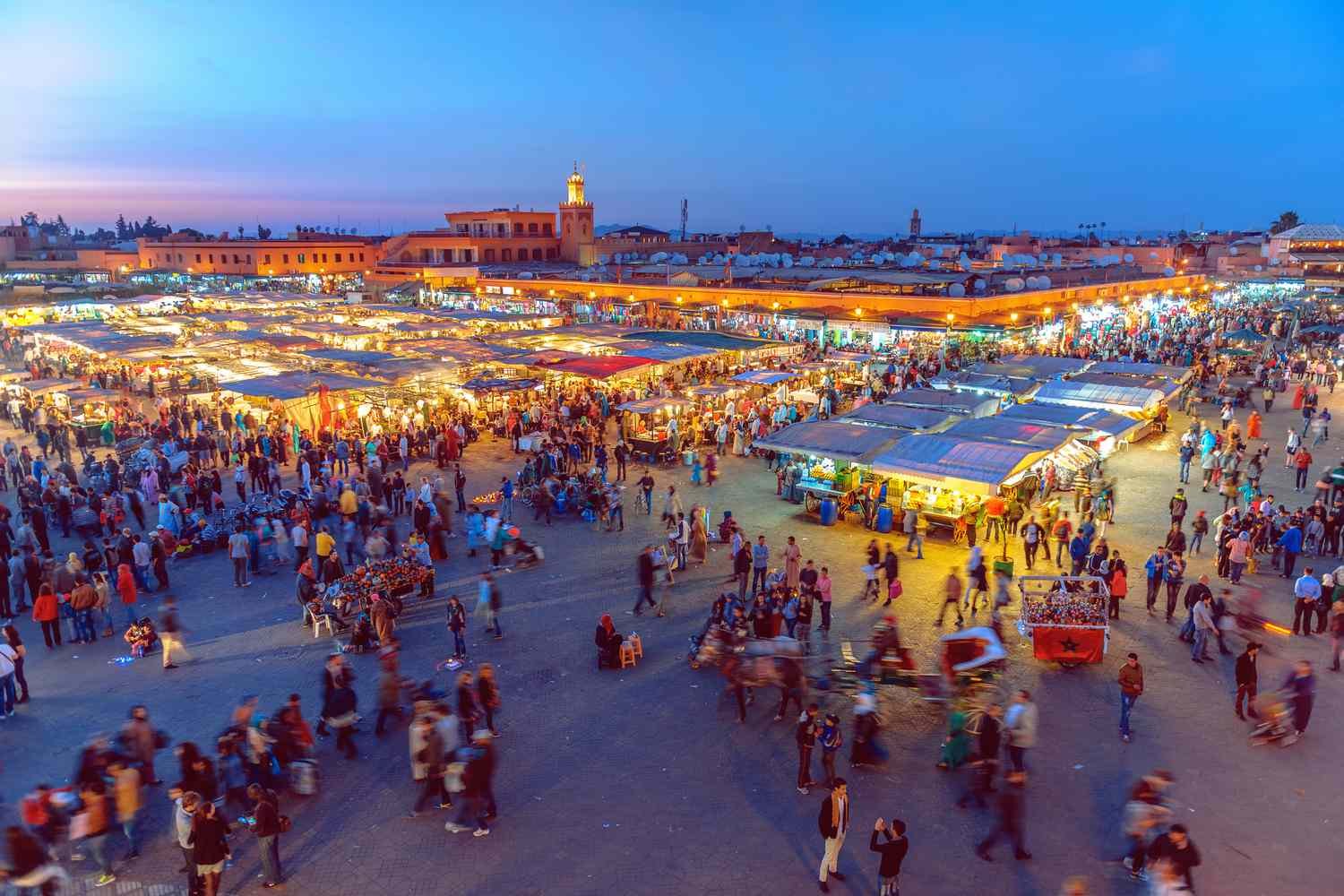
2. Explore a Traditional African Market
Markets offer a different perspective from museums and major tourist attractions.
A walk through a traditional market can introduce visitors to local foods, fabrics, crafts, spices, household products, clothing, and everyday commercial life. Markets also reveal how communities interact, negotiate, trade, and socialize.
Visitors might explore markets such as Accra’s Makola Market, Lagos’s Balogun Market, Marrakech’s souks, or markets in Nairobi and Dakar.
The experience can be especially rewarding when visitors take time to observe rather than simply shop. Ask questions respectfully, learn about local products, and understand that bargaining customs differ from one destination to another.
3. Taste Local African Cuisine
Food is one of the easiest ways to connect with a new culture.
First-time visitors should move beyond international hotel menus and try dishes that are part of everyday local life. Depending on the destination, this might include jollof rice, injera, tagine, bunny chow, waakye, nyama choma, couscous, fufu, or other regional specialties.
Street food can also provide an interesting introduction to local flavors, although visitors should choose vendors carefully and pay attention to food hygiene.
Trying local cuisine is not simply about eating something unfamiliar. Ingredients, preparation methods, cooking traditions, and communal dining practices can reveal important parts of a society’s history and identity.
4. Experience African Music and Dance
Music and dance are deeply connected to many African communities.
A first-time visitor can attend a live cultural performance, music festival, community event, dance class, or contemporary concert. Experiences can range from traditional drumming and dance to Afrobeats, Amapiano, Highlife, Mbalax, and other modern African sounds.
Instead of limiting the experience to a performance designed exclusively for tourists, visitors can also explore reputable local cultural venues and music events where residents participate.
This creates an opportunity to experience Africa not simply as a destination but as a living cultural environment.
5. Visit a Historic City or Heritage Site
Africa’s history extends across thousands of years, and its heritage can be found in ancient settlements, forts, mosques, churches, palaces, archaeological sites, museums, and historic neighborhoods.
Visitors might explore the ancient medinas of North Africa, the historic castles along Ghana’s coast, Ethiopia’s rock-hewn churches, Senegal’s historic island of Gorée, or South Africa’s heritage sites.
These places can help visitors understand the continent’s complex histories, including ancient civilizations, trade networks, colonialism, independence movements, migration, and cultural exchange.
A guided tour can be particularly useful because local guides often provide historical context that may not be obvious from the buildings themselves.
6. Spend Time on an African Beach
Africa has some extraordinary coastlines.
Visitors can relax along the beaches of Zanzibar, explore the Kenyan coast, discover Mozambique’s coastline, experience South Africa’s beaches, or visit coastal destinations in West and North Africa.
Beach travel can also go beyond sunbathing. Depending on the location, visitors may try snorkeling, diving, kayaking, sailing, fishing, or coastal walking.
The best experience often comes from combining beach time with an exploration of the surrounding communities and culture.
7. Take a Guided Nature or Mountain Adventure
Africa’s landscapes extend well beyond savannahs.
The continent contains mountains, forests, deserts, wetlands, waterfalls, volcanic landscapes, and dramatic valleys. Adventure travelers can hike through mountain regions, explore national parks, visit waterfalls, or take guided nature walks.
Mount Kilimanjaro in Tanzania is one of the continent’s most famous mountain destinations, while destinations in Rwanda, Uganda, Morocco, South Africa, Ethiopia, and several other countries offer different levels of hiking and outdoor adventure.
Visitors should choose activities that match their fitness level and travel experience and use qualified guides for challenging routes.
8. Stay in a Locally Owned Accommodation
Accommodation can shape how visitors experience a destination.
Rather than spending an entire trip inside an international hotel, travelers can consider locally owned guesthouses, boutique hotels, eco-lodges, homestays, or community-based tourism accommodations where appropriate.
These options can provide more opportunities to interact with residents and learn about local lifestyles.
They may also allow tourism spending to reach local businesses and communities more directly.
9. Learn a Few Local Words and Phrases
Language can transform a travel experience.
Even when English, French, Arabic, Portuguese, or another widely spoken language is available, learning a few words from the local language can make interactions more meaningful.
Simple greetings, thank-you expressions, numbers, and polite phrases can demonstrate respect and curiosity.
The goal is not to become fluent before arriving. Even a few carefully learned expressions can make everyday interactions more enjoyable.
10. Experience a Local Festival or Cultural Celebration
Festivals provide an opportunity to experience a destination at its most energetic.
Across Africa, visitors can encounter celebrations involving music, dance, food, religious traditions, art, fashion, history, or community identity.
Examples include cultural festivals, film festivals, music events, food celebrations, and traditional ceremonies that are open to visitors.
Travelers should research the meaning and etiquette surrounding an event before attending. Not every cultural or religious ceremony is intended for tourism, and respecting boundaries is essential.
11. Take a Slow Walk Through a Local Neighborhood
Not every memorable travel experience requires an expensive excursion.
Sometimes, simply walking through a safe and appropriate neighborhood with a knowledgeable local guide can reveal details that tourists might otherwise miss.
You might discover a family-owned restaurant, a small art studio, a local bakery, a street filled with craftspeople, or a community space that never appears in a conventional travel itinerary.
The key is to travel responsibly, respect privacy, and avoid treating people’s homes or daily lives as attractions.
12. Support Local Artisans
Africa has rich traditions of weaving, pottery, beadwork, sculpture, painting, leatherwork, jewelry, textiles, and contemporary design.
Purchasing directly from legitimate artisans, cooperatives, galleries, or reputable local businesses can turn a souvenir into a meaningful connection with the destination.
Visitors should also learn about restrictions concerning wildlife products, protected materials, antiques, and cultural artifacts before purchasing souvenirs.
A beautiful souvenir should not come at the expense of cultural heritage or environmental protection.
13. Experience a Modern African City
Africa’s cities deserve just as much attention as its natural landscapes.
Cities such as Lagos, Nairobi, Accra, Johannesburg, Cape Town, Kigali, Casablanca, Cairo, Dakar, and Addis Ababa demonstrate the continent’s rapidly changing urban culture.
Visitors can explore contemporary restaurants, creative districts, fashion studios, technology hubs, galleries, bookstores, music venues, shopping areas, and architectural landmarks.
This is an important reminder that Africa is not defined only by wildlife and traditional culture. Its cities are home to entrepreneurs, artists, designers, filmmakers, technology professionals, chefs, musicians, and young creative communities shaping the future.
14. Take Time to Talk to Local People
Perhaps the most valuable experience for a first-time visitor is also the simplest: having genuine conversations.
Talk to your guide. Ask a restaurant owner about the food. Speak with an artisan about their work. Learn from a local entrepreneur. Ask residents about places they enjoy visiting.
Of course, travelers should respect people’s privacy and avoid intrusive questions. Still, meaningful conversations can challenge assumptions and create a deeper understanding of the destination.
15. Leave Room for the Unexpected
A good African travel experience does not always follow a perfectly organized itinerary.
Leave some space for discovering a new restaurant, attending an unexpected event, visiting a local gallery, taking a scenic route, or extending a conversation with someone you meet along the way.
Planning remains important, especially for transportation, accommodation, health requirements, safety, and entry regulations. However, allowing some flexibility can make a journey feel less like checking destinations off a list and more like experiencing a place.
Travel Africa With Curiosity and Respect
Africa offers an enormous range of travel experiences, and no single trip can capture the entire continent.
A first visit can combine wildlife, food, history, nature, beaches, cities, music, markets, and meaningful interactions with local communities. The most rewarding approach is to travel with curiosity while recognizing that every country and community has its own identity.
Visitors should research their destination carefully, respect local customs, support responsible tourism businesses, and avoid reducing complex cultures to stereotypes.
Ultimately, the goal should not simply be to say that you have visited Africa. It should be to leave with a richer understanding of the people, places, cultures, landscapes, and stories that make the continent so diverse.
Author

A content writer with a focus on marketing psychology, brand communication, and consumer behaviour across African markets.